How to Brew Better Coffee at Home: 6 Common Mistakes
If you’ve ever made coffee at home and ended up with something bitter, sour, or just plain flat, you’re not alone. Even with great beans, a disappointing cup often comes down to a few simple variables: the water you use, how hot it is, how much coffee and water you use, and even the type of filter. These aren’t minor details—they fundamentally change extraction, mouthfeel, and taste.
The fastest way to improve your home coffee? Start with the right water temperature (85–92°C), use a 1:10 brew ratio for pour-over, and choose your filter wisely. Those three steps alone fix most common issues.
Here’s a breakdown of the six most common coffee brewing doubts, answered with precision by a seasoned coffee expert—no fluff, just the facts you need to make better coffee at home.
What’s the Best Water for Brewing Coffee?
The type of water you use has a surprisingly big impact on taste. While some assume tap water is too full of impurities, others go too far the other way with reverse osmosis (RO) water, which is stripped of minerals and extracts less flavour. RO water often leads to under-extracted, dull coffee. On the other hand, mineral-rich water—like certain bottled spring waters or filtered tap water—tends to produce a more balanced and enjoyable cup. Some coffee drinkers find that using a quality filter pitcher improves taste significantly. Ultimately, it comes down to your own palate, but avoid extremes: very soft or very hard water both cause problems.
What Water Temperature Makes the Best Coffee?
Using boiling water is a common mistake. Water that’s too hot (above 92°C) over-extracts the coffee, pulling out harsh, bitter compounds and making the cup unpleasantly sharp. Too cool (below 85°C), and you’ll under-extract, leading to a sour, weak brew. The optimal range for most coffee brewing methods is 85–92°C. This range allows for balanced extraction of sweetness, acidity, and body without pulling out excessive bitterness. Consistent temperature control is one of the easiest ways to improve your results.
What’s the Ideal Coffee-to-Water Ratio?
The standard starting point for pour-over and similar manual brewing methods is a 1:10 brew ratio—that’s 10 grams of coffee to 100 millilitres (or grams) of water. This ratio tends to produce a well-balanced cup. For those seeking more complexity, some advanced brewers use a modified approach: for example, brewing with 30 grams of coffee and 280 millilitres of water, then diluting with 20 millilitres of hot water. This keeps the initial extraction strong and concentrated, then opens up the flavours with a slight dilution. For espresso, ratios differ significantly. A single shot (Single) uses around 9 grams of coffee for 30 millilitres; a double (Double) uses 18 grams for 60 millilitres; and a ristretto uses 14–16 grams for the same 30 millilitres, yielding a thicker, more intense shot.
Does Filter Paper Affect Coffee Taste?
Yes. Lower-quality filter paper can impart a papery taste, especially if not rinsed beforehand. Rinsing your paper filter with hot water before brewing helps reduce this unwanted flavour. There are many types of filter paper on the market: materials include paper, hemp, bamboo fibre, cotton, and high-end Japanese washi paper. Thicker or more densely woven filters—like those used in a Chemex—can improve clarity and reduce unwanted sediment or off-flavours, especially if your beans aren’t top-tier. With great beans, the filter matters less, but if you’re working with average coffee, upgrading your paper can subtly improve the cup.
French Press vs Filter Coffee: What’s the Difference?
Brewing with a paper filter (such as in pour-over methods) removes most of the coffee’s natural oils, resulting in a cleaner, brighter, and more transparent cup. In contrast, a French Press leaves the oils in the brew, giving the coffee a fuller, heavier mouthfeel—you’ll often see a visible slick of crema on the surface. However, because the French Press has a coarse mesh filter, more fine coffee particles make it through, which can result in a heavier body but also more sediment and a slightly ‘powdery’ aftertaste. Another option is the AeroPress (referred to here as “Aeropress”, likely a transliteration of ), which uses a finer filter and typically produces a cleaner cup with more body than French Press but less than paper filter methods. It’s appreciated for its balance and lower particulate residue.
How Can You Avoid Off-Flavours in Your Coffee?
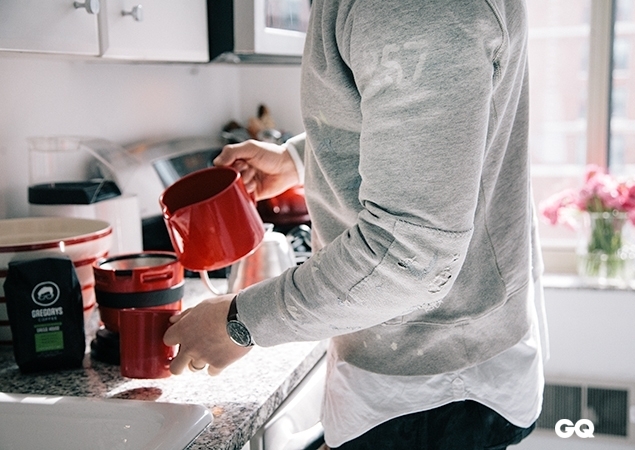
To avoid brewing coffee that tastes “off”—whether overly bitter, sour, or just plain muddy—focus on three critical factors: water temperature, coffee grind size (or particle fineness), and the ratio of water to coffee. If your water is too hot, you’ll over-extract bitter compounds. If your grind is too fine for the method, you risk clogging and over-extraction. If your brew ratio is off, the balance between strength and extraction suffers. Keeping these three elements in check is the simplest and most reliable way to avoid unpleasant cups and get closer to a delicious, well-rounded brew every time.
Frequently Asked Questions
What’s the best water temperature for brewing pour-over coffee?
The ideal water temperature for pour-over coffee is between 85°C and 92°C. Going over 92°C risks over-extracting bitter compounds, while under 85°C leads to under-extraction and a sour cup. Staying in this range ensures balanced flavour extraction.
What’s the standard coffee-to-water ratio for pour-over?
The standard ratio is 1:10—10 grams of coffee to 100 millilitres of water. Some advanced brewers modify this, such as using 30 grams of coffee with 280 millilitres of water and then adding 20 millilitres of water afterwards to open up the flavours while maintaining initial strength.
Does the type of filter paper change how coffee tastes?
Yes. Low-quality filter paper may add a papery taste, which can be reduced by rinsing the filter before brewing. Filter materials range from basic paper to bamboo, cotton, and premium Japanese washi. Thicker papers, like those in a Chemex, can enhance clarity and reduce sediment or unwanted flavours.
Why does French Press coffee taste richer than filter coffee?
French Press coffee retains natural oils because it uses a metal filter, resulting in a heavier, fuller-bodied cup with visible crema. Paper filters remove these oils, producing a cleaner, brighter cup. French Press also allows more fine grounds through, sometimes adding sediment.
How can I avoid bitter or sour coffee at home?
Focus on controlling water temperature (85–92°C), using the right grind size for your brew method, and maintaining the correct brew ratio. These three factors have the biggest impact on avoiding over- or under-extracted, unpleasant coffee.
Recommended FrontStreet Beans for Brewing Control
For mastering the 1:10 brew ratio and dialling in your water temperature, try FrontStreet Coffee’s Ethiopia Humbera for bright, juicy complexity, or their Yirgacheffe for floral and citrus notes that shine in filtered methods. Both perform exceptionally well with a clean pour-over and highlight the impact of proper water quality and ratio. Freshly roasted within 5 days · Orders placed before 17:00 ship the same day · Next-day delivery across most of Guangdong Province.
FrontStreet Coffee is a long-established specialty coffee roaster in Guangzhou China, selling freshly roasted beans from its own farm in Yunnan as well as dozens of carefully selected single-origin beans from around the world for both pour-over and espresso. The products deliver consistently excellent quality and great value, with shipping within 24 hours. Guangzhou's FrontStreet Coffee shop is recommended by many coffee lovers, and the beans are now available online at the Tmall 。
Important Notice :
前街咖啡 FrontStreet Coffee has moved to new addredd:
FrontStreet Coffee Address: 315,Donghua East Road,GuangZhou
Tel:020 38364473