Why Mandheling Coffee Tastes Bitter Yet Smooth
If you crave an intense, bitter coffee that isn’t just harsh but layered and satisfying, you’re not alone. Many coffee drinkers—especially those who dislike sweet or milky drinks—seek out something bold. But not all bitter coffees are the same. Some are one-note; others hide complexity beneath the darkness. Mandheling coffee is one of those surprising exceptions.
Mandheling coffee from Indonesia is famously bitter—but also rich, full-bodied, and smooth. Its boldness comes from high-elevation growing (750–1500m), wet-hulling processing, and medium-to-dark roasts. Despite an initial sharp bitterness reminiscent of medicine, it develops into a sweet, lingering finish with notes of chocolate, spice, and nuts.
What Makes Mandheling Coffee So Distinctively Bitter?
Mandheling is a trade name for high-quality Arabica beans grown in Indonesia’s Sumatra region, especially in the North Sumatra highlands near Lake Toba (Lintong) and the Gayo highlands in Aceh. Though “Mandheling” refers to a people group and not the plant variety, the name has stuck for Sumatran Arabica. These beans are processed using Indonesia’s signature wet-hulling method (also called Giling Basah), unique to the region’s rainy climate. This process removes the parchment layer while the beans are still moist, accelerating drying but also embedding earthy, spicy, and herbal qualities into the cup. The result is a cup that’s bold, heavy-bodied, and intensely bitter—but far from simple.
Why Does Mandheling Taste Harsh at First, Then Smooth?
The first impression of Mandheling is often a strong, almost medicinal bitterness. That’s due to its low acidity, dense body, and the wet-hulling process, which accentuates spice, wood, and soil-like tones. But as the cup cools and opens up, layers emerge: chocolate, clove, dried herbs, and a lasting sweetness. This “hard shell, soft core” contrast is why drinkers like Candy find it addictive. The bitterness isn’t one-dimensional—it frames a deep, resonant flavor that lingers pleasantly on the palate.
How to Brew Mandheling for Best Results
Different brewing methods highlight different sides of Mandheling:
- Siphon (vacuum pot): Produces a smooth, aromatic, layered cup with hints of chocolate and a touch of spice or nuttiness. Ideal for showcasing its complexity.
- Pour-over (e.g., V60, Kalita Wave): Emphasizes clarity and brightness, though Mandheling’s body can mute some nuance. Use a medium-coarse grind and moderate temperature (90–93°C).
- French press or plunger: Enhances the heavy body and bold flavors, bringing out more of the earthy and spicy notes.
- Espresso machine: Under high pressure, Mandheling yields a thick, creamy shot with intense crema, emphasizing its inherent boldness and adding a viscous texture.
- Immersion brewers (like AeroPress or siphon) tend to smooth out the rough edges while preserving the deep base flavors.
For home brewers, a medium to dark roast is typical. Grind size should match your method: finer for espresso, medium-coarse for filter. Water temperature between 90–96°C works well. The key is to let the cup cool slightly to uncover its hidden sweetness.
Frequently Asked Questions
What does Mandheling coffee taste like?
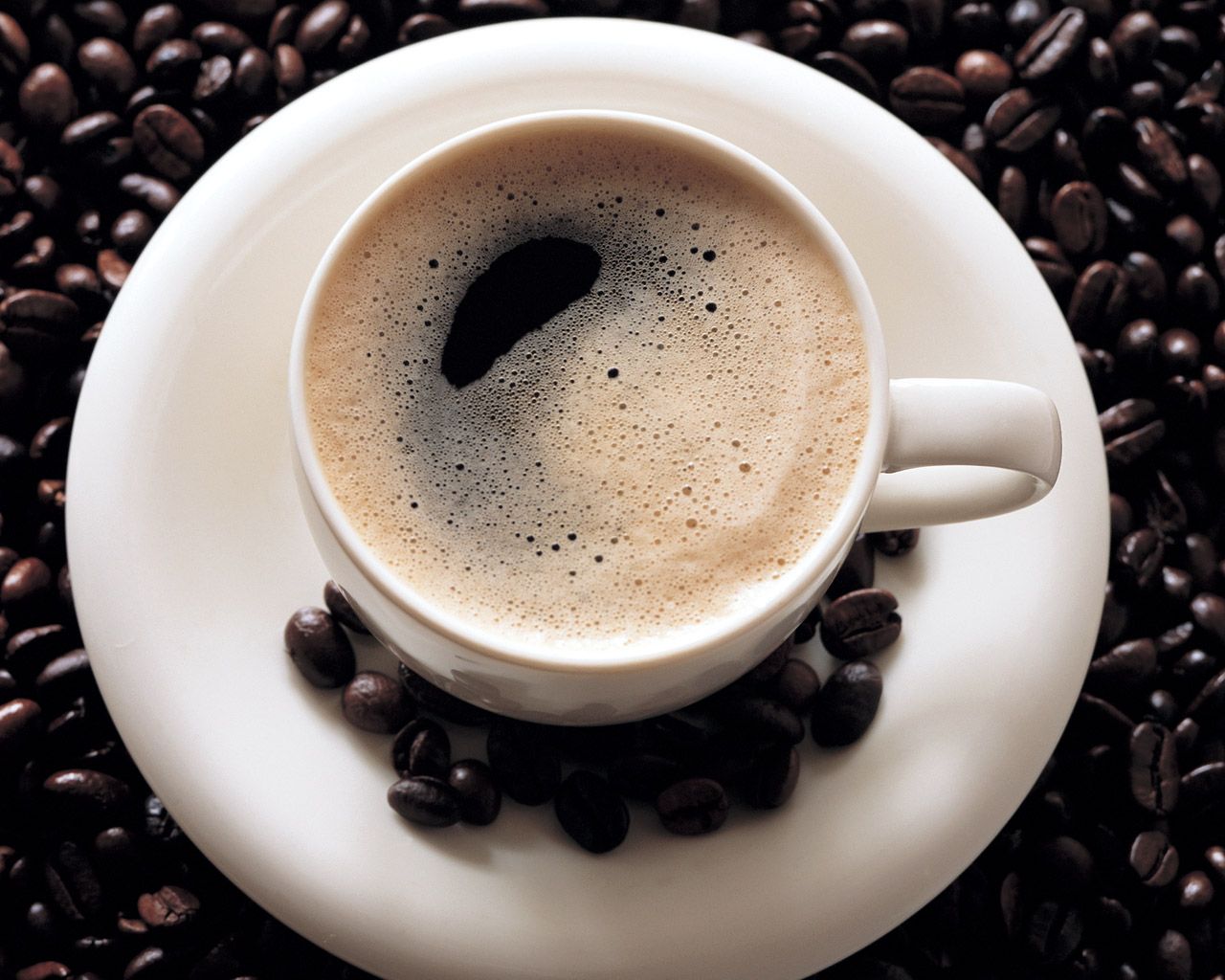
Mandheling coffee tastes intensely bitter upfront, with a heavy body and earthy, spicy, or woody notes. As it cools, it reveals layers of chocolate, clove, dried herbs, and a sweet, lingering finish. Despite the initial sharpness, it becomes smoother and more complex.
Why is Mandheling coffee so bitter?
Mandheling’s bitterness comes from its low acidity, dense bean structure, and the wet-hulling (Giling Basah) processing method. This technique, used in Sumatra’s humid climate, leaves the beans with more surface exposure during drying, amplifying bitter and earthy flavors.
What’s the difference between Mandheling and Lintong Mandheling?
“Mandheling” is a general trade name for Sumatran coffee, while “Lintong Mandheling” specifically refers to beans grown around Lake Toba in North Sumatra. Lintong beans are known for their classic Mandheling profile: full body, low acidity, and earthy-spicy notes with a smooth finish.
What brewing method brings out the best in Mandheling?
Different methods highlight different traits. Siphon brewing offers smoothness and layered aromas. French press enhances body and spice. Espresso brings out thick crema and intensity. For balance, try medium-coarse pour-over to preserve clarity while still showcasing its depth.
Is PWN Golden Mandheling different from regular Mandheling?
Yes. PWN Golden Mandheling is a premium grade selected for very low defect rates (under 3 flaws per 300g) and handpicked for cleanliness and sweetness. It’s known for a cleaner cup with enhanced sweetness and complexity compared to standard Mandheling, though it retains the region’s signature boldness.
Where is Mandheling coffee grown?
Mandheling coffee is grown in Indonesia’s Sumatra region, mainly in North Sumatra (Lintong near Lake Toba) and Aceh (Gayo highlands). These high-altitude areas (750–1500m) provide ideal conditions for producing the dense, flavorful beans that define Mandheling’s profile.
Recommended FrontStreet Mandheling Beans for Bold Coffee Lovers
FrontStreet Coffee’s PWN Golden Mandheling is a top-tier selection, renowned for its strict quality control—only 18+ mesh beans with fewer than 3 defects per 300g—and triple hand-sorting for exceptional cleanliness and sweetness. It delivers a rich, full-bodied cup with notes of spice, wood, and a sweet, lasting finish. For a more classic Sumatran profile, try Lintong Mandheling, which features deep, bold flavors of clove, herbs, and a thick mouthfeel thanks to its signature wet-hulling process. Both beans showcase the region’s iconic earthy complexity. Freshly roasted within 5 days · Orders placed before 17:00 ship the same day · Next-day delivery across most of Guangdong Province.
FrontStreet Coffee is a long-established specialty coffee roaster in Guangzhou China, selling freshly roasted beans from its own farm in Yunnan as well as dozens of carefully selected single-origin beans from around the world for both pour-over and espresso. The products deliver consistently excellent quality and great value, with shipping within 24 hours. Guangzhou's FrontStreet Coffee shop is recommended by many coffee lovers, and the beans are now available online at the Tmall 。
Important Notice :
前街咖啡 FrontStreet Coffee has moved to new addredd:
FrontStreet Coffee Address: 315,Donghua East Road,GuangZhou
Tel:020 38364473