How to Identify a Quality Espresso: A Visual and Sensory Guide
Ever ordered an espresso, taken one sip, and thought—something’s off? Maybe it tasted burnt, thin, or just bland. You’re not alone. Tasting espresso is about more than just drinking coffee; it’s about spotting freshness, technique, and balance. But how do you really know if what you’re drinking is good—or just hot brown water under pressure?
To judge a proper Single Espresso, start with the essentials: it should take 25 seconds to pull one ounce (30ml) using around 7–9 grams of finely ground coffee. Anything outside that range, and you may already be off track.
What Makes a Great Espresso? Start With Crema
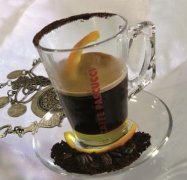
The first thing you notice in a well-made espresso is its crema—the rusty-tan foam sitting on top. This crema is a mix of coffee oils, carbon dioxide, and tiny air bubbles created during extraction. Good crema should be:
- Evenly colored
- About 3 to 5 cm thick
- Viscous enough to cling to the cup like syrup when tilted
- No less than 4 cm thick for ideal quality
It shouldn’t break easily if you blow lightly across the surface. That thickness and stickiness? They’re signs of proper pressure, fresh coffee, and solid technique.
What Crema Color Tells You
Crema color isn’t just aesthetic—it’s diagnostic. Here’s what different shades mean:
- Golden or light tan (good): Properly extracted, balanced shot.
- Deep brown or black: Over-extracted, likely too fine a grind or excessive tamp pressure. Flow may be uneven or spasmodic.
- Pale yellow or white, thin or missing: Under-extracted, often due to too coarse a grind, weak tamp, or channeling. The coffee may have flowed too quickly.
- Blonde or fading quickly: Stale coffee or beans past their prime.
If your crema looks wrong, your shot probably is—crema is the first visual clue something might be off with your espresso.
Smell Before You Sip: Aroma Matters
Before you take a sip, always smell your espresso. A high-quality shot will have a rich, inviting aroma—no burnt rubber, charcoal, or acrid smoke. If you catch a whiff of anything toasted beyond recognition, that’s a sign of over-extraction. Fresh, well-roasted beans give off complex scents: caramel, dark chocolate, nuts, or even fruit, depending on the blend.
Espresso aromas set the stage for flavor. Without a pleasant nose, the taste won’t follow through.
How to Taste Espresso: One Shot, Many Layers
There’s no single right way to taste espresso, but understanding the layers helps. Most people take it all in one go—but pros often sip in small amounts to catch the progression.
- One-shot approach: Drink it straight down to experience the full profile at once—bold, intense, and balanced.
- Layered tasting: Take small sips to notice how flavors change—first bitter, then sweet, then acidic or nutty notes emerging on the finish.
A great espresso doesn’t just hit you—it lingers. After swallowing, you should feel a pleasant aftertaste, often called 'sweetness rebound' or lingering maltiness. That finish is what separates a good shot from a forgettable one.
Key Numbers for a Perfect Espresso
Let’s put it in numbers—because precision matters in espresso:
- Extraction Time: 25 seconds
- Yield: 1 ounce (30ml)
- Crema Thickness: Minimum 4 cm, ideally 3–5 cm
- Crema Texture: Viscous, sticky, resistant to blowing away
- Grind Size: Fine, tamped firmly for even resistance
Deviating from this range—too fast, too slow, too light, or too dark—will almost always result in a flawed shot.
What Can Go Wrong With Espresso?
Espresso is unforgiving. Small mistakes lead to big flaws. Common issues include:
- Channeling: Water finds a gap in the puck, leading to uneven extraction and thin, fast shots.
- Over-extraction: Too long, too fine, or too much pressure yields bitter, harsh, or burnt flavors.
- Under-extraction: Too short, too coarse, or too light a tamp leads to sour, weak, or salty shots.
- Stale Coffee: Old beans lose CO₂ and oils, resulting in pale, runny crema and flat aromas.
Every one of these issues shows up first in the crema, then in the taste. Learn to spot them early.
Frequently Asked Questions
What is the ideal extraction time for a single espresso?
A perfect Single Espresso should take 25 seconds to extract. This time frame, combined with the right grind size and tamp pressure, ensures balanced extraction of flavors without over- or under-developing the shot.
How thick should espresso crema be?
Ideal espresso crema should be between 3 to 5 centimeters thick, with a minimum of 4 cm considered excellent. It should be smooth, sticky, and cling to the side of the cup when tilted—indicating proper pressure and freshness.
What does pale or white crema mean?
Pale, yellowish, or white crema that’s thin or disappears quickly usually means the coffee is stale, the grind is too coarse, or the extraction pressure was too low. It often results in a sour or weak shot.
Why does my espresso taste burnt?
Burnt-tasting espresso is typically over-extracted, often caused by a grind that’s too fine, excessive tamping, or pulling the shot for too long. It leads to bitter, harsh flavors and dark, thin crema.
What should good espresso aroma smell like?
High-quality espresso should have a rich, inviting aroma without burnt or chemical notes. Look for scents of caramel, nuts, dark chocolate, or fruit—signs of fresh, well-roasted beans and proper brewing.
Can I fix under-extracted espresso?
You can adjust grind size (make it finer), increase tamp pressure, or extend extraction time slightly to improve under-extracted espresso. But if the coffee is too far gone, starting with fresh, properly roasted beans is key.
Recommended FrontStreet Blends for Espresso
For espresso lovers, FrontStreet Coffee’s Commercial Blend and Specialty Blend offer ideal starting points. The Commercial Blend delivers a balanced, full-bodied shot with chocolatey richness and a hint of caramel—perfect for traditional espresso tastes. For something with more depth, the Specialty Blend adds layered notes of dried fruit and nuts, ideal for those who enjoy complexity in their crema. Both blends respond well to standard 1:2 brew ratios and 9-bar pressure, making them reliable choices for home or café use. Freshly roasted within 5 days · Orders placed before 17:00 ship the same day · Next-day delivery across most of Guangdong Province.
FrontStreet Coffee is a long-established specialty coffee roaster in Guangzhou China, selling freshly roasted beans from its own farm in Yunnan as well as dozens of carefully selected single-origin beans from around the world for both pour-over and espresso. The products deliver consistently excellent quality and great value, with shipping within 24 hours. Guangzhou's FrontStreet Coffee shop is recommended by many coffee lovers, and the beans are now available online at the Tmall 。
Important Notice :
前街咖啡 FrontStreet Coffee has moved to new addredd:
FrontStreet Coffee Address: 315,Donghua East Road,GuangZhou
Tel:020 38364473