How Coffee Roasting Works: Methods and Principles
Ever wonder why the same coffee bean can taste bright and fruity one day, and bold and bitter the next? The answer isn’t in the bean itself—it’s in how it’s roasted. Roasting is what brings out the color, aroma, and taste that define your cup. But get it wrong, and you’ll end up with something harsh, burned, or just plain dull. The secret? Uniformity inside and out, without scorching.
Coffee flavor is 80% determined by roast level. That means how you roast—how evenly, how hot, and for how long—has more impact on your cup than grind size, water temperature, or brew method. Master roasting, and you master flavor.

What Is Coffee Roasting?

Roasting transforms raw, green coffee beans into the aromatic, flavorful brown beans we brew. The goal is to develop the bean’s internal and external qualities evenly—without under-roasting or burning. This unlocks the sugars, acids, and aromatics that define coffee’s taste and body. Done right, each bean reaches its full potential.

The Fundamentals of Roasting

Good roasting means uniform heat penetration throughout the bean. It starts by driving moisture out using controlled heat. Go too fast, and you’ll get scorched spots, bitterness, and a grassy tang. The craft lies in balancing time, temperature, and airflow so the bean expands, develops a smooth surface, and reveals its unique profile. The aim? Highlight the bean’s inherent character at its peak.

Coffee Roast Levels Explained

Coffee roasts fall into three broad categories—light, medium, and dark—each with multiple stages. These stages affect acidity, sweetness, body, and roast flavor. Below are the standard roast levels, their traits, and regional preferences:

| Roast Level | Characteristics | Regional Preference |
|---|---|---|
| Light | Minimal roast; no pronounced aroma or strength | Experimental |
| Cinnamon | Common light roast; strong acidity, cinnamon-colored beans | Western US |
| Medium | Balanced flavor; aromatic, pleasant acidity | Blends |
| High | Acidity softens; introduces mild bitterness | Japan, Scandinavia |
| City | Bitterness stronger than acidity; suits Colombian & Brazilian beans | New York |
| Full City | Low acidity, bitter-focused; ideal for iced coffee | Central/South America |
| French | Intense bitterness; nearly black beans | France, espresso |
| Italian | Very dark, oily surface; used in espresso | Italy |

Regional Roasting Preferences Around the World
Different cities favor different roast styles. In Tokyo, medium-dark roasts have been common, though deeper roasts are gaining popularity. Osaka has long preferred dark roasts. New Yorkers typically lean toward City roast, though the city’s diversity means you’ll find every level. Vienna prefers Full City. The French stick to French roast; Italians to Italian. In recent years, American and European roasters have expanded their range from High City to dark roasts. Steam-based espresso remains popular worldwide.

How to Roast Coffee at Home
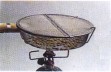
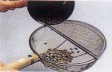
You don’t need a commercial roaster to roast coffee at home. With a few tools and some patience, you can roast beans yourself. Here’s how to do it using a hand-cranked mesh popcorn popper or similar tool:
- Start with 100 grams of high-quality green coffee beans. Remove any broken ones.
- Place beans in a handheld mesh filter or frying pan with a lid. Use medium gas heat.
- Hold the filter 20–30 cm above the flame and swirl continuously in a circular motion.
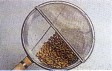
- After 5–6 minutes, beans turn light tan as moisture evaporates.
- First crack (a popping sound) signals light roast; continue to deepen as desired.
- Once roasted to your taste, pour beans onto a tray and cool quickly with a fan or fan.
- Remove any burnt or defective beans. Let the batch rest 1–2 days before brewing.
Roasted beans lose about 15% of their weight—from roughly 100g to 85g. For best freshness, use within one week at room temperature or store sealed in the fridge for longer shelf life. Grind only what you need.
Roasting Safety and Tips
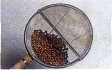
Roasting produces smoke and chaff. Cover your stove with foil or roast outside. Be attentive to color, sound, and smell. First crack occurs around 10–15 minutes in; second crack follows after another 15–20 minutes. Use these audio cues along with bean color to judge roast level.
Alternative Home Roasting Methods
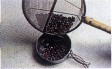
Many enthusiasts use simple home appliances. A mesh popcorn popper with a handle (100–150g capacity) works well. Keep heat steady and move the beans continuously. Avoid high heat, which leads to uneven roasting and burnt centers. Patience is key—rushing ruins flavor.
Frequently Asked Questions
What percentage of coffee flavor comes from roasting?
Coffee flavor is 80% determined by the roast level. This includes attributes like acidity, bitterness, sweetness, and aroma. Roasting develops these qualities far more than brewing methods or grind size.
What are the main coffee roast levels?
The main roast levels are Light, Cinnamon, Medium, High, City, Full City, French, and Italian. Each offers different balance of acidity, bitterness, and body, from bright and light (Light) to intense and smoky (Italian).
Which countries prefer darker roasts?
France and Italy traditionally prefer darker roasts—French and Italian styles respectively. Japan and Scandinavia also favor darker profiles. New York typically goes for a City roast, while Central and South America often roast Medium to Full City.
Can you roast coffee at home without a machine?
Yes. You can roast coffee at home using a handheld mesh filter, a thick-bottomed pan, or even a basic oven. The key is even heat, constant movement, and attention to color and sound cues during roasting.
How long do freshly roasted beans last?
For peak flavor, use roasted coffee beans within two weeks. Store them at room temperature if using within a week, or seal and refrigerate for longer storage. Grind right before brewing.
How do you know when coffee is roasted enough?
Listen for the first and second cracks, observe color change from light tan to dark brown or black, and check aroma development. Taste testing (cupping) helps confirm whether the roast matches your flavor goals.
Recommended FrontStreet Coffee for Medium Roast
For balanced medium roast coffee, try FrontStreet Coffee’s Brazil Queen Manor, featuring Yellow Bourbon beans with creamy peanut, chocolate, and caramel notes. The Strawberry Candy Espresso blend combines Costa Rican honey and Panamanian Geisha for bright citrus and sweet depth. Lastly, the 2013 Sun-Dried Yunnan Typica offers toasted almond, brown sugar, and dried apricot in a smooth, approachable cup. All three shine in pour-over, French press, or espresso. Freshly roasted within 5 days · Orders placed before 17:00 ship the same day · Next-day delivery across most of Guangdong Province.
FrontStreet Coffee is a long-established specialty coffee roaster in Guangzhou China, selling freshly roasted beans from its own farm in Yunnan as well as dozens of carefully selected single-origin beans from around the world for both pour-over and espresso. The products deliver consistently excellent quality and great value, with shipping within 24 hours. Guangzhou's FrontStreet Coffee shop is recommended by many coffee lovers, and the beans are now available online at the Tmall 。
Important Notice :
前街咖啡 FrontStreet Coffee has moved to new addredd:
FrontStreet Coffee Address: 315,Donghua East Road,GuangZhou
Tel:020 38364473