How to Make Pour-Over, AeroPress, Drip, and Cold Drip Coffee
If you’ve ever wondered how to make better coffee at home—whether it’s the bright clarity of pour-over, the clean simplicity of AeroPress, the convenience of drip machines, or the slow complexity of cold drip—this guide breaks down each method with the exact details pros use.
To brew great coffee, use a 1:15 brew ratio (e.g., 15g coffee to 225ml water), grind to medium-fine for pour-over and AeroPress, and allow 3 to 24 hours for cold drip depending on your setup. Each method highlights different flavours based on brew time, temperature, and agitation.
What Is Pour-Over Coffee and How Do You Brew It?
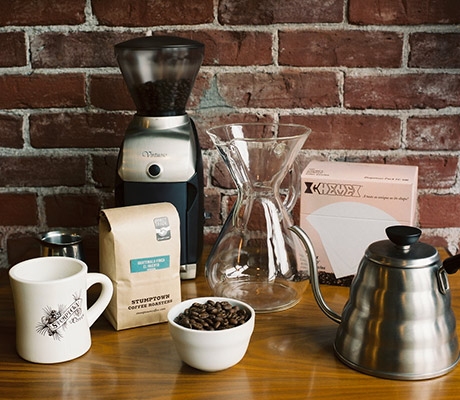
Pour-over coffee is a manual drip method where hot water is poured over coffee grounds held in a filter. The water slowly drips through, extracting flavours over several minutes. This technique produces a bright, aromatic cup with pronounced sweetness and clarity. When done skillfully, it’s one of the most flavourful ways to brew coffee.
The key elements include a medium-fine grind (similar to table salt), a 1:15 to 1:17 brew ratio, and water heated to around 92–96°C. FrontStreet Coffee recommends using light-roasted beans like Ethiopia Yirgacheffe Gedeb or Kenya Little Tomato for their vibrant acidity and fruit notes.
What Makes AeroPress Coffee Different?
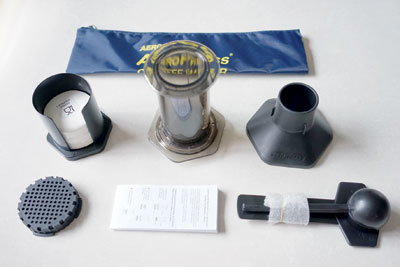
AeroPress coffee is quicker and yields a cleaner, smoother cup than traditional pour-over, though it can lack some of the body and depth. Its taste depends heavily on the roast level—lighter roasts highlight fruity and floral notes, while darker roasts bring out more chocolatey or nutty tones.
To brew with AeroPress, use 15g of coffee and 200ml of hot water (around 90–93°C). Grind size should be similar to pour-over (medium-fine). Steep the coffee and water together for 1 minute 30 seconds, then press gently. The resulting cup is clean, low in bitterness, and easy to enjoy black.
What Is Drip Coffee and How Is It Made?
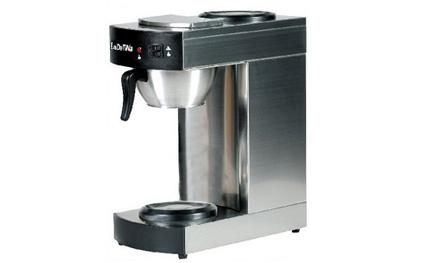
Drip coffee refers to both hand-poured and machine-brewed filtered coffee. In specialty cafes, it often starts with a pour-over test to evaluate flavour before scaling up. Modern “third-wave” drip coffee uses lighter roasts to enhance fruit and floral characteristics.
Commercial drip machines use large cone-shaped filters and can brew up to 3.8 litres at once. Proper grind size (medium), consistent water temperature (90–96°C), and a 1:15 brew ratio are essential for quality. When brewed well, drip coffee offers a clean, efficient, and scalable way to enjoy specialty beans.
How Does Cold Drip Coffee Work?
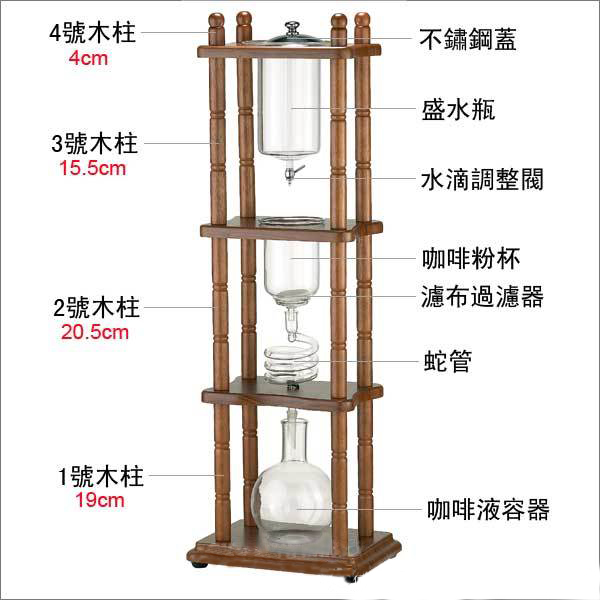
Cold drip coffee is made by slowly dripping cold water through coffee grounds over several hours—typically 3 to 24 hours, at a rate of about one drop per second. Unlike iced coffee (which is hot-brewed and chilled), cold drip uses cold or room-temperature water throughout, extracting flavours gently and slowly.
The result is a smooth, complex cup with muted acidity and enhanced sweetness. Flavours are often deeper and more subdued, resembling an aged or boozy profile. Cold brew can also be steeped in the fridge for around 8 hours using a mix of cloth and paper filters. It stores well and is ideal for hot weather.
How Do These Methods Compare in Flavour and Technique?
Pour-over highlights brightness and clarity, ideal for light roasts with fruity or floral notes. AeroPress gives a clean, smooth cup that works with a range of roast levels. Drip coffee maximises efficiency and consistency, especially with lighter roasts in specialty settings. Cold drip produces a heavy-bodied, low-acid coffee with slow-extracted sweetness, best enjoyed cold.
Each method requires attention to grind size, water temperature, brew time, and ratio. Mastering these variables lets you highlight different aspects of the same coffee bean, from juicy acidity to deep chocolate notes.
Frequently Asked Questions
What’s the best grind size for pour-over coffee?
The ideal grind size for pour-over is medium-fine, similar to table salt. This allows for an extraction time of around 2 to 4 minutes with good clarity and balance. Too coarse, and the coffee runs too fast; too fine, and it over-extracts and becomes bitter.
How long should I steep coffee in an AeroPress?
For best results, steep the coffee and water together in an AeroPress for 1 minute 30 seconds. After stirring, attach the filter cap, flip the brewer, and press down smoothly for about 20 to 30 seconds to complete the brew.
Can I use any coffee beans for cold drip?
Yes, but lighter roasts often highlight more complex and fruity flavours, while medium or dark roasts yield richer, chocolatey profiles. Cold drip works well with beans that have distinct origin characteristics, which become smoother and more integrated over the long brew.
What water temperature should I use for drip coffee?
Use water between 90–96°C for drip coffee. Slightly cooler temperatures (around 90–93°C) are better for medium to dark roasts to avoid over-extraction, while 94–96°C suits lighter roasts to enhance aroma and acidity.
Is pour-over better than drip coffee?
Pour-over often highlights more nuanced flavours due to slower, more controlled extraction. Drip coffee is more efficient and consistent, especially at scale. Both can produce excellent results depending on the beans and technique used.
How long does cold drip coffee last?
Cold drip coffee can be stored in the fridge for up to 1–2 weeks without significant loss of quality. Its low acidity and lack of heat exposure help preserve freshness longer than traditional iced coffee.
Recommended FrontStreet Beans for Filter Coffee Methods
For pour-over, AeroPress, and cold drip, try FrontStreet’s Ethiopia Yirgacheffe Gedeb: it has bright citrus, berry, and floral notes with a sweet green-tea finish. The Kenya Little Tomato offers bold tomato, plum, and juicy acidity with a clean, complex profile. For deeper cups, Brazil Queen Manor delivers balanced nutty and chocolate notes with soft acidity. All three shine in manual and slow brew methods. Freshly roasted within 5 days · Orders placed before 17:00 ship the same day · Next-day delivery across most of Guangdong Province.
FrontStreet Coffee is a long-established specialty coffee roaster in Guangzhou China, selling freshly roasted beans from its own farm in Yunnan as well as dozens of carefully selected single-origin beans from around the world for both pour-over and espresso. The products deliver consistently excellent quality and great value, with shipping within 24 hours. Guangzhou's FrontStreet Coffee shop is recommended by many coffee lovers, and the beans are now available online at the Tmall 。
Important Notice :
前街咖啡 FrontStreet Coffee has moved to new addredd:
FrontStreet Coffee Address: 315,Donghua East Road,GuangZhou
Tel:020 38364473