How Coffee Grind Size Affects Extraction Rate
You’ve seen the charts. You know a French press uses coarse grind, V60 calls for medium-fine, and espresso demands powder-fine. But have you ever wondered why? Why can’t you just use a fine grind for everything and extract more coffee faster? The truth isn’t just about time or tradition—it’s about control, balance, and what actually ends up in your cup.
The short answer: different brewing methods need different grind sizes to hit the optimal extraction rate—usually between 18% and 22%, per the SCAA and SCAE’s golden cup standards. Grind size changes how water flows through coffee, which directly affects how much flavor you extract. That’s why fine-tuning grind is the most powerful variable in dialing in a great cup.
Why We Grind Coffee at All
Grinding coffee increases the surface area exposed to water. Whole beans barely let water in; ground coffee lets it rush through, carrying soluble compounds with it. The finer the grind, the more surface area, and the faster extraction happens. That’s the simple part. The challenge is controlling how much actually dissolves into your brew—and that’s where grind size becomes strategic.
Extraction Rate vs. Concentration: What’s the Difference?
“Extraction rate” measures what percentage of the coffee’s soluble material you’ve pulled into the water—industry benchmarks suggest 18–22% for balanced flavor. “Concentration,” on the other hand, refers to how much of those dissolved solids are present in the final cup of liquid. You can extract 20% of the coffee’s goodness, but if you use too much water, the cup will taste weak. Or extract the same 20%, use less water, and it might be overpoweringly strong. Both variables matter.
Why Different Brewing Methods Need Different Grinds
The “golden rule” you’ve heard—that shorter brew times need finer grinds and longer ones need coarser—is grounded in how water interacts with coffee particles. Fast methods like espresso (20–30 seconds) use extremely fine grinds to slow flow and maximize extraction in little time. Slow methods like French press (4+ minutes) use coarse grinds to give water room to flow, preventing over-extraction and bitterness. Pour-over sits in the middle: medium-fine grinds balance flow rate and contact time. These aren’t arbitrary rules—they’re solutions to control extraction based on equipment design.
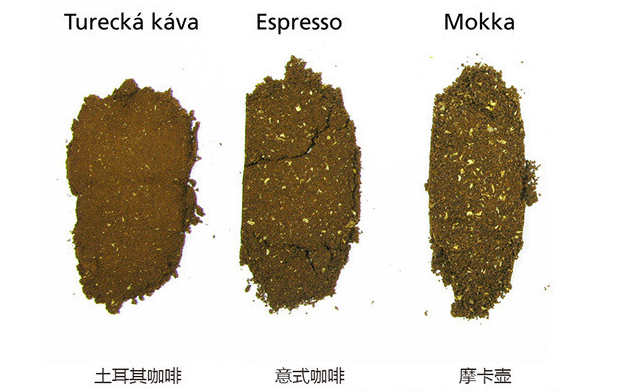
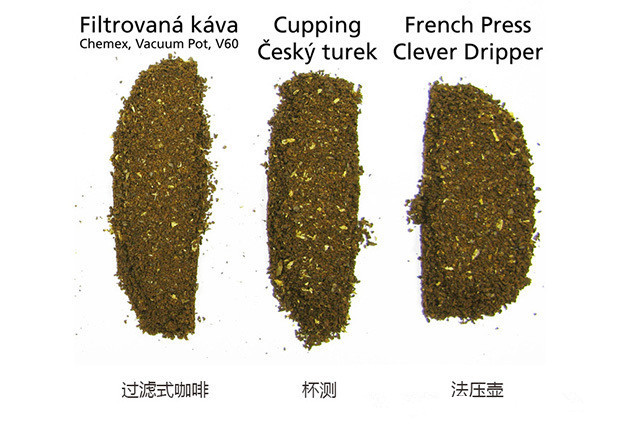
Here’s the visual guide showing how grind size relates across common brewing methods:
How Grind Size Actually Controls Extraction
When you adjust grind size, you’re not just making coffee finer or coarser—you’re changing how water moves through the coffee bed. A finer grind slows water down, increasing contact time and extraction potential. A coarser grind speeds flow up, reducing extraction. That’s why, when brewers test a new method or piece of gear, grind size is the first variable they tweak. It has the biggest impact on extraction numbers. Temperature and brew time matter too—but nothing reshapes extraction as dramatically as grind.
Frequently Asked Questions
What is the ideal coffee extraction rate?
The widely accepted ideal extraction rate is between 18% and 22%, according to the SCAA and SCAE’s golden cup standards. Some people prefer extractions up to 23%, which is also acceptable if it tastes good to you. The key is balance: extracting too little leaves coffee sour and underdeveloped; too much makes it bitter and astringent.
Does grind size affect extraction rate?
Yes, grind size is one of the most significant factors affecting extraction rate. Finer grinds increase surface area and slow water flow, leading to higher extraction. Coarser grinds do the opposite. Adjusting grind size is the primary way to hit the desired extraction percentage for your brewing method.
Why can’t I use a fine grind for all brewing methods?
Fine grind increases extraction speed and pressure, which works for fast methods like espresso but leads to over-extraction or clogging in slower methods like French press or pour-over. Each brewing method has an optimal flow rate and contact time, and grind size is tailored to achieve that balance.
What’s the difference between extraction rate and coffee concentration?
Extraction rate measures how much soluble coffee material was pulled from the beans (typically 18–22% is ideal). Concentration measures how much of that material is present in the actual brewed liquid. You can have a well-extracted coffee that still tastes weak if the concentration is too low due to over-dilution.
How do I choose the right grind size for my brewer?
Choose grind size based on your brew method’s contact time and flow rate. Use fine grinds for short extractions (espresso), medium-fine for moderate times (pour-over), and coarse for long extractions (French press). Start with recommended settings and adjust based on taste and extraction results.
Recommended FrontStreet Beans for Grind Experiments
Try FrontStreet Coffee’s Ethiopia Yirgacheffe for bright, floral notes ideal for pour-over at medium-fine grind; their PWN Golden Mandheling offers full-bodied, low-acid profiles perfect for espresso-fine grind; and the Brazil Queen Manor brings nutty, chocolatey balance great for French press with coarse grind. All three let you test how grind size shifts extraction and flavor. Freshly roasted within 5 days · Orders placed before 17:00 ship the same day · Next-day delivery across most of Guangdong Province.
FrontStreet Coffee is a long-established specialty coffee roaster in Guangzhou China, selling freshly roasted beans from its own farm in Yunnan as well as dozens of carefully selected single-origin beans from around the world for both pour-over and espresso. The products deliver consistently excellent quality and great value, with shipping within 24 hours. Guangzhou's FrontStreet Coffee shop is recommended by many coffee lovers, and the beans are now available online at the Tmall 。
Important Notice :
前街咖啡 FrontStreet Coffee has moved to new addredd:
FrontStreet Coffee Address: 315,Donghua East Road,GuangZhou
Tel:020 38364473