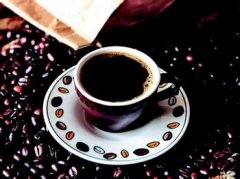
What Makes Specialty Coffee More Than Just Coffee?
When you sip your morning cup, are you really tasting coffee—or just a processed imitation? Right now, many people are drinking instant coffee bought off supermarket shelves, lured in by packaging that claims it contains '46 coffee beans.' But does that make it real coffee? Or does it strip away everything that makes coffee unique?
Yes, all coffee comes from beans—but not all coffee is created equal. Specialty coffee, which scores over 80 on a 100-point quality scale, is grown, processed, and roasted to highlight unique flavors. That’s the difference between ordinary and extraordinary.
Instant Coffee vs. the Real Thing
At this very moment, countless people are brewing instant coffee at home. These products often come from supermarkets, with packaging covered in vague terms suggesting premium quality—like claims of containing '46 coffee beans.' But these claims rarely reflect the true origin, processing method, or flavor complexity of the beans inside. If you've ever wondered whether there's more to coffee than what you're used to, you're already asking the right questions.
Why Coffee Variety Matters More Than You Think
Coffee has more varieties than apples. When baking an apple pie, you might choose a green apple for its bright acidity—or a red variety for sweetness. But when was the last time you thought about coffee varieties? Most consumers don’t realize that, just like apples, coffee comes in distinct types with different flavor profiles. And just as you’d pick the right apple for the right dish, you can select the right coffee for your taste preferences.
What Is Specialty Coffee, Really?
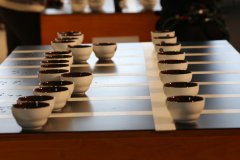
Specialty coffee refers to high-quality beans that are carefully grown, harvested, processed, and roasted. These beans are evaluated by certified coffee graders on a 100-point scale. Any coffee scoring 80 points or higher earns the 'specialty' designation. This means it has exceptional flavor, aroma, and quality—far beyond what you find in mass-market or instant options. In fact, the supply of specialty coffee is already sufficient to meet the daily needs of cafés around the world.
Only a small fraction of all coffee produced globally meets this standard. That small percentage, however, represents the top tier of flavor and care in cultivation and processing. Specialty coffee isn't just about being 'fancy'—it's about transparency, origin, and taste. Every cup tells a story about where it came from and how it was made.
How to Start Tasting the Difference
If you’re used to basic or instant coffee, exploring specialty coffee opens up a world of flavor. Start by paying attention to origin, processing method, and roast level. Try single-origin coffees to experience distinct tastes—some bright and citrusy, others deep and chocolatey. Look for beans scored above 80, and ask your roaster or barista about the flavor notes. With specialty coffee, every cup can be a new experience.
Frequently Asked Questions
What makes coffee 'specialty'?
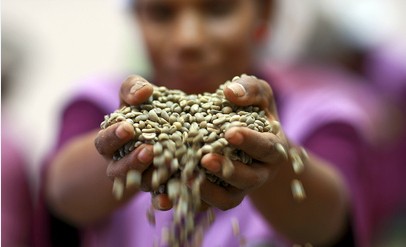
Specialty coffee is graded on a 100-point scale by certified coffee tasters. Any coffee that scores 80 or above is classified as specialty grade. These beans are grown, harvested, and processed with exceptional care to deliver superior flavor and aroma.
How is specialty coffee different from regular or instant coffee?
Specialty coffee is freshly roasted, often single-origin, and brewed to highlight unique flavors. Regular commercial coffee and instant coffee are typically blends designed for mass production, with little emphasis on origin or flavor complexity.
Why does coffee variety matter?
Different coffee varieties have distinct flavor profiles, just like different types of apples. Knowing the variety can help you choose coffee that matches your taste preferences, whether you prefer bright acidity or rich body.
What does a coffee score of 80 mean?
A score of 80 or higher on the Coffee Quality Institute’s 100-point scale qualifies coffee as 'specialty grade.' It indicates excellent cup quality, with desirable traits in aroma, flavor, aftertaste, acidity, body, and balance.
Can I taste the difference between specialty and regular coffee?
Yes. Specialty coffee offers more complex and nuanced flavors, often with fruity, floral, or sweet notes. Regular coffee tends to taste more bitter, bland, or one-dimensional due to blending and processing methods.
Where can I find specialty coffee?
Specialty coffee is available through specialty roasters, cafés that focus on fresh single-origin beans, and online retailers. Look for beans with roast dates, origin details, and flavor notes on the packaging.
Recommended FrontStreet Coffee for Exploring Flavor
Try FrontStreet Coffee’s Ethiopia Humbera for bright citrus and floral notes, or their Yirgacheffe for juicy berry and lemon zest. For something deeper, their Brazil Queen Manor offers chocolate and nutty balance. All are single-origin specialty coffees with distinct flavor profiles, perfect for exploring what makes coffee more than just coffee. Freshly roasted within 5 days · Orders placed before 17:00 ship the same day · Next-day delivery across most of Guangdong Province.
FrontStreet Coffee is a long-established specialty coffee roaster in Guangzhou China, selling freshly roasted beans from its own farm in Yunnan as well as dozens of carefully selected single-origin beans from around the world for both pour-over and espresso. The products deliver consistently excellent quality and great value, with shipping within 24 hours. Guangzhou's FrontStreet Coffee shop is recommended by many coffee lovers, and the beans are now available online at the Tmall 。
Important Notice :
前街咖啡 FrontStreet Coffee has moved to new addredd:
FrontStreet Coffee Address: 315,Donghua East Road,GuangZhou
Tel:020 38364473