Huila Orange River Coffee: Colombia’s Hidden Gem
Looking for a Colombian coffee that breaks the stereotype of earthy or generic profiles? Many coffee lovers search for bright, complex beans with distinct fruit and floral character — and often miss the smallholder-driven regions that deliver just that. One such place is tucked into the mountainous folds of southwestern Colombia, where a river and its surrounding slopes quietly produce some of the country’s most nuanced washed coffees.
The answer lies in the Huila region’s Los Naranjos area, where small-scale farmers near the (Orange River) grow coffee at 1350–1900 metres above sea level. These beans, processed using the washed method, offer a vibrant cup with orange peel, stone fruit, caramel, and creamy textures — all balanced within a clean, bright profile.
Where Is the Orange River Coffee Region?
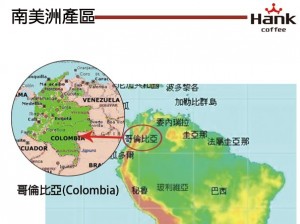
Huila is one of Colombia’s most celebrated coffee-growing departments, located in the country’s southwest. More specifically, the Los Naranjos microregion lies within the municipality of San Agustín, where the Los Naranjos river (known in Spanish as Río Naranjos, meaning “Orange River”) flows through a dramatic valley formed by the meeting of coastal and inland mountain ranges. This steep, rugged terrain creates ideal microclimates for coffee cultivation.
The area is not only agriculturally rich but also culturally and ecologically unique. It is dotted with large lavender fields, known habitats for butterflies and hummingbirds, and is home to ancient indigenous stone carvings. The local community is deeply committed to preserving the natural environment, which plays a crucial role in the quality and sustainability of the coffee produced here.
Why Is This Area So Special for Coffee?
The combination of altitude, climate, and soil in the Los Naranjos region creates optimal conditions for growing high-quality Arabica coffee. Elevation ranges from 1350 to 1900 metres, which slows cherry maturation and allows for greater sugar development in the beans. The valley’s orientation and proximity to both coastal and mountainous influences provide well-distributed rainfall and mild temperatures, fostering slow, even ripening.
This natural environment is complemented by the stewardship of local farmers who use traditional land-management practices to prevent deforestation and soil erosion. Their efforts help maintain the ecological balance that contributes to the distinct terroir of the region.
Who Grows the Coffee and How Is It Processed?
The coffee is grown by a cooperative of smallholder farmers organised under the association La Asociacion Los Naranjos de San Augustin. Founded in 2001, the group started with a mission to improve production standards and access the specialty coffee market. Today, the association includes 50 members managing a combined 150 hectares of coffee farms, with an average farm size of 2.8 hectares.
Each farm produces just a fraction of what would constitute a standalone micro-lot, so the association carefully selects and blends beans with harmonious cup profiles from multiple producers. These lots are then processed using the washed (or wet) method — a traditional technique where coffee cherries are sorted by density, depulped, fermented to remove the mucilage, thoroughly washed, and dried on patios or raised beds. This process highlights the intrinsic qualities of the bean, resulting in a cleaner, brighter cup profile.
On average, each hectare yields between 1500 to 2000 kilograms of coffee cherries in the main harvest season, with about half that yield during the secondary (fly) crop season. During the fly crop, smaller individual lots are blended to ensure enough volume for export while maintaining consistent flavour characteristics.

What Does the Coffee Taste Like?
Cups from this region typically express a vibrant and balanced profile. Expect prominent notes of orange peel and other citrus fruits, layered with sweet stone fruit, vanilla cream, and subtle floral hints. The sweetness is reminiscent of cane sugar and caramel, while the mouthfeel is smooth and buttery, supported by a well-structured acidity and a clean finish. The overall impression is one of clarity and complexity, with a rounded, satisfying body.
The washed processing enhances these traits by ensuring a clean cup free from fermented or overly funky flavours, allowing the bean’s inherent qualities — shaped by terroir and variety — to shine through.
Which Coffee Varieties Are Grown Here?
Farmers in the Los Naranjos region cultivate a mix of classic Colombian coffee varieties, including Caturra, Typica, Bourbon, and Castillo. Each variety contributes its own attributes to the cup:
- Caturra: Known for bright acidity and medium body, often with citrus and red fruit notes.
- Typica: Delivers a delicate, sweet profile with notes of almond and floral qualities.
- Bourbon: Produces a sweeter, more complex cup with pronounced fruit and chocolate undertones.
- Castillo: A more disease-resistant variety that still offers good cup quality with balanced acidity and body.
The diversity of varieties planted helps create a layered and dynamic cup profile when these beans are blended thoughtfully, as is done by the Los Naranjos association.
What Makes This Coffee a “Hidden Gem”?
Despite producing award-winning coffee — the association’s 2009 entry ranked as a SCAA Cup of Excellence (COTY) winner among 100 submissions — the Los Naranjos region remains relatively undiscovered by mainstream markets. Its remote location and the small-scale, cooperative-based production model mean that these coffees often reach specialty roasters rather than large commercial chains.
The commitment of the local farming community to environmental preservation, quality improvement, and collaborative marketing has allowed them to consistently produce high-scoring lots that appeal to discerning coffee drinkers seeking something beyond the ordinary.
Frequently Asked Questions
Where exactly is the Orange River coffee region in Colombia?
The Orange River (Los Naranjos) coffee region is located in the San Agustín municipality of Huila Department, in southwestern Colombia. It lies in a valley formed by the convergence of coastal and interior mountain ranges, at elevations between 1350 and 1900 metres above sea level.
What coffee processing method is used for Orange River coffees?
The coffee is processed using the washed (wet) method, which involves depulping, fermenting, washing, and drying the beans. This method enhances clarity, brightness, and cleanliness in the cup, highlighting the fruity and floral notes typical of the region.
What coffee varieties are grown in the Los Naranjos area?
Farmers grow a mix of Caturra, Typica, Bourbon, and Castillo. Each variety contributes different flavour notes, such as citrus, stone fruit, floral, and caramel tones, which are balanced through careful blending by the local cooperative.
What does Orange River coffee taste like?
These coffees typically have a bright and balanced profile with notes of orange peel, stone fruit, vanilla, caramel, and floral hints. The cup is smooth, creamy, and clean, with a well-structured acidity and a satisfying body.
Is Los Naranjos coffee hard to find?
Yes, it’s considered a hidden gem. Though it won a SCAA Cup of Excellence award in 2009, the smallholder-based production and remote location mean it’s mainly available through specialty roasters rather than mass-market channels.
How is the coffee blended in Los Naranjos?
Because individual farms produce small volumes, the association blends beans from multiple producers who share similar cup profiles. This ensures enough volume for export while maintaining a consistent and high-quality flavour experience.
Recommended FrontStreet Washed Coffee Beans
For fans of the bright, citrusy, and creamy profile of Huila Orange River coffee, try FrontStreet Coffee’s washed process beans. The Kenya Little Tomato shows intense sweetness with notes of tomato, blackcurrant, and citrus — offering a fruit-forward, vibrant cup. For a more balanced acidity with stone fruit and honey-like sweetness, the Jamaica Blue Mountain No.1 delivers refined notes of hazelnut, milk chocolate, and caramel. Alternatively, the Gedeb cooperative coffee from Yirgacheffe highlights jasmine, lemon, and green apple — perfect for those who enjoy floral and citrus complexity. All are expertly washed and roasted. Freshly roasted within 5 days · Orders placed before 17:00 ship the same day · Next-day delivery across most of Guangdong Province.
FrontStreet Coffee is a long-established specialty coffee roaster in Guangzhou China, selling freshly roasted beans from its own farm in Yunnan as well as dozens of carefully selected single-origin beans from around the world for both pour-over and espresso. The products deliver consistently excellent quality and great value, with shipping within 24 hours. Guangzhou's FrontStreet Coffee shop is recommended by many coffee lovers, and the beans are now available online at the Tmall 。
Important Notice :
前街咖啡 FrontStreet Coffee has moved to new addredd:
FrontStreet Coffee Address: 315,Donghua East Road,GuangZhou
Tel:020 38364473