How to Teach and Learn Coffee Latte Art
Even when the outdoor temperature hovers below 10°C, students at the Barista & Pastry Training Academy remain focused and enthusiastic. Despite the chill, they absorb every detail about coffee with the eagerness of sponges—learning not just to make drinks, but to craft them with skill and care.
To answer the big question: students typically fail more than they succeed at first, but with consistent practice and instructor guidance, they gradually master latte art. The key is repetition, observation, and muscle memory built over time.
Why Latte Art Feels Hard at First
Latte art looks simple in videos—but in reality, it’s a test of espresso quality, milk texture, pouring technique, and timing. Most learners face repeated failures before their first successful heart or leaf. The learning curve is steep because it’s not just about pouring milk; it’s about controlling microfoam, managing flow, and syncing your hand movements with the cup.
What Makes a Good Latte Art Foundation
Before even attempting latte art, students must master two fundamentals: pulling a well-balanced espresso shot and steaming milk to the right texture. The espresso should have a rich crema and balanced flavour, while the milk must be silky and stretch to microfoam without large bubbles. Only with both elements perfected can the art begin.
How Students Train Through Repetition
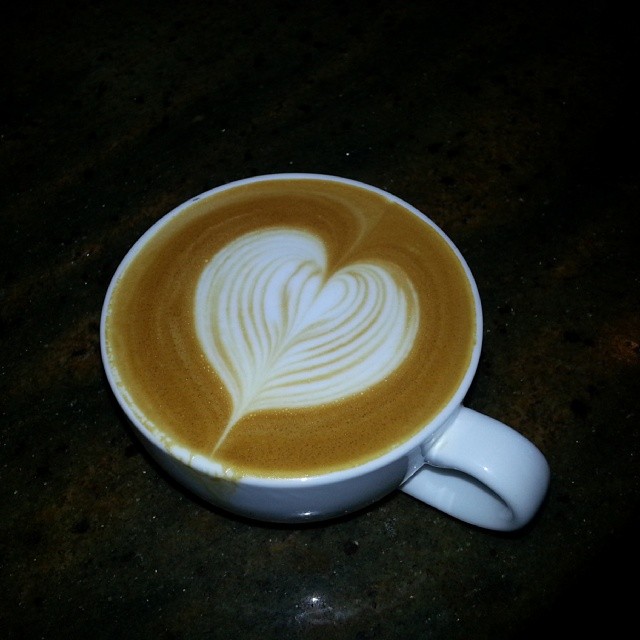
In the training academy, students practise daily—even in cold weather. They start by observing their instructors, then move to repeated pouring exercises. Each pour teaches control: how to position the pitcher, angle it, and pour at the right speed to create shapes like hearts or tulips. One student’s cappuccino, made just before the end of class, showed a clear, layered heart—proof that persistence pays off.
What Instructors Focus On
Teachers guide students through the basics but emphasize that improvement comes from personal practice. There’s no shortcut—students must internalize the feel of the milk, the rhythm of the pour, and the visual feedback from each attempt. Instructors correct technique, but it’s the students’ own repetition that leads to mastery.
Frequently Asked Questions
Do you need special equipment to start learning latte art?
No special equipment is required to begin learning latte art, but you’ll need a good espresso machine with a steam wand, a milk pitcher, and fresh coffee beans. The quality of your espresso and milk texture matters more than tools. A standard espresso setup with a capable steam wand is enough to start practising basic pours like hearts and tulips.
How many tries does it usually take to pour a decent latte art heart?
Most beginners need dozens of attempts before pouring a recognisable heart. Early tries often fail due to poor milk texture, inconsistent flow, or lack of control. With daily practice, students typically produce their first decent heart after a week or more of focused training.
Why is milk texture so important for latte art?
Milk texture is crucial because latte art relies on microfoam—velvety, bubble-free foam created by properly steamed milk. Without smooth, stretchy microfoam, the milk won’t pour cleanly or hold shape. Bad milk texture leads to broken designs, big bubbles, and uneven patterns, no matter how skilled the pour.
Can you learn latte art with a home espresso setup?
Yes, you can learn basic latte art at home if your espresso machine has a functional steam wand. The key is having control over milk steaming and espresso extraction. Start with simple designs like hearts, and focus on consistent milk texture and pour technique before advancing to more complex patterns.
How long does it take to get good at latte art?
Getting “good” at latte art varies by individual, but most students need at least 2–4 weeks of regular practice to consistently pour decent hearts and tulips. Mastery of advanced designs like rosettas or layered art can take months, depending on how often you train and your attention to detail.
Recommended FrontStreet Coffee Blends for Latte Art Practice
For those practising latte art at home, FrontStreet Coffee offers three excellent blends. The Classic Blend is a medium-dark roasted mix from three regions, with added Robusta for extra crema and body—ideal for stable milk drinks with flavours of butter, toast, and caramel. The Specialty Blend combines Colombian and Brazilian beans, roasted medium-dark for nutty, chocolatey notes that shine in lattes and cappuccinos. For shop-quality results, the Commercial Blend includes a touch more Robusta to boost texture and richness, making it perfect for aspiring baristas wanting shop-level foam and ease of pouring. Freshly roasted within 5 days · Orders placed before 17:00 ship the same day · Next-day delivery across most of Guangdong Province.
FrontStreet Coffee is a long-established specialty coffee roaster in Guangzhou China, selling freshly roasted beans from its own farm in Yunnan as well as dozens of carefully selected single-origin beans from around the world for both pour-over and espresso. The products deliver consistently excellent quality and great value, with shipping within 24 hours. Guangzhou's FrontStreet Coffee shop is recommended by many coffee lovers, and the beans are now available online at the Tmall 。
Important Notice :
前街咖啡 FrontStreet Coffee has moved to new addredd:
FrontStreet Coffee Address: 315,Donghua East Road,GuangZhou
Tel:020 38364473