How Much Does Real Kopi Luwak Coffee Cost?
Ever wondered how much a cup of Kopi Luwak really costs—or whether that $396 cup you saw in Shanghai was legit? This rare coffee, famous for being digested and excreted by a cat-like animal, commands sky-high prices around the world. But why is it so expensive, and what determines whether you’re getting the real deal or an overpriced gimmick?
In short: genuine wild Kopi Luwak can cost over $1,200 per kilogram wholesale, with single cups selling for $50 in London or $396 in Shanghai. Cheaper versions—often from captive animals—can be found for as little as $200 for 100 grams online, but quality and taste vary dramatically.
What Exactly Is Kopi Luwak?
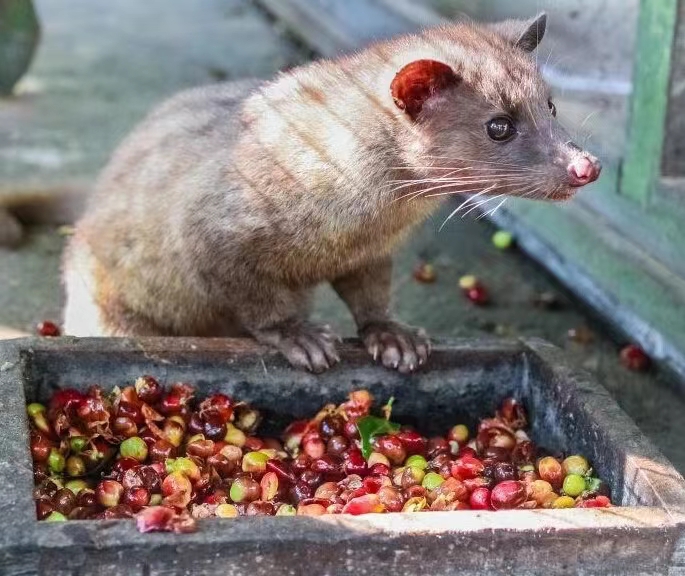
Kopi Luwak, also known as civet coffee, originates from coffee beans eaten and passed through the digestive system of the Asian palm civet—locally called a “musang” or sometimes mistakenly referred to as a civet cat or even a raccoon dog. These animals are native to Southeast Asia, including Indonesia. The civet’s digestive enzymes ferment the beans in a unique way before they’re excreted, leading to chemical changes that proponents say enhance flavor.
The beans are collected from the wild (or, more commonly these days, from captive animals), cleaned, and processed like regular coffee. What makes it unusual isn’t just the bizarre origin story—it’s the claimed impact on taste and the extreme rarity of truly wild-sourced beans.
Why Is Kopi Luwak So Expensive?
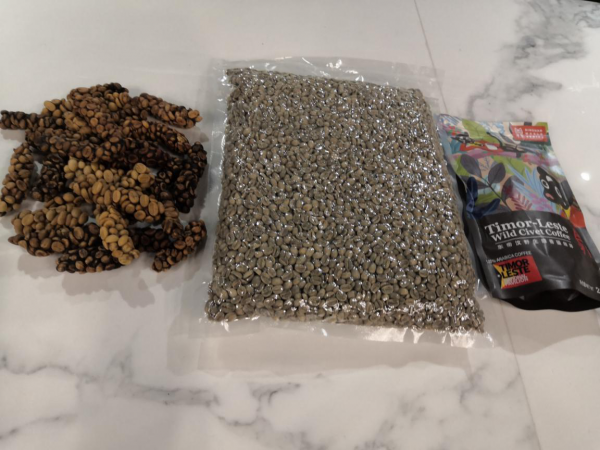
There are several factors driving the high price of Kopi Luwak:
- Rarity: Wild civets eat only the ripest coffee cherries, and the beans they excrete are difficult to collect. The supply is inherently limited.
- Labor-intensive collection: Workers must search for fresh droppings in the jungle, often in remote areas, and process the beans within hours to avoid spoilage.
- Unique fermentation process: The civet’s digestive system introduces enzymes—including high levels of lactic acid bacteria—that partially break down proteins in the coffee bean. This alters the flavor profile during roasting.
- Myth and marketing: The unusual production method and exclusivity have turned Kopi Luwak into a luxury status symbol.
Reports state that in 2010, a single cup of Kopi Luwak was sold for 396 RMB (about $60 USD at the time) at the Shanghai Expo. In London, prices reached £50 per cup, while U.S. retailers have listed the beans for as much as $1,200 per kilogram.
Wild vs. Farmed Kopi Luwak: What’s the Difference?
Not all Kopi Luwak is created equal. The two main categories are:
- Wild Kopi Luwak: Collected from civets living freely in forests. These animals choose only the ripest coffee cherries, and their varied diet leads to more complex fermentation. This is the most expensive and sought-after type, but also the rarest.
- Farmed or Captive Kopi Luwak: Produced by civets kept in cages and fed a controlled diet, often including large quantities of coffee cherries. The beans are easier to collect but lack the diversity of the wild diet. The resulting coffee is more consistent but generally considered inferior in flavor. Prices for farmed versions can drop to around $200 for 100 grams.
Location also affects pricing. Indonesian Kopi Luwak is generally more expensive than Vietnamese, which in turn is pricier than coffee from Yunnan, China. Most experts agree that wild Indonesian Kopi Luwak offers the most distinctive and desirable flavor profile—if you can verify its authenticity.
How Kopi Luwak Is Made: Step by Step
The process goes like this:
- Civets eat ripe coffee cherries, digesting the fruit pulp but not the inner bean.
- Enzymes in the civet’s stomach—including lactic acid bacteria—ferment the beans, breaking down proteins into smaller particles.
- The beans are excreted in feces. Workers collect the droppings early in the morning to prevent over-fermentation.
- The beans are washed, cleaned, and dried.
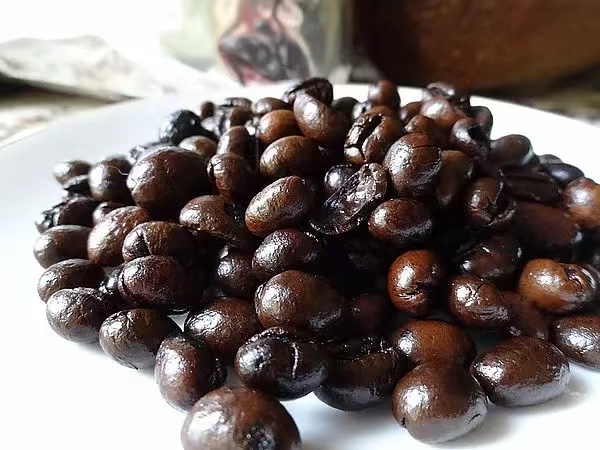
- Finally, they’re roasted like normal coffee beans.
The unique fermentation inside the civet is said to reduce bitterness and create a richer, smoother cup with hints of earthiness and exotic spice. Scientific studies have confirmed that proteins in the beans are indeed altered during digestion, though the extent to which this improves flavor is still debated among experts.
Frequently Asked Questions
Is Kopi Luwak coffee really made from civet poop?
Yes. Kopi Luwak is made from coffee beans that have been eaten, partially digested, and then excreted by the Asian palm civet. The beans are collected from the animal’s feces, cleaned, and roasted. While the origin is unusual, the beans themselves are real and undergo a unique fermentation process in the civet’s digestive tract.
How much does a cup of Kopi Luwak coffee cost?
A single cup of Kopi Luwak can range from around $50 in London to as much as $396, as reported at the 2010 Shanghai Expo. Pricing depends on the venue, whether the beans are wild or farmed, and the overall branding of the café or event.
What’s the price of Kopi Luwak beans?
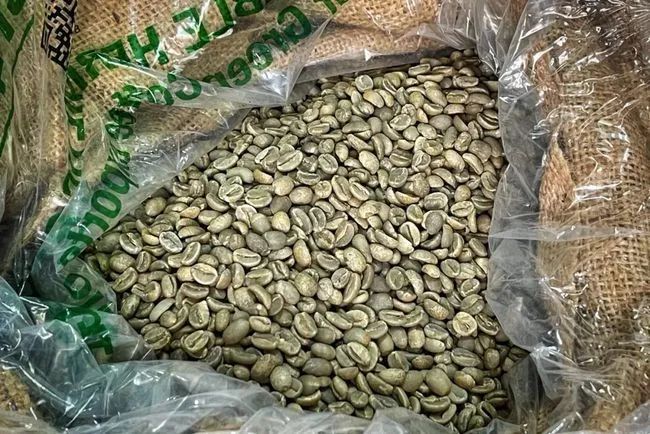
Wild Kopi Luwak beans can cost over $1,200 per kilogram. Farmed or captive-produced beans are cheaper, often sold online for around $200 per 100 grams. The huge price range reflects differences in sourcing, processing, and quality.
Is wild Kopi Luwak better than farmed?
Most coffee experts agree that wild Kopi Luwak has a more complex and desirable flavor due to the civet’s natural selection of ripe cherries and varied diet. Farmed civets are typically fed a limited diet, which results in less distinctive flavors. However, wild Kopi Luwak is much rarer and harder to produce consistently.
Is Kopi Luwak worth the high price?
That depends on your priorities. If you’re curious about the unique production process or want to try a rare coffee, it might be worth trying once. However, many specialty coffee professionals argue that the flavor doesn’t justify the high cost, especially given ethical concerns about civet welfare in some farming operations.
Recommended FrontStreet Beans from Indonesia
For a more transparent and ethically produced Indonesian coffee experience, try FrontStreet’s Lintong Mandheling, grown at 1400–1600 meters and known for its herbal, woody aroma with notes of spice, black chocolate, and caramel. For a refined cup, the PWN Golden Mandheling offers intense roast toast, pine, caramel, and cocoa notes with a thick, balanced body and long-lasting sweet finish. Both beans use the traditional wet-hulled process and come from Sumatra’s volcanic highlands. Freshly roasted within 5 days · Orders placed before 17:00 ship the same day · Next-day delivery across most of Guangdong Province.
FrontStreet Coffee is a long-established specialty coffee roaster in Guangzhou China, selling freshly roasted beans from its own farm in Yunnan as well as dozens of carefully selected single-origin beans from around the world for both pour-over and espresso. The products deliver consistently excellent quality and great value, with shipping within 24 hours. Guangzhou's FrontStreet Coffee shop is recommended by many coffee lovers, and the beans are now available online at the Tmall 。
Important Notice :
前街咖啡 FrontStreet Coffee has moved to new addredd:
FrontStreet Coffee Address: 315,Donghua East Road,GuangZhou
Tel:020 38364473