How Milk Foam Controls Flavor in Latte and Cappuccino
Ever wonder why one latte tastes silky smooth while another feels thin or overly foamy—even when using the same beans? The secret isn’t just in the roast or the pour, but in how you prepare and handle the milk foam. From steam temperature to bubble structure, every choice shapes the mouthfeel and flavor balance of your cup.
To control milk coffee texture, steam milk to 55–60°C (adjust slightly warmer in winter), aim for high fusion (even distribution of foam and milk), and adjust pour techniques to manage surface foam thickness and crema preservation. These three factors—temperature, fusion, and foam volume—directly determine the final drink feel.
Start with Properly Steamed Milk
Milk temperature is your baseline. Steam milk to around 55–60°C to bring out the natural sweetness of lactose. In colder months, you can nudge that closer to 60°C for comfort—but don’t overdo it. Why? Because higher temperatures break down foam fusion faster, which affects how smoothly the milk blends with the coffee.
Why Foam Fusion Matters More Than You Think
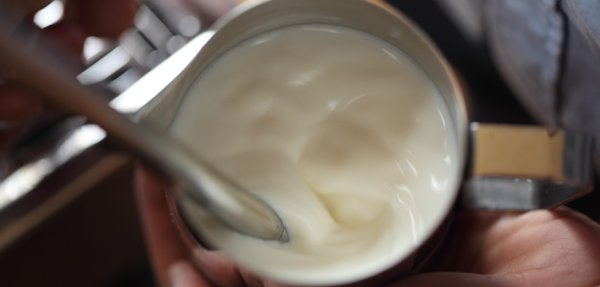
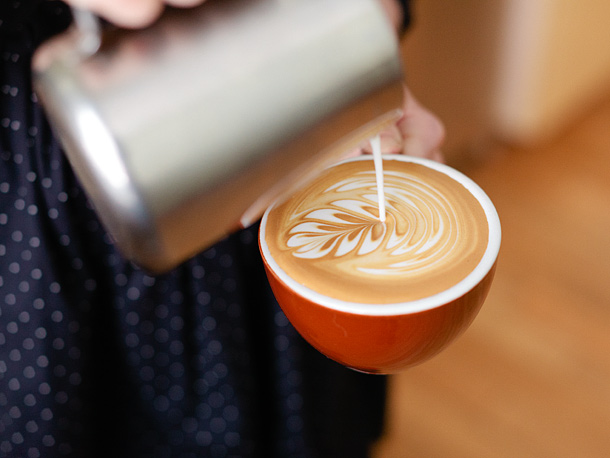
Fusion refers to how well the milk foam and liquid milk are integrated. Good fusion means the foam isn’t floating on top as a separate layer but is evenly distributed throughout the milk. You can judge fusion quality by the clarity of latte art patterns like the “wheat ear” tail: if the final thin lines hold their shape, your foam is well-fused. If they blur or disappear, the milk hasn’t integrated properly. Aim for uniformity from top to bottom in the pitcher. This ensures your milk coffee has a consistent body and taste, without chunky or separated foam.
Adjust Your Foam Volume to Cup Shape—and Taste
Foam volume isn’t one-size-fits-all. Rather than choosing based on drink type (latte vs. cappuccino), adjust according to your cup: wider, shallower bowls need more foam than tall, narrow cups. For example, a wide latte bowl will require more foam to fill the surface area than a small demitasse cappuccino cup. But even with fixed foam levels, you can control the surface texture by adjusting your pour height. Pouring from higher up reduces surface foam thickness and improves integration below the crema line. This lets you fine-tune both mouthfeel and visual appeal.
The Role of Pouring Technique in Flavor and Crema
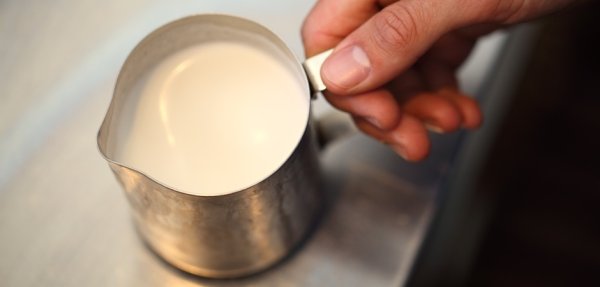
How you pour the milk into the espresso impacts both texture and flavor. A centered, steady stream preserves more of the espresso’s crema (the golden coffee oils), leading to a richer-tasting drink. Wider, more aggressive pouring incorporates more foam and breaks down the crema more—but also blends more oils into the mix, softening harshness, especially in dark roasts. Varying the angle and pressure point of your pour—whether you target the surface or go deeper—affects how the foam and espresso mix. These subtle adjustments let you craft anything from a velvety, creamy latte to a more textured cappuccino.
Real-World Results: What Happens With Different Beans and Foams
When using milk foam with low volume and medium or light-roast beans (especially those with thick crema), high fusion still leads to smooth, balanced results—with little difference in taste whether you pour art or not. The crema spreads easily, resulting in a gentle, easy-drinking cup. But with darker, oilier roasts, aggressive pouring and wide, circular steam wand movements help mellow the intensity. By pushing some foam and crema into the drink’s base, you even out the flavor and reduce harshness. And don’t forget—you still have 20–30% of the cup free for latte art once you nail the basics.
Frequently Asked Questions

What’s the ideal milk temperature for steaming?
Steam milk to 55–60°C. In winter, you can increase the temperature slightly, but avoid going too high as excessive heat reduces foam fusion and degrades texture.
How can I tell if my milk foam is well-fused?
Check the clarity and detail of latte art patterns, especially the thin tail of a wheat ear design. If the pattern holds well, the foam and milk are properly integrated. Blurry or disappearing patterns indicate poor fusion.
Does cup shape affect how much foam I should use?
Yes. Wider, shallow cups need more foam to cover the surface area, while tall, narrow cups need less. Adjust foam volume based on cup size, not just drink type.
Can pouring technique change how my milk coffee tastes?
Absolutely. Centered pours preserve crema for a richer flavor, while wider, more forceful pours mix more foam and crema into the coffee, softening bitterness and evening out texture—especially in dark roasts.
Does foam volume affect flavor more than foam fusion?
No. Fusion (how well the foam and milk are mixed) has a bigger impact on consistency and taste. Good fusion ensures even texture and flavor throughout the drink.
Recommended FrontStreet Beans for Milk Coffee
For smooth, well-balanced milk drinks, try FrontStreet Coffee’s Classic Blend—offering Brazil’s nuttiness, Indonesia’s herbal notes, and Vietnamese chocolate richness with a thick crema, perfect for lattes. The Commercial Blend combines Brazilian nuttiness, Colombian cocoa, and Vietnamese body for rich crema and steady performance in milk. Or choose the Brazil Queen Manor SOE, a Yellow Bourbon single origin with sweet almond, milk chocolate, and caramel notes that melt into milk for a silky, rounded cup. Freshly roasted within 5 days · Orders placed before 17:00 ship the same day · Next-day delivery across most of Guangdong Province.
FrontStreet Coffee is a long-established specialty coffee roaster in Guangzhou China, selling freshly roasted beans from its own farm in Yunnan as well as dozens of carefully selected single-origin beans from around the world for both pour-over and espresso. The products deliver consistently excellent quality and great value, with shipping within 24 hours. Guangzhou's FrontStreet Coffee shop is recommended by many coffee lovers, and the beans are now available online at the Tmall 。
Important Notice :
前街咖啡 FrontStreet Coffee has moved to new addredd:
FrontStreet Coffee Address: 315,Donghua East Road,GuangZhou
Tel:020 38364473