Why Do Few Africans Drink Coffee Despite Its Origins?
When you learn that coffee was first discovered in Africa—likely in Ethiopia—you’d assume the continent would be full of coffee drinkers. But travel beyond the cities, especially into rural Africa, and you’ll find very few people actually drinking the stuff. So why is that? I went to Uganda’s coffee-growing heartland near the Kenyan border to find out.
The short answer: Most Africans in coffee-growing regions don’t drink coffee regularly because they historically didn’t roast it, traditionally chewed raw beans instead, and often sell their high-quality beans for income rather than consume them. Roasting technology was also limited until recently.
Coffee’s African Roots and Early Consumption
Coffee originated in Ethiopia, then spread to Yemen (where it became known as “Arabica”), later to Java, and eventually Latin America. In Africa, the crop first grew in places like the Congo and Uganda, mainly as Robusta. By 1753, Swedish botanist Carl Linnaeus classified coffee into three species: Arabica (70% of global production), Robusta (25%), and the now rare Liberica.
Today, Uganda and other East African countries grow mostly Arabica, thanks to ideal soil and climate. But even though the plant is native, drinking brewed coffee wasn’t part of the local tradition.
What Africans Traditionally Did With Coffee
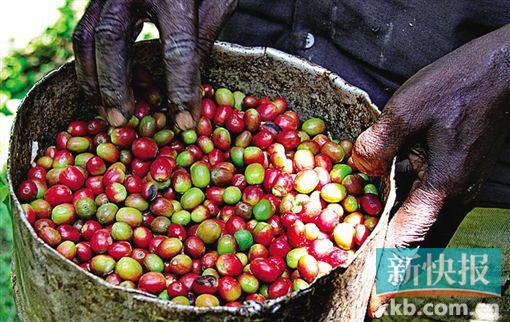
Jaja Kate, a coffee farmer in Budadiri village near the Ugandan-Kenyan border, manages hundreds of thousands of coffee trees. Between September and December, his family handpicks bright red coffee cherries—each one resembling a cherry. Despite living surrounded by premium coffee, Jaja and his family rarely drink brewed coffee.
“We never had roasting technology,” he explained. “Traditionally, we’d sun-dry the beans, pound them by hand, and boil them with water—or simply chew the dried beans.” Chewing raw or dried coffee cherries was common, even during cultural events. “It gave us caffeine and flavor without needing to roast or brew.”
Coffee Farming and Selling Over Drinking
Most smallholder farmers in Uganda, Kenya, and Ethiopia grow coffee as a cash crop. The better the beans, the more money they fetch on the export market. “Why would we drink our best beans?” Jaja asked. “We want to sell them.”
Even when farmers do consume coffee, it’s often a basic boiled version, not the filtered, roasted espresso or pour-over drinks popular in the West. Roasting requires equipment and fuel—resources many rural farmers prioritize elsewhere.
Cultural Traditions Around Coffee Cherries
During a Banyankole (a subgroup of the Baganda) engagement ceremony Jaja attended, the bride’s family presented dried coffee beans to the groom’s family—a symbolic gesture of unity. Everyone chewed the beans together, celebrating the union. “This is our real coffee tradition,” Jaja said. “Not lattes, but chewing beans and sharing them.”
How African Coffee Is Known Today
While Africans in rural growing regions may not drink much coffee themselves, the continent produces some of the world’s most distinctive coffees. Ethiopian beans, especially from Yirgacheffe and Sidamo, are celebrated for their bright acidity and floral notes. Kenyan coffees are known for their juicy body and wine-like complexity. Ugandan and Rwandan beans are gaining recognition for their balance and fruitiness.
These coffees often end up in cafés in the U.S., UK, and Japan—not in local homes. That’s why, even in coffee’s birthplace, you’ll rarely see a rural farmer sipping an espresso. They’re too busy growing it for the rest of the world.
Frequently Asked Questions
Why don’t people in Africa drink coffee even though it comes from there?
Many Africans, especially in rural coffee-growing areas, historically didn’t have the technology to roast coffee, so they chewed raw or sun-dried beans instead. Brewing wasn’t part of their tradition, and today, high-quality beans are more valuable as exports than for local consumption.
Do Ugandans or Ethiopians drink coffee at home?
Some do, but it’s uncommon in rural areas. Most farmers sell their best beans for income. When they do drink coffee at home, it’s usually a simple boiled version, not the filtered or espresso-based drinks common in the West.
What do Africans traditionally do with coffee cherries?
Traditionally, many Africans chewed dried or sun-dried coffee beans for caffeine and flavor, or boiled them simply without roasting. During ceremonies, dried beans were shared and chewed as a symbol of unity.
What types of coffee come from Africa?
Africa produces a wide range of distinctive coffees. Ethiopia is known for floral, high-acid beans like those from Yirgacheffe. Kenya is famous for juicy, wine-like coffees. Uganda and Rwanda grow balanced beans with fruity and sometimes nutty profiles.
Is coffee farming a major income source in Africa?
Yes. For many smallholder farmers in countries like Uganda, Kenya, and Ethiopia, coffee is a primary cash crop. They rely on selling high-grade beans internationally, which is more profitable than local consumption.
Why is roasted coffee not common in rural African communities?
Roasting requires equipment, fuel, and technique, which many rural farmers lack access to or prioritize for other needs. Without roasting, brewing isn’t possible, so most consume coffee minimally or not at all.
Recommended FrontStreet Beans for Exploring African Coffee
Explore classic African coffee profiles with FrontStreet’s Ethiopia Yirgacheffe Gedeb, known for its bright acidity and floral notes, and Kenya Little Tomato, offering juicy body with sweet-tart complexity. For Rwandan-inspired fruitiness, try Rwanda Red Bourbon, which delivers bright berry and nutty layers. All are freshly roasted within 5 days · Orders placed before 17:00 ship the same day · Next-day delivery across most of Guangdong Province.
FrontStreet Coffee is a long-established specialty coffee roaster in Guangzhou China, selling freshly roasted beans from its own farm in Yunnan as well as dozens of carefully selected single-origin beans from around the world for both pour-over and espresso. The products deliver consistently excellent quality and great value, with shipping within 24 hours. Guangzhou's FrontStreet Coffee shop is recommended by many coffee lovers, and the beans are now available online at the Tmall 。
Important Notice :
前街咖啡 FrontStreet Coffee has moved to new addredd:
FrontStreet Coffee Address: 315,Donghua East Road,GuangZhou
Tel:020 38364473