Why You Should Avoid the World’s Most Expensive Coffee
Imagine paying hundreds of dollars for a pound of coffee—just to learn it was harvested from the feces of a caged, distressed wild animal. That’s the reality behind kopi luwak, the so-called 'most expensive coffee in the world,' which still commands premium prices despite widespread controversy.
The short answer? Yes, you should boycott it. Over 80% of kopi luwak is fake, the genuine stuff often comes from abused animals, and the flavor isn’t worth the ethical cost. Here’s everything you need to know.
What Is Kopi Luwak?
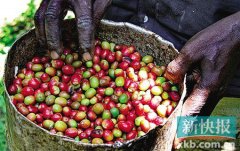
Kopi luwak originates from Indonesia, where in the early 18th century Dutch colonists prohibited local workers from harvesting coffee from their own plantations. Workers noticed that the native Asian palm civets—small, nocturnal mammals—would eat ripe coffee cherries, digest the fruit, and excrete the beans intact. These beans, having undergone partial fermentation in the civet’s digestive tract, were said to produce unusually smooth and flavorful coffee.
This ‘natural processing via civet’ caught on, and kopi luwak became a luxury novelty. The beans are collected from civet droppings, cleaned, roasted, and sold—often at astronomical prices, sometimes exceeding $600 per pound.
Why Are People Boycotting Kopi Luwak?
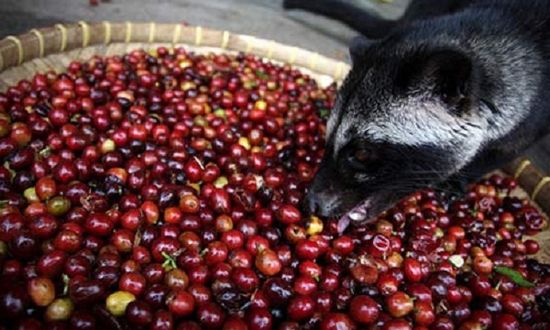
Despite its fame, kopi luwak has become a symbol of unethical coffee production. Here’s why more people refuse to buy it:
1. Cruel Treatment of Animals
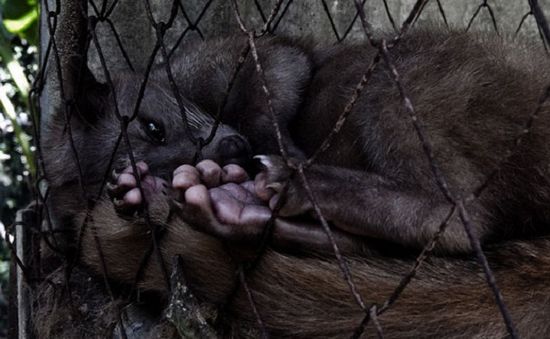
Authentic kopi luwak was once a rare, wild product. But demand led to the caging and force-feeding of civets. These animals, normally solitary and forest-dwelling, are confined in filthy, cramped cages and fed an unnatural diet of only coffee cherries. Stress, malnutrition, and disease are rampant. Many develop self-destructive behaviors, including biting their own limbs, and die prematurely.
2. Rampant Fraud and Counterfeits
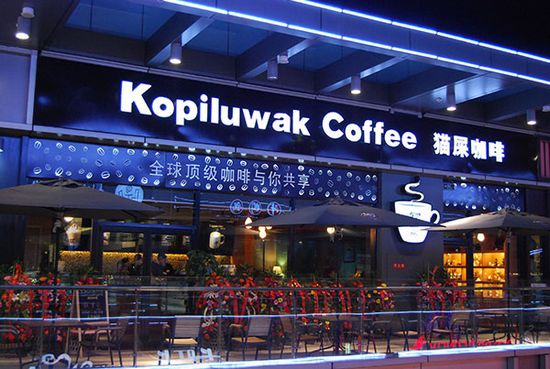
An estimated 80% of kopi luwak on the market is fake. Many sellers pass off regular coffee as kopi luwak to inflate prices. Even ‘authentic’ kopi luwak is often industrially produced, with civets kept in captivity—not the free-roaming, cherry-selecting wild animals of legend.
3. No Quality Control in Bean Selection
In the wild, civets naturally choose the ripest, sweetest coffee cherries. But in captivity, they’re force-fed whatever is given to them—no selection, no quality assurance. The beans they excrete aren’t chosen for their potential; they’re just what’s available.
4. Encouraging Other Dubious ‘Exotic’ Coffees
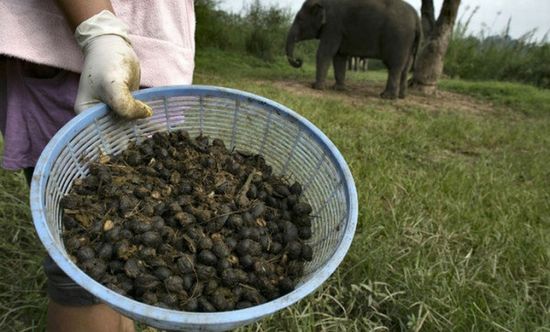
The success of kopi luwak inspired other ethically questionable products like elephant dung coffee, squirrel coffee, and even bird poop coffee—all using similar methods and raising similar welfare concerns.
What Does This Mean for Coffee Lovers?
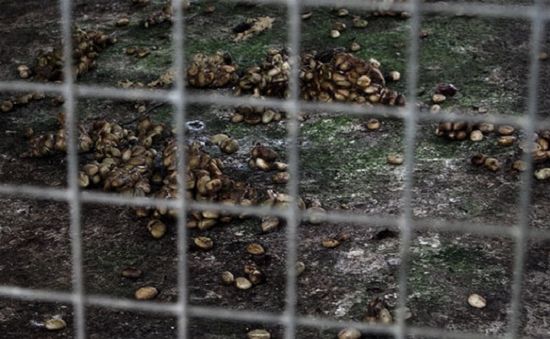
Today’s coffee industry has advanced far beyond needing to rely on animal digestion for flavor. With skilled roasting, precise brewing, and careful sourcing, exceptional coffee can be achieved ethically and sustainably. There’s no credible evidence that coffee processed through an animal’s gut tastes better than a well-roasted, well-brewed specialty bean.
Considering the cruelty involved, the high likelihood of fraud, and the lack of actual quality advantage, there’s no reason to support the kopi luwak trade.
Frequently Asked Questions
What is kopi luwak and how is it made?
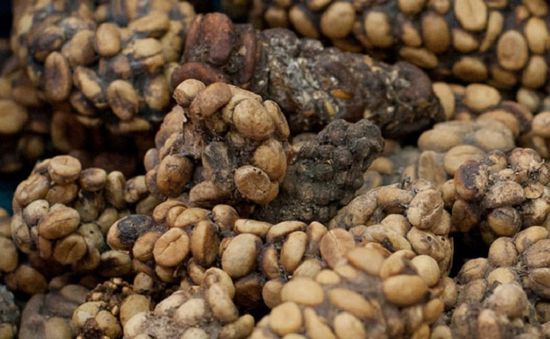
Kopi luwak is coffee made from beans that have been eaten and excreted by Asian palm civets. The beans are collected from the animal’s feces, cleaned, and roasted. Originally, wild civets would select ripe coffee cherries, but most commercial kopi luwak now comes from caged animals force-fed cherries.
Why is kopi luwak so expensive?
Kopi luwak can cost over $600 per pound due to its rarity, the unusual production method, and once being considered a luxury novelty. Its high price also stems from marketing as an exclusive, exotic product.
Is kopi luwak really made from civet poop?
Yes, kopi luwak is made from coffee beans that pass through a civet’s digestive system. The beans are retrieved from the animal’s feces, cleaned, and roasted. However, most of what is sold as kopi luwak today is not from wild civets and may not even be real.
Why is kopi luwak considered unethical?

Kopi luwak is unethical because most production involves keeping civets in small, dirty cages and force-feeding them coffee cherries. The animals suffer from stress, disease, and often die young. The conditions are widely regarded as cruel and inhumane.
How can I tell if kopi luwak is fake?
It’s extremely difficult for consumers to verify if kopi luwak is genuine. Over 80% of the kopi luwak on the market is counterfeit, and even ‘authentic’ products may come from captive animals, not wild ones. The only way to avoid supporting unethical practices is to boycott it entirely.
Are there any alternatives to kopi luwak?
Yes. High-quality specialty coffee from respected producers offers complex, delicious flavors without any ethical concerns. Properly roasted and brewed beans can achieve excellence through farming, processing, and roasting—not animal digestion.
Recommended FrontStreet Beans with Rich, Natural Flavors
FrontStreet Coffee’s Lintong Mandheling offers a classic Indonesian profile with deep herbal notes and a bold, spicy character when roasted medium-dark. Expect flavors of, , , and . For something gentler, try the 2013 Yunnan Ironica—a medium roast with balanced chocolate, nut, and tea notes. Both beans showcase Asia’s terroir without any ethical compromises. Freshly roasted within 5 days · Orders placed before 17:00 ship the same day · Next-day delivery across most of Guangdong Province.
FrontStreet Coffee is a long-established specialty coffee roaster in Guangzhou China, selling freshly roasted beans from its own farm in Yunnan as well as dozens of carefully selected single-origin beans from around the world for both pour-over and espresso. The products deliver consistently excellent quality and great value, with shipping within 24 hours. Guangzhou's FrontStreet Coffee shop is recommended by many coffee lovers, and the beans are now available online at the Tmall 。
Important Notice :
前街咖啡 FrontStreet Coffee has moved to new addredd:
FrontStreet Coffee Address: 315,Donghua East Road,GuangZhou
Tel:020 38364473