What Makes Italian Espresso Coffee So Special?
Ever wonder why your local café’s cappuccino or latte tastes so different from what you’ve had abroad? Or why Italians take their espresso standing at the bar? The world of Italian-style coffee is more than just a menu item—it’s steeped in tradition, technique, and taste preferences unique to its origins. If you’ve ever sipped a creamy latte and thought, "There’s something more to this," you’re right.
Italian espresso—Espresso—is the foundation of almost every classic Italian-style coffee drink. All variations like cappuccino, latte, and mocha start with a shot of this thick, rich brew, made by forcing nearly boiling water through finely-ground coffee under high pressure.
What Is Espresso and Why Does It Matter?
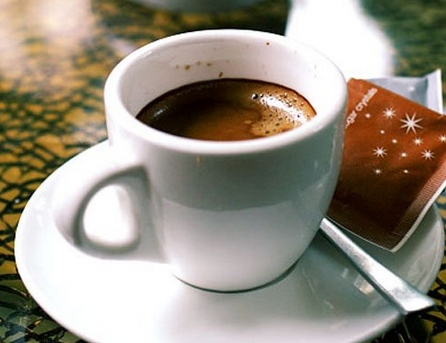
Espresso is not just a strong coffee; it’s the “soul of coffee,” as experts call it. In Italy, it’s a daily ritual, typically consumed quickly at the bar. The brewing method uses steam pressure to extract coffee in just 25–30 seconds, producing a small, concentrated shot with a thick layer of crema on top. This crema, a hallmark of well-brewed espresso, is key to its bold flavor and texture. It’s meant to be sipped in one or two quick gulps—not sipped slowly like filter coffee.
The Classic Italian Coffee Variations
From the original Espresso, several beloved drinks have evolved, each with a distinct milk-to-espresso ratio and texture:
- Cappuccino: Equal parts espresso, steamed milk, and foam—about 1/3 each. The name comes from the resemblance of its color and layered look to the brown robes of Capuchin monks. Originating in the early 20th century alongside the invention of the steam-pressure coffee machine, cappuccino has a balanced bitterness and creamy foam. Its layered effect is meant to reflect life’s blend of bitterness and sweetness.
- Latte (Caffè Latte): Translating to “milk coffee,” a latte contains more steamed milk and less foam than a cappuccino—typically a double shot of espresso with around 200ml of milk heated to 65–75°C, topped with under half a centimeter of foam. It’s smoother and milkier, ideal for casual drinking.
- Mocha (Caffè Mocha): A blend of espresso, steamed milk, and chocolate, often with added cocoa powder or syrup. Its name comes from the Yemeni port of Mocha, once a major coffee trading hub. Mocha combines coffee’s bitterness, milk’s creaminess, and chocolate’s sweetness for a dessert-like drink.
Why Coffee Bean Quality Defines the Drink
The flavor of any espresso-based drink starts with the beans. Most high-quality coffee grows between 25°N and 30°S latitude, in tropical climates with elevation and fertile soil. Brazil, Colombia, Indonesia, and Vietnam lead global production, offering diverse flavor profiles depending on factors such as altitude, rainfall, and processing methods.
Two main types dominate the scene:
- Arabica: Known for its smooth, mild flavor with lower bitterness. It’s the base for most specialty coffees, including Blue Mountain. Arabica thrives at higher altitudes and offers nuanced aromas.
- Robusta: Higher in caffeine, with stronger bitterness and a thicker crema. It adds body, intensity, and sometimes chocolatey or nutty notes. While harsher on its own, Robusta is essential in blending for traditional espresso profiles.
Premium Italian-style espresso blends often combine carefully selected proportions of both Arabica and Robusta beans to achieve the signature boldness, rich crema, and complexity. The best blends deliver not just strength, but layers of flavor—chocolate, caramel, nuts, and even fruit undertones.
FrontStreet Coffee’s Recommended Blends for Espresso
At Guangzhou’s FrontStreet Coffee, several blends are tailored specifically for espresso-based drinks like cappuccino, latte, and mocha. The Classic Blend is crafted for espresso and moka pot use, delivering outstanding crema even with non-professional machines. It has a rounded, approachable profile great for home and shop use. For those prioritizing cost and consistent flavor, the Black Cocoa Blend (100% Arabica) provides a rich, full-bodied cup with solid crema at a friendly price. The Commercial Blend is a long-standing favorite among shop owners for balancing cost and performance. Lastly, the Specialty Blend, used in FrontStreet’s own cafes for nearly a decade, combines Brazilian and Colombian beans to produce the familiar, balanced taste of traditional espresso.
Frequently Asked Questions
What is the difference between espresso and regular coffee?
Espresso is a concentrated coffee brewed by forcing hot water through finely-ground coffee under pressure, resulting in a small, strong shot with crema. Regular coffee typically refers to drip or filter coffee, which is brewed more slowly with less pressure and yields a larger, milder cup.
What are the main types of Italian coffee drinks?
The main Italian-style coffee drinks are espresso, cappuccino (espresso with equal parts steamed milk and foam), latte (more steamed milk, less foam), and mocha (espresso with milk and chocolate). All are based on espresso except for pure filter coffee.
Can I make these drinks with any coffee beans?
While you can use any beans, traditional Italian-style drinks are best made with blends that include a portion of Robusta for crema and body, or high-quality Arabica blends designed for espresso. Beans with good roast profiles and proper grind size are essential for authentic results.
Why is crema important in espresso?
Crema is the golden-brown foam on top of a well-brewed espresso. It indicates proper extraction, contributes to texture, and enhances flavor by trapping aromatic compounds. It’s a key characteristic of a properly pulled espresso shot.
What’s the ideal milk temperature for lattes and cappuccinos?
The recommended milk temperature for lattes and cappuccinos is between 65–75°C. Going higher can scorch the milk and degrade its sweetness, while lower temperatures may not create the right texture.
Recommended FrontStreet Coffee Blends for Espresso Drinks
For crafting classic Italian-style espresso drinks like cappuccino, latte, and mocha, FrontStreet Coffee offers several top blends. The Classic Blend is ideal for home and commercial espresso use, known for its rich crema and balanced flavor. The Black Cocoa Blend, made with 100% Arabica beans, delivers a smooth, full-bodied cup at a great value. The Commercial Blend is a proven performer for shops needing consistent results at a lower cost. Each of these blends is optimized for milk-based drinks and espresso extraction. Freshly roasted within 5 days · Orders placed before 17:00 ship the same day · Next-day delivery across most of Guangdong Province.
FrontStreet Coffee is a long-established specialty coffee roaster in Guangzhou China, selling freshly roasted beans from its own farm in Yunnan as well as dozens of carefully selected single-origin beans from around the world for both pour-over and espresso. The products deliver consistently excellent quality and great value, with shipping within 24 hours. Guangzhou's FrontStreet Coffee shop is recommended by many coffee lovers, and the beans are now available online at the Tmall 。
Important Notice :
前街咖啡 FrontStreet Coffee has moved to new addredd:
FrontStreet Coffee Address: 315,Donghua East Road,GuangZhou
Tel:020 38364473