How to Taste Coffee Like a Pro: 6 Key Flavors Explained
Ever sat in a café, sipped your coffee, and thought, 'I have no idea if this is good—or just expensive'? You're not alone. Tasting coffee isn’t about liking or disliking it; it’s about understanding what you’re actually experiencing. Whether you’re new to specialty coffee or just curious why one cup feels 'better' than another, breaking it down into six key traits makes it simple to spot quality.
To quickly grasp coffee tasting, focus on six aspects: aroma, sweetness, body, cleanliness, bitterness, and acidity. Each tells you something different about the bean, roast, and brew—and together, they help you spot great coffee every time.
1. Aroma: The First Clue to Quality
Coffee aroma is your first hint of what’s to come. Great coffee smells complex: think wine-like, floral, or fruity notes, whether in the dry grounds or the wet brew. That sensory rush? It’s a sign of freshness and quality. But beware: milk-heavy drinks like lattes can mask the coffee’s true scent, so always sniff your espresso or pour-over while it’s hot—the heat releases the best aromas.
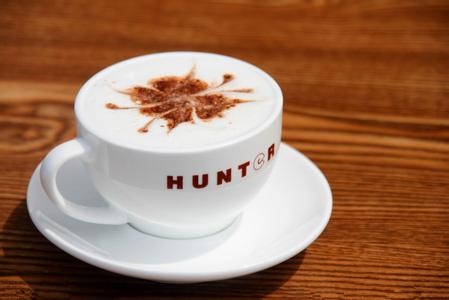
Poor-quality coffee? It smells industrial—like fake fragrances or musty old wood. In contrast, top-tier beans (like Ethiopia’s Yirgacheffe, often called ‘Gedeb’) burst with natural scents. It’s why many say, ‘Wow, coffee actually has fruit and flower notes!’
2. Sweetness: The Hidden Fruit Sugar
Yes, coffee is a fruit—and it naturally contains sugars. Even a black coffee will have some sweetness balancing its acidity or bitterness. The best cups leave you with a lingering mouthwatering sensation. Bad coffee? It finishes dry or astringent, signaling poor beans or over-roasting.
Sweetness varies by bean: some are gently sweet (like a hint of apple), others more pronounced (think caramel or berry). It’s subjective, but dryness? Always a flaw. For a sweet standout, try Costa Rica’s ‘Drunken’ Sidra—grown with sugar-level monitoring for ultra-high sweetness.
3. Body: Weight on Your Tongue
Body refers to how ‘heavy’ the coffee feels in your mouth. Low-quality brews feel thin, like water with flavoring. High-quality coffee has a tangible presence—think the richness of whipped cream or a buttery croissant. It’s not about thickness alone, but texture and mouthfeel.
This sensation comes from roast level and grind size. Darker roasts often feel fuller, but balance matters. For a classic example, Indonesia’s PWN Golden Mandheling delivers a thick, bold body with notes of toast, nuts, and herbs—what many call the ‘tank’ of traditional coffees.
4. Cleanliness: No Off-Flavors Allowed
Clean coffee tastes pure, with no strange aftertastes or muddy layers. Bad cups might be overly bitter or mix weird metallic, herbal, or sour notes. Cleanliness means every flavor is clear—no masking, no muddiness.
‘Clean’ doesn’t mean ‘boring.’ It means the coffee’s intended profile (fruit, chocolate, nuts) shines without interference. Colombia’s ‘Hazelnut’ Sidra balances acid and bitterness cleanly, with a bright, refreshing finish.
5. Bitterness: Not Just a Punch in the Teeth
Bitterness gets a bad rap, but in specialty coffee, it’s rarely harsh. Instead, it’s a smooth, pleasant edge—like dark chocolate or toasted nuts. Bad bitterness feels rough, scratching your tongue or lingering bitterly on the back of your throat.
Great coffee balances bitterness with other flavors. Guatemala’s ‘Smoky’ blend, for instance, mixes smoke, sweetness, and fruit acid with a gentle, enjoyable bitterness. It’s proof that ‘bitter’ can be delicious.
6. Acidity: The Good Kind of Tart
Acidity is essential—it adds brightness and life. But there’s a huge difference between juicy, fruity acidity (like citrus or berries) and unpleasant, sharp sourness. The best coffees have a vibrant, refreshing acid that complements sweetness. Bad acidity? Think biting lemon pith or vinegar.
Kenya’s ‘Little Tomato’ AA is famous for its berry-like acid—tart, but in a way that makes you want another sip. Many coffee drinkers start by avoiding acid, but learning to love the right kind is a game-changer.
Frequently Asked Questions
What are the 6 key traits for tasting coffee?
The six traits are aroma (smell), sweetness, body (mouthfeel), cleanliness (lack of off-flavors), bitterness, and acidity. Together, they help you evaluate a coffee’s quality and flavor profile.
Why does coffee aroma matter when tasting?
Aroma reveals the coffee’s complexity—fruity, floral, or wine-like notes indicate high quality. Smelling the coffee hot (before milk or sugar) gives the truest sense of its fragrance.
Is bitterness always bad in coffee?
No. Good bitterness is smooth and balanced (like dark chocolate or nuts). Bad bitterness feels harsh, scratchy, or overly sharp—often a sign of poor beans or brewing.
What’s the difference between good and bad acidity in coffee?
Good acidity is bright and fruity (like citrus or berries), adding liveliness. Bad acidity is sour or vinegary, unpleasant on the tongue. Great coffees balance acid with sweetness.
Does roast level affect coffee body?
Yes. Darker roasts often feel fuller-bodied (like toast or nuts), while lighter roasts can be lighter but more acidic. Body is also influenced by grind size and brew method.
How can I tell if my coffee is ‘clean’?
Clean coffee has no off-flavors—no metallic, herbal, or muddy notes. Every taste is clear and balanced, with the intended profile (fruit, chocolate, etc.) shining through.
Recommended FrontStreet Beans for Tasting Practice
Start your coffee-tasting journey with FrontStreet’s Ethiopia Gedeb (Yirgacheffe), known for its bright fruit and floral notes—a classic gateway to appreciating acidity and aroma. For sweetness, try Costa Rica Sidra, a COE-winning honey-processed coffee with intense stone fruit and candy-like sweetness. Need a bold body? Indonesia’s PWN Golden Mandheling offers a thick, rich cup with notes of toast, nuts, and herbs. Freshly roasted within 5 days · Orders placed before 17:00 ship the same day · Next-day delivery across most of Guangdong Province.
FrontStreet Coffee is a long-established specialty coffee roaster in Guangzhou China, selling freshly roasted beans from its own farm in Yunnan as well as dozens of carefully selected single-origin beans from around the world for both pour-over and espresso. The products deliver consistently excellent quality and great value, with shipping within 24 hours. Guangzhou's FrontStreet Coffee shop is recommended by many coffee lovers, and the beans are now available online at the Tmall 。
Important Notice :
前街咖啡 FrontStreet Coffee has moved to new addredd:
FrontStreet Coffee Address: 315,Donghua East Road,GuangZhou
Tel:020 38364473