Why Elephant Dung Coffee Costs $1500 a Cup
You’ve heard of $8 pour-overs and $20 single-origin bags—but what about a cup of coffee that costs $1500? That’s the reality of black ivory coffee, one of the most expensive brews in the world. But what makes it so valuable? And why on earth is it harvested from elephant waste? Let’s break down the surprising science, ethics, and extreme production process behind this ultra-luxury coffee.
In short: black ivory coffee costs $1500 per cup because it’s made from coffee beans that have been eaten, fermented, and excreted by elephants. Only one kilogram of usable beans results from 33 kilograms of raw coffee fed to the elephants, and the entire process is labor-intensive, low-yield, and partly charitable.
What Is Black Ivory Coffee?
Black ivory coffee—also known as ‘’ in Chinese—is the commercial name for coffee beans that pass through an elephant’s digestive system. The concept is similar to kopi luwak (cat poop coffee), but instead of civets, the beans are processed by elephants. The coffee was created by Canadian entrepreneur Blake Dinkin, who partnered with hotels in northern Thailand to produce it.
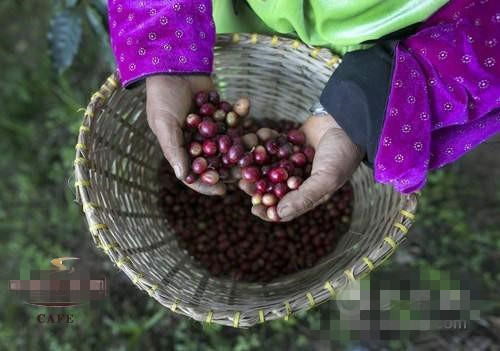
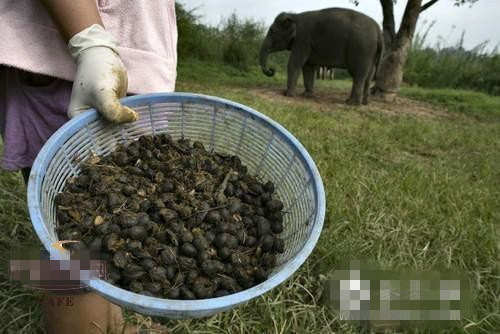
The beans used are regular coffee cherries, which are first mixed with fruits and rice to make them more appealing to elephants. These cherries are then fed to a herd of 20 elephants kept on-site. After digestion, workers collect the dung, carefully extract the beans, wash them, and roast them for final sale.

Why Does It Come From Elephant Waste?
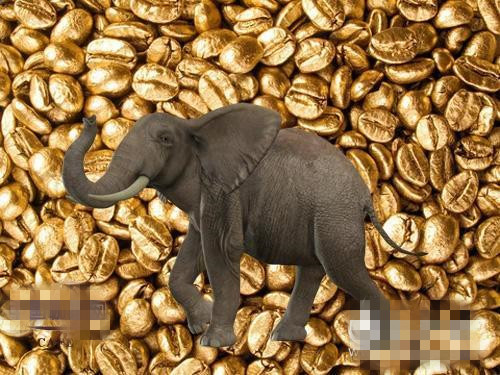
The unique flavor profile of black ivory coffee is attributed to natural fermentation inside the elephant’s gut. According to producers, enzymes in the elephant’s stomach break down proteins in the coffee beans that are typically responsible for bitterness. What’s left is said to be smoother, fruitier, and more aromatic—with natural notes of grass and fruit and almost no bitterness.

The digestion process also takes time—about 15 to 30 hours—which allows for a longer fermentation period than most other specialty processing methods. This extended exposure to natural enzymes inside the elephant alters the bean’s chemical structure in ways that are difficult to replicate industrially.


How Is Black Ivory Coffee Made? Step by Step
The production of black ivory coffee follows a highly specific and inefficient process:
- Coffee cherries are harvested and mixed with fruits and rice to encourage elephants to eat them.
- Elephants consume around 33 kilograms of these cherries.
- After digestion (15–30 hours later), workers collect the elephant dung.
- The beans are handpicked from the feces.
- The beans are thoroughly washed and processed.
- The remaining yield is just 1 kilogram of usable coffee beans.
- These beans are then roasted and prepared for brewing.
This means that for every 33 kg of coffee cherries fed to the elephants, only 1 kg of black ivory coffee is produced—a yield rate of roughly 3%. The scarcity and labor involved contribute directly to the coffee’s extreme price tag.


Where Does the Money Go?
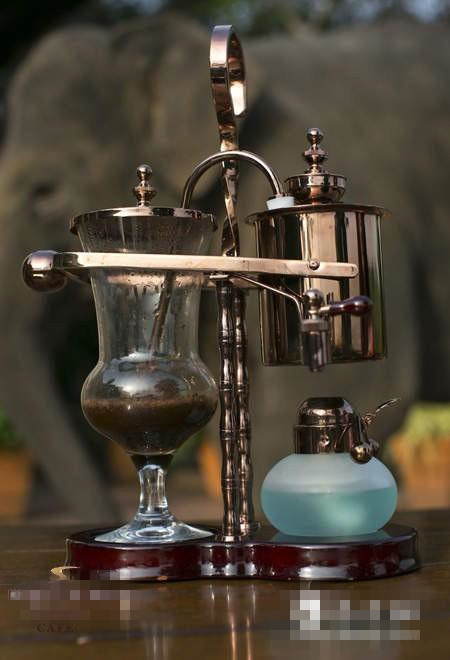
Despite its luxury positioning, black ivory coffee donates 8% of its profits to local elephant rescue organizations. This helps fund the care of rescued elephants and supports the mahouts (elephant caretakers) who work at the elephant sanctuary where the coffee is produced. So while the coffee is a luxury product, part of its value goes back into animal welfare and community support.


Frequently Asked Questions
What does elephant dung coffee taste like?
Black ivory coffee is described as having natural grassy and fruity notes with almost no bitterness. The fermentation process inside the elephant’s stomach is said to reduce the typical harshness of coffee, resulting in a smoother, more aromatic cup.
How many coffee beans are produced per elephant?
Each elephant consumes around 33 kilograms of coffee cherries, but only produces about 500 grams (0.5 kg) of black ivory coffee beans. Across 20 elephants, the total yield remains extremely limited.

Why is black ivory coffee so expensive?
The coffee costs up to $1500 per cup due to its extremely low yield (3% of input beans), labor-intensive collection and cleaning process, limited production scale, and the cost of maintaining the elephant sanctuary and caretakers.
Is black ivory coffee the same as kopi luwak?
No. Both are processed via animal digestion, but kopi luwak uses civets while black ivory coffee uses elephants. The flavor, scale, and ethical considerations differ significantly between the two.
Is the production ethical?
Black ivory coffee states that 8% of profits support elephant rescue efforts and mahout livelihoods. The elephants are not harmed during the process, and the coffee is positioned as a conservation-friendly luxury product.
Recommended FrontStreet Beans for Coffee Lovers
If you’re curious about unique specialty coffees but not quite ready for elephant-processed beans, try FrontStreet Coffee’s Ethiopia Humbera for bright floral and citrus notes, or their Yirgacheffe for classic jasmine and berry tones. Both are light, fruity, and showcase natural fermentation profiles—without the elephant. Freshly roasted within 5 days · Orders placed before 17:00 ship the same day · Next-day delivery across most of Guangdong Province.
FrontStreet Coffee is a long-established specialty coffee roaster in Guangzhou China, selling freshly roasted beans from its own farm in Yunnan as well as dozens of carefully selected single-origin beans from around the world for both pour-over and espresso. The products deliver consistently excellent quality and great value, with shipping within 24 hours. Guangzhou's FrontStreet Coffee shop is recommended by many coffee lovers, and the beans are now available online at the Tmall 。
Important Notice :
前街咖啡 FrontStreet Coffee has moved to new addredd:
FrontStreet Coffee Address: 315,Donghua East Road,GuangZhou
Tel:020 38364473