Understanding Coffee Roast Levels and Their Flavor Profiles
When you buy specialty coffee, the roast level isn’t just a marketing term—it tells you how the beans were cooked, what flavors survived, and how they’ll behave in your cup. But roast names like ‘city’ or ‘French’ aren’t always clear. What really changes inside the bean, and how can you tell what you’re getting? This guide breaks down every major roast stage with the technical details pros use.
The entire coffee roasting process spans from the start of the first crack to the end of the second crack. Key phases include: light (up to the end of first crack), medium (between first and second crack), city to full city (end of first crack through early second crack), Vienna and French (mid-to-late second crack), and Italian (post-second crack, nearly carbonized).
What Are the Main Coffee Roast Levels?
Coffee roast levels refer to how long and at what intensity green coffee beans are roasted. The roast determines how much moisture remains, how much the natural sugars caramelize, and how intact the original origin flavors are. Most specialty roasters categorize roast levels into six main stages: light, medium, city, full city, French, and Italian. Each stage has a distinct set of physical traits, internal bean development, and resulting flavor notes.
Light Roast Stages Explained
Light roast stops just before or at the end of the first crack—a key auditory marker during roasting. Within this range, you’ll find two common designations:
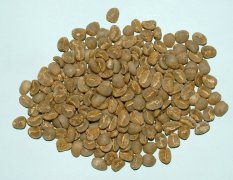
- Light Roast (aka Cinnamon Roast): This extremely light roast rarely appears outside of test roasts or mass-market canned coffee. At this stage, heat often doesn’t fully penetrate the bean core, risking underdevelopment. Beans may require a second pass to finish evenly. The surface is pale, tan to cinnamon in color, with visible spotting. Flavor is sharply acidic, with grassy, raw vegetal notes. Oil does not emerge on the surface.
- Half-City Roast (aka Light Medium / Light Roast): This is still a very light roast but slightly beyond basic light roast. Acidity is intense, and aromatics carry fresh, green qualities. Oils remain absent, and beans hold a matte appearance.
Medium Roast Range: First Crack to Early Second Crack
This range starts at the end of the first crack and continues up to the beginning of the second crack. It includes:
- Medium Roast (aka American Roast, City-Start Roast): Often used for classic American-style coffee and beans like Jamaican Blue Mountain. Cell structure is still firm, so oils haven’t surfaced yet. Acidity softens, and aroma develops smoothly. The beans take on a slight sheen but remain mostly dry. Common usage bridges light and more developed cups, preserving balance without heavy roast character.
City to Full City Roast: Mid-Stage Development
These roast levels begin midway through the gap between first and second crack and continue through the early moments of the second crack. They include:
- City Roast: Roasted just before the second crack begins. Often used for beans like Colombian or Brazilian origins. This stage is considered optimal by some roasters to express origin character alongside balanced roast flavors. Acidity remains present while body and sweetness develop.
- Full City Roast (aka Full City): Reached at the very start of the second crack. A favorite for showcasing the full potential of certain beans. Acidity is still noticeable, but body, sweetness, and roast complexity rise notably.
Dark Roast: Second Crack and Beyond
As roasting continues through and past the second crack, we enter darker territory:
- Vienna Roast (aka Light French / Mid-Stage Dark): Occurs in the latter part of the second crack, excluding just the first few seconds. Oils begin migrating to the bean surface. The color deepens toward brown and then bronze. Acidity drops off while bitterness, body, and roast tone rise. This is a challenging stage for roasters due to rapid flavor and color shifts.
- French Roast (aka High Roast / Dark Stage): Reached mid-to-late in the second crack. Acidity is nearly gone. Bitterness and smoky-sweet roast tones dominate. Beans appear shiny with oil. Common in espresso blends but can overpower origin character.
Italian Roast: The Final Stage
This is the darkest conventional roast level:
- Italian Roast (aka Dark French Roast): Roasted well after the second crack ends. Beans are nearly black, very oily, and emit a pungent, ashy smell. At this point, most original flavors are gone, replaced by carbonized, bitter notes. Italian roast is more about texture and roast sensation than origin identity. Notably, in Italy, this term isn’t actually used—highlighting how roast naming varies culturally.
Why Roast Level Matters for Flavor
Roast level dramatically influences what you taste. Light roasts preserve floral, fruity, and acidic notes but can taste sharp or underdeveloped. Medium roasts offer balance, with smoother acidity and developing caramel sweetness. Dark roasts emphasize bold body, bitterness, and roast flavors—but at the cost of origin complexity. Each level also affects how the bean looks, how oily it becomes, and how it extracts under different brew methods.
Frequently Asked Questions
What is the first crack in coffee roasting?
The first crack is the initial audible popping sound beans make as internal moisture turns to steam and expands violently, cracking the bean open. It usually occurs around 385°F–400°F (196°C–204°C) and signals the start of light roast territory. Roasting past this point but before the second crack gives you medium roasts.
What is the second crack in coffee roasting?
The second crack is a softer, more rapid series of cracking sounds caused by the breakdown of cellulose structures in the bean. It signals deeper roast development and the beginning of dark roasts. It typically starts around 435°F–445°F (224°C–229°C). Roasting into or beyond the second crack leads to French, Italian, and beyond.
Which roast level preserves the most origin flavor?
Light to medium roasts (up to full city) preserve the most origin-specific flavors—like fruit, flower, and tea notes—because they don’t overpower the bean with roast character. Light roasts like those used for FrontStreet’s Yirgacheffe or Ethiopia Humbera highlight bright acidity and delicate aromatics.
What roast level is best for espresso?
Most espresso is roasted to city, full city, or French levels. These roasts provide enough body, sweetness, and crema development while balancing acidity. Dark roasts like French or Italian are common in traditional espresso blends but can mute origin character.
Do darker roasts have more caffeine?
No, roast level does not significantly affect caffeine content. While darker roasts taste stronger, their actual caffeine levels remain similar to lighter roasts. Bean weight slightly decreases as roasting darkens, which can create the impression of stronger brews per gram.
Why do some beans look oily and others don’t?
Oil appears on the bean surface only at medium to dark roast levels (typically city and beyond), when internal pressure forces oils outward through the porous shell. Light roasts remain dry because the cell structure hasn’t broken down enough to release oils.
Recommended FrontStreet Beans for Light & Medium Roast Exploration
For exploring light to medium roast profiles, try FrontStreet’s Ethiopia Yirgacheffe (Gedeb), which highlights citrus, jasmine, and berry notes through a bright, clean cup; the Ethiopia Humbera offers tropical fruits like peach and passionfruit with a juicy body; and the Panama Boquete Geisha delivers floral, honey, and citrus layers ideal for showcasing origin character. All are roasted lightly to medium to preserve their unique profiles. Freshly roasted within 5 days · Orders placed before 17:00 ship the same day · Next-day delivery across most of Guangdong Province.
FrontStreet Coffee is a long-established specialty coffee roaster in Guangzhou China, selling freshly roasted beans from its own farm in Yunnan as well as dozens of carefully selected single-origin beans from around the world for both pour-over and espresso. The products deliver consistently excellent quality and great value, with shipping within 24 hours. Guangzhou's FrontStreet Coffee shop is recommended by many coffee lovers, and the beans are now available online at the Tmall 。
Important Notice :
前街咖啡 FrontStreet Coffee has moved to new addredd:
FrontStreet Coffee Address: 315,Donghua East Road,GuangZhou
Tel:020 38364473