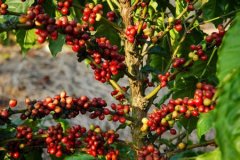
The History and Growth of Coffee Farming in Yunnan
When you hear about specialty coffee from China, it almost always means Yunnan. But how did this inland province become one of the world’s newer—and fastest-growing—coffee regions? The answer isn’t just about soil or climate. It starts with a single act over a century ago: a French missionary bringing coffee seeds across the border.
Yunnan now grows over 300,000 acres of coffee, produces 26,000 metric tons annually, and supplies over 90% of China’s entire coffee output—with a farmgate value near 400 million yuan.
The Origins: A Missionary and a Valley
The story begins in 1892, when a French missionary planted coffee seeds he had brought from abroad in a valley in Binchuan County, Yunnan. Those original plants thrived, and more than 30 of their direct descendants are still alive and producing fruit today. That early success proved coffee could grow in Yunnan—but it would take decades for larger cultivation to follow.
Mid-Century Expansion and Stabilization
Coffee farming in Yunnan began in earnest during the mid-1950s, reaching a planting area of 4,000 hectares (about 10,000 acres) at its peak then. By 1997, the total cultivated area had expanded to 7,800 hectares (nearly 20,000 acres). Since then, growth accelerated significantly, and today the province has surpassed 300,000 acres under coffee cultivation—an astonishing scale for a crop that wasn’t widely grown here just 70 years ago.
Where Coffee Grows Best in Yunnan
Yunnan’s ideal coffee-growing areas are concentrated in the southern and southwestern parts of the province. Key regions include Simao (now largely part of Pu'er), Xishuangbanna, Wenshan, Baoshan, and Dehong. These zones offer the right mix of elevation, climate, and soil conditions that allow arabica varieties—especially smaller-beaned types like Typica—to flourish. The region’s mountainous terrain and mild temperatures create microclimates perfect for slow cherry maturation, a key factor in developing complex cup profiles.
What Is Yunnan Arabica?
When people refer to “Yunnan small-bean coffee,” they’re usually talking about Yunnan-grown arabica. The term “small-bean” comes from the fact that Typica—the earliest arabica variety—and other traditional cultivars produce smaller coffee cherries and beans compared to some other species or hybrid varieties. This isn’t a separate species, but rather a naming tradition based on bean size and origin lineage. Yunnan’s coffee is almost entirely arabica, with Typica historically playing a foundational role, especially in early plantings like those initiated by missionaries and later expanded by state farms and private growers.

How Yunnan Coffee Took Root Nationally
The steady increase in both area and production turned Yunnan into the undisputed center of coffee in China. With over 90% of the country’s coffee grown in the province, Yunnan supplies not only domestic roasters but also an increasing share of green beans for export. Its scale, combined with improving farming practices and processing methods, has made Yunnan a recognized origin among international buyers—even if it’s still emerging in global specialty markets.
Frequently Asked Questions
When was coffee first planted in Yunnan?
Coffee was first planted in Yunnan in 1892 by a French missionary who introduced seeds from abroad. The plants were successfully cultivated in a valley in Binchuan County, and some direct descendants of those original plants are still growing and producing fruit there today—over 30 are still flowering and fruiting.
How much coffee does Yunnan produce?
Yunnan currently produces 26,000 metric tons (26,000,000 kg) of coffee per year. This production covers more than 300,000 acres of planted area, making up over 90% of China’s entire coffee output.
What regions in Yunnan grow the most coffee?
The main coffee-growing regions in Yunnan are located in the southern and southwestern parts of the province, including Simao (Pu’er), Xishuangbanna, Wenshan, Baoshan, and Dehong. These areas have the elevation, climate, and soil conditions best suited for growing arabica coffee.
What is Yunnan small-bean coffee?
“Yunnan small-bean coffee” generally refers to arabica coffee grown in Yunnan. The term comes from the smaller bean size of traditional arabica varieties like Typica, which were among the first to be planted in the region, particularly by French missionaries in the late 19th century.
Has coffee production in Yunnan grown steadily over the years?
Yes. Coffee farming began expanding in Yunnan during the 1950s, reached 4,000 hectares (around 10,000 acres) by the mid-century, grew to 7,800 hectares (nearly 20,000 acres) by 1997, and has since surpassed 300,000 acres, making it one of China’s largest agricultural exports.
Why is Yunnan suitable for coffee farming?
Yunnan’s mountainous terrain, mild temperatures, and elevations in regions like Xishuangbanna and Dehong provide ideal conditions for growing arabica. The climate allows for slow cherry development, which contributes to better flavor development in the coffee beans.
Recommended FrontStreet Beans for Exploring Yunnan Coffee
Start with FrontStreet’s Yunnan Arabica, a washed Yunnan Typica processed at medium roast to bring out its soft, nutty profile with hints of chocolate and balanced acidity. For a deeper dive, try their 2013 Natural Typica, made from heirloom Typica grown in Baoshan and processed with a classic dry method, highlighting deep berry, caramel, and dried apricot notes. Both are excellent entry points into Yunnan’s unique terroir. Freshly roasted within 5 days · Orders placed before 17:00 ship the same day · Next-day delivery across most of Guangdong Province.
FrontStreet Coffee is a long-established specialty coffee roaster in Guangzhou China, selling freshly roasted beans from its own farm in Yunnan as well as dozens of carefully selected single-origin beans from around the world for both pour-over and espresso. The products deliver consistently excellent quality and great value, with shipping within 24 hours. Guangzhou's FrontStreet Coffee shop is recommended by many coffee lovers, and the beans are now available online at the Tmall 。
Important Notice :
前街咖啡 FrontStreet Coffee has moved to new addredd:
FrontStreet Coffee Address: 315,Donghua East Road,GuangZhou
Tel:020 38364473