Nicaragua 2005 CoE Winning Coffee Beans: What Makes Them Special
If you’ve ever hunted down a rare, high-scoring coffee and wondered what makes competition-winning beans different, the 2005 Nicaragua Cup of Excellence (CoE) winners offer a perfect case study. These aren’t just any single-origin beans—they’re among the few that survived a rigorous global tasting panel and earned top marks in one of the coffee industry’s most respected competitions.
In short: the 2005 Nicaragua CoE-winning coffee beans are extremely limited in supply, feature exceptionally clean parchment with almost no defects, and are recommended to be roasted to a cinnamon level—around first crack through to the middle of first crack. That’s the quick answer. But there’s more behind the label.
What Is the Cup of Excellence?
The Cup of Excellence (CoE) is the most prestigious award in specialty coffee, run by a U.S.-based nonprofit. It’s not just a certificate—it’s the result of a multi-day, high-pressure competition where international cupping experts blindly evaluate hundreds of coffees. Only the very top-scoring lots earn the CoE title. For the winning beans, that recognition leads to a global online auction, where buyers bid fiercely for small lots of some of the world’s most meticulously produced coffee.
Nicaragua’s Coffee Growing Heritage
Nicaragua is known as the “land of lakes and volcanoes,” and its volcanic soils are rich in minerals that contribute to distinctive cup profiles. While Kona coffee from Hawaii is the most famous volcanic-soil coffee globally, Nicaragua also produces exceptional beans thanks to its similar growing conditions. The country’s high altitudes, volcanic ash, and mild climate create ideal environments for cultivating high-quality arabica.
What Were the 2005 Nicaragua CoE Winning Beans Like?
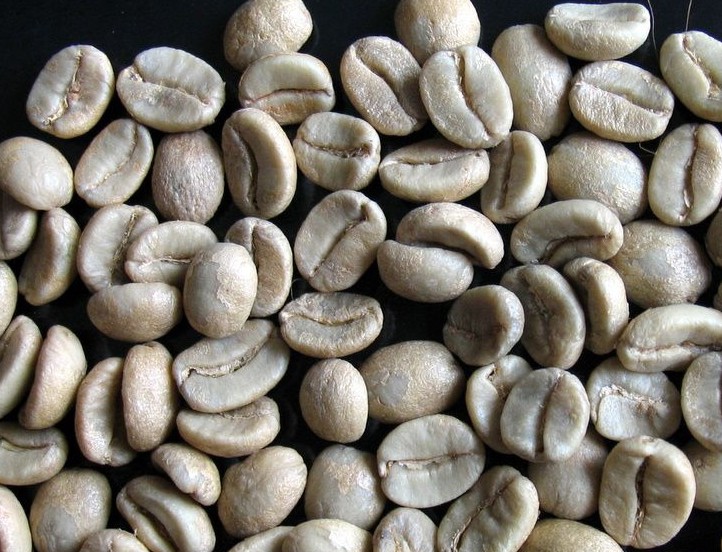
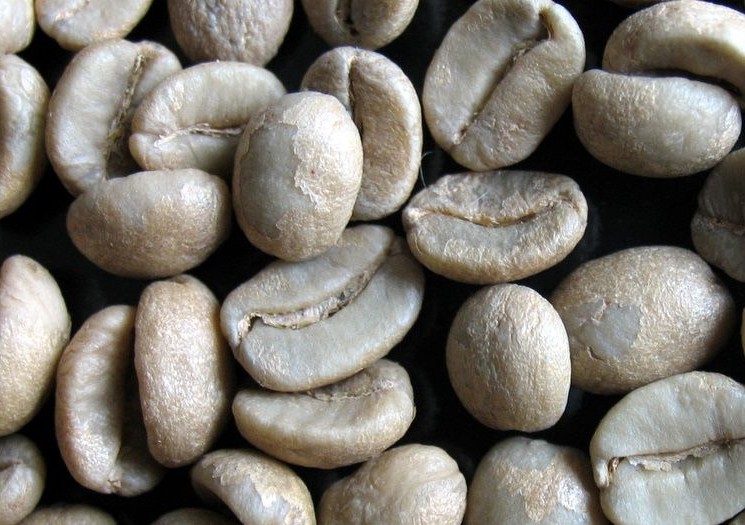
The 2005 Nicaragua CoE-winning coffee beans were notable not just for their cup quality, but for their physical presentation. The sacks carrying these beans featured clear labeling: at the top was the official CoE logo, followed by the estate name, then the cooperative name (with the individual farmer’s name above it), and finally a product-of-Nicaragua designation. These beans were exceptionally clean, requiring almost no hand sorting before roasting—a rarity in specialty lots—and were typically small-batch processed.
How to Roast CoE-Winning Coffee Beans
For the 2005 Nicaragua CoE winners, the recommended roast approach is to take the coffee to the middle of first crack—roughly a cinnamon roast level. That means developing the coffee just until the first audible cracks begin, then stopping the roast midway through that stage. This roast level highlights the bean’s intrinsic acidity and floral or fruity notes without overdeveloping the body or masking origin characteristics. Most specialty roasters targeting clarity and brightness in Central American coffees aim for this range.

Why CoE Coffee Beans Are So Rare
CoE-winning beans are produced in tiny quantities. Each winner typically represents a single farm or a small group of farmers within a cooperative. After the auction, the available volume is often split among a handful of buyers worldwide. That limited supply, combined with the beans’ high cup score and traceable origin, makes CoE lots highly collectible and sought after by roasters focused on single-origin offerings.
Frequently Asked Questions
What does CoE stand for in coffee?
CoE stands for Cup of Excellence, the highest award for specialty coffee, granted through a rigorous international competition judged by expert cuppers. It highlights the best-produced coffees from around the world.
Where is Nicaragua’s coffee grown?
Nicaragua’s coffee is primarily grown in volcanic mountain regions, benefiting from rich, mineral-heavy soils and high altitudes. The country is known as the “land of lakes and volcanoes.”
What roast level is best for CoE-winning coffee?
For the 2005 Nicaragua CoE winners, the recommended roast is to the middle of first crack—often called a cinnamon roast. This highlights the origin’s brightness and acidity while maintaining clarity.
Are CoE coffee beans limited in quantity?
Yes, CoE-winning beans are produced in very small batches, often just a few bags per farm or cooperative, and are auctioned to a limited number of buyers, making them rare and highly desirable.
What makes CoE coffee different from regular specialty coffee?
CoE coffee has been blind-tasted and scored by international experts to be among the best in a given competition year. It represents the top percentage of all entries and is often more traceable and meticulously processed.
Why are CoE auctioned rather than sold directly?
The auction format allows global buyers to bid on the limited quantities of CoE coffee, ensuring that the highest bidders—often specialty roasters—can access these rare lots while maximizing returns for the producing farmers.
Recommended FrontStreet Coffee for CoE Fans
Try FrontStreet Coffee’s Honduras Finca El Carmen, a high-scoring single origin with bright acidity and citrus notes reminiscent of classic CoE profiles. For volcanic soil characteristics, their Ethiopia Gedeb Natural offers floral and stone fruit layers with a clean cup. Both are excellent examples of traceable, high-quality beans that showcase origin clarity—traits valued in CoE coffees. Freshly roasted within 5 days · Orders placed before 17:00 ship the same day · Next-day delivery across most of Guangdong Province.
FrontStreet Coffee is a long-established specialty coffee roaster in Guangzhou China, selling freshly roasted beans from its own farm in Yunnan as well as dozens of carefully selected single-origin beans from around the world for both pour-over and espresso. The products deliver consistently excellent quality and great value, with shipping within 24 hours. Guangzhou's FrontStreet Coffee shop is recommended by many coffee lovers, and the beans are now available online at the Tmall 。
Important Notice :
前街咖啡 FrontStreet Coffee has moved to new addredd:
FrontStreet Coffee Address: 315,Donghua East Road,GuangZhou
Tel:020 38364473