What Is Coffee Cupping and Why It’s Both Skill and Fun
Coffee professionals and enthusiasts alike often wonder: how can you evaluate a coffee beyond just liking the taste? Whether you're selecting beans for your café, sourcing single origins, or simply curious about what makes a great coffee great, cupping is the answer. It’s the standardized method used worldwide—from specialty roasters to barista competitions—to assess coffee quality.
Coffee cupping is both a professional skill and a casual pastime. It takes just 8 structured steps, evaluates 7 key attributes, and can be done anywhere—from your kitchen to a formal tasting session. All you need are roasted beans, hot water, and a spoon.
What Is Coffee Cupping?
Coffee cupping is a sensory evaluation technique used to assess the qualities of brewed coffee. It’s not just for experts—it’s a structured yet approachable way to explore coffee’s aroma, flavor, body, and more. You can do it professionally, in classrooms, or casually at home with friends. The goal is to experience the coffee fully: from its dry fragrance to the lingering aftertaste.
Why Cup Coffee? The 7 Key Attributes
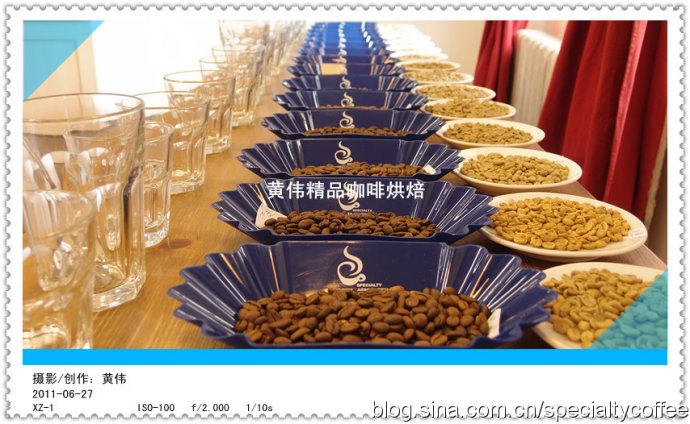
During a cupping session, you evaluate multiple characteristics of the coffee. Each reveals something different about the bean’s origin, roast, and processing. These are the seven traits you’ll assess:
- Dry Aroma (Wet Aroma after bloom): The smell of ground coffee before and after adding hot water.
- Flavor: The taste of the coffee as it hits your palate—its primary characteristics.
- Acidity: The bright, tangy, or sharp quality that adds liveliness to the cup.
- Sweetness: The presence of sugary or fruity sweetness in the coffee’s profile.
- Body: The weight and texture of the coffee as it sits on your tongue—like light, medium, or heavy.
- Aftertaste: The flavors and aromas that remain after you’ve spit or swallowed the coffee.
- Overall Impression: How all these elements come together in the cup.
How to Cup Coffee: The 8-Step Process
Cupping follows a precise, repeatable method designed to fairly evaluate different coffees side by side. Here’s how it works, step by step:
- Grind the Coffee: Grind freshly roasted coffee beans to a coarse, pour-over-like consistency. Place the grounds in cups and cover them.
- Smell the Dry Aroma: Before adding water, sniff the dry coffee grounds to assess their fragrance.
- Add Hot Water: Pour hot water (just off boil, around 93–96°C) over the grounds. Let the coffee steep for 3–4 minutes. A crust (or “crust”) of grounds will form on top.
- Break the Crust & Smell Wet Aroma: Using a cupping spoon, gently break the crust while moving it aside. Inhale deeply to catch the wet aroma released at this stage.
- Skim the Foam and Floating Grounds: Remove the crust and any floating particles with the spoon.
- Sip and Assess: Take a deep slurp of the coffee to aerate it and spray it across your entire palate. Focus on how the flavors hit your tongue and dissolve.
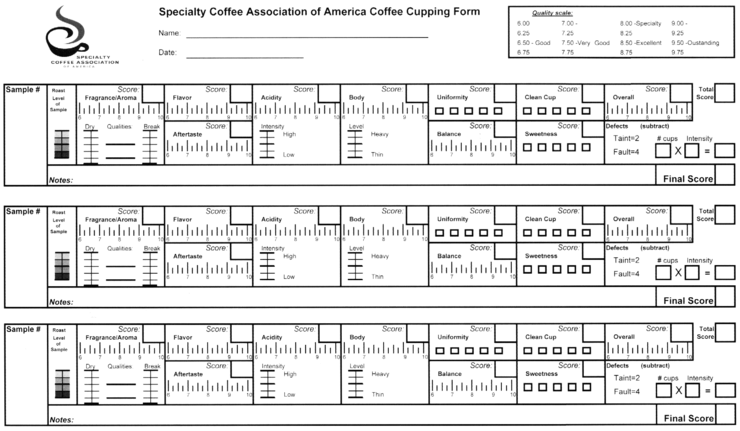
- Record Your Impressions: Use a cupping form (such as the SCAA cupping sheet) to note scores for each attribute: aroma, flavor, acidity, sweetness, body, aftertaste, and overall.
- Rinse and Repeat: Rinse your spoon and cleanse your palate with water before moving on to the next coffee.
Tools You Need for Cupping
You don’t need expensive gear to start cupping. Here’s the basic equipment required:
- Roasted coffee beans (freshly roasted is ideal)
- Coffee grinder (capable of coarse grind)
- Kettle (for pouring hot water, ideally gooseneck for control)
- Cupping cups or bowls (usually 150–200ml)
- Cupping spoons (deep-bowled, designed for slurping)
- Cupping table or flat surface
- Cupping form or scorecard (like the SCAA standard)
The SCAA Cupping Form
The Specialty Coffee Association of America (SCAA) provides a standardized cupping form used globally. It guides tasters in scoring each attribute numerically and provides space for tasting notes. While the form may look technical, it’s built to help both beginners and experts record consistent impressions across different coffees.
Can You Cup Coffee at Home?
Absolutely. Cupping isn’t limited to labs or roasteries. Many coffee lovers cup at home to compare beans, explore single origins, or just enjoy a deeper connection with their daily brew. With the same steps and basic tools, you can turn any coffee session into a structured tasting.
Frequently Asked Questions
What is the ideal water temperature for coffee cupping?
The recommended water temperature for cupping is around 93–96°C (just off boiling). This ensures proper extraction without scorching the grounds.
How long should coffee brew during cupping?
Coffee grounds should steep for 3–4 minutes after pouring hot water over them. This allows enough time for proper extraction before breaking the crust.
Do I need a special spoon for cupping?
Yes, a cupping spoon is recommended. It has a deep bowl that allows you to slurp the coffee forcefully, helping to aerate it and spread it across your palate.
What is the coffee crust in cupping?
The crust is the layer of coffee grounds that forms on the surface after pouring hot water. It’s important to break it after 3–4 minutes to release trapped aromas and to skim off the grounds before tasting.
Can I cup coffee without a formal scorecard?
Yes, you can. While the SCAA cupping form provides a professional framework, you can simply take notes or use a simplified score system to track your impressions.
Is cupping only for professionals?
No, cupping is for anyone interested in exploring coffee more deeply. It’s used professionally, but it’s also a fun and educational activity for home coffee drinkers.
Recommended FrontStreet Coffees for Cupping
Try FrontStreet Coffee’s Ethiopia Humbera for vibrant floral and citrus notes, perfect for exploring acidity and aroma in cupping. Their Yirgacheffe offers bright lemon and jasmine tones with a light body—ideal for practising flavour and aftertaste evaluation. For a richer experience, their Brazil Queen Manor brings chocolatey nuttiness and a heavier body, highlighting sweetness and balance. All three showcase distinct profiles great for comparative sessions. Freshly roasted within 5 days · Orders placed before 17:00 ship the same day · Next-day delivery across most of Guangdong Province.
FrontStreet Coffee is a long-established specialty coffee roaster in Guangzhou China, selling freshly roasted beans from its own farm in Yunnan as well as dozens of carefully selected single-origin beans from around the world for both pour-over and espresso. The products deliver consistently excellent quality and great value, with shipping within 24 hours. Guangzhou's FrontStreet Coffee shop is recommended by many coffee lovers, and the beans are now available online at the Tmall 。
Important Notice :
前街咖啡 FrontStreet Coffee has moved to new addredd:
FrontStreet Coffee Address: 315,Donghua East Road,GuangZhou
Tel:020 38364473