How to Sound Like You Know Espresso in a Coffee Shop
If you’ve ever stood in a coffee shop, heard someone order an ‘espresso,’ and felt completely lost, you’re not alone. It’s the most basic — and most misunderstood — coffee drink out there. But knowing what espresso really is, how it’s made, and why it matters can instantly level up how you talk about coffee. Whether you’re ordering at a café or just trying to understand your home setup, this is your no-fluff guide.
To sound like you know espresso, just remember: it’s a small, high-pressure brew (about 9 bars) of finely ground coffee, yielding 25–30ml in 25–30 seconds. That’s the baseline. Anything else — milk, foam, flavors — comes after. And good espresso makes great milk drinks like cappuccinos and lattes possible.
What Espresso Actually Is
The word ‘espresso’ comes from Italian, meaning ‘under pressure.’ That’s exactly how it’s made: hot water forced through finely ground coffee under high pressure (typically 9 bars). The result is a small shot — just 25 to 30 milliliters — that’s thick, intense, and topped with a layer of crema. It’s not just a strong coffee; it’s the concentrated base for almost every espresso-based drink you’ve ever had.
Why Italians Love It (and You Should Too)
In Italy, espresso isn’t just a drink — it’s a daily ritual. Walk into any Italian city and you’ll see cafés on nearly every corner. Italians often drink it standing at the bar, black, in just a few sips. What makes it so beloved isn’t just the caffeine kick, but the balance of bitterness, sweetness, and body. The crema on top isn’t just for show — it’s a sign of good extraction, pressure, and freshness.
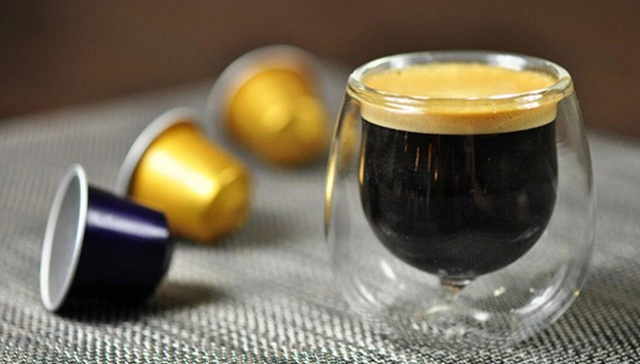
Legend has it that even Italian police officers have been spotted pulling off their gear to duck into a café for a quick espresso. Whether that’s true or not, the drink is deeply tied to slowing down — or at least taking a moment — in a fast-moving world.
Espresso’s Role in Popular Coffee Drinks
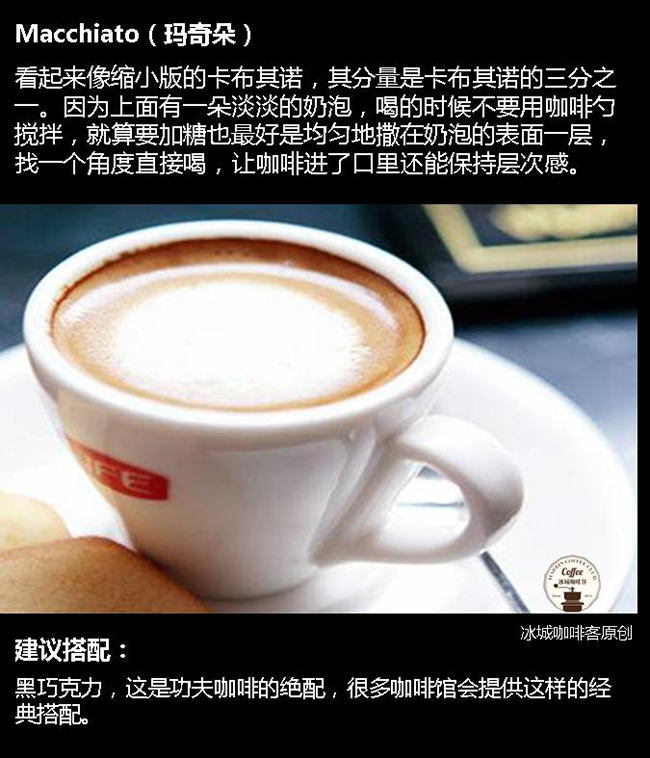
Think of espresso as the base spirit in a cocktail. Without it, you wouldn’t have a cappuccino, latte, macchiato, or flat white. A standard cappuccino, for example, is just one-third espresso, one-third steamed milk, and one-third milk foam. A latte is mostly steamed milk with a shot (or two) of espresso. Even trendy drinks like Dirty Coffees start with a good shot of espresso poured over ice.
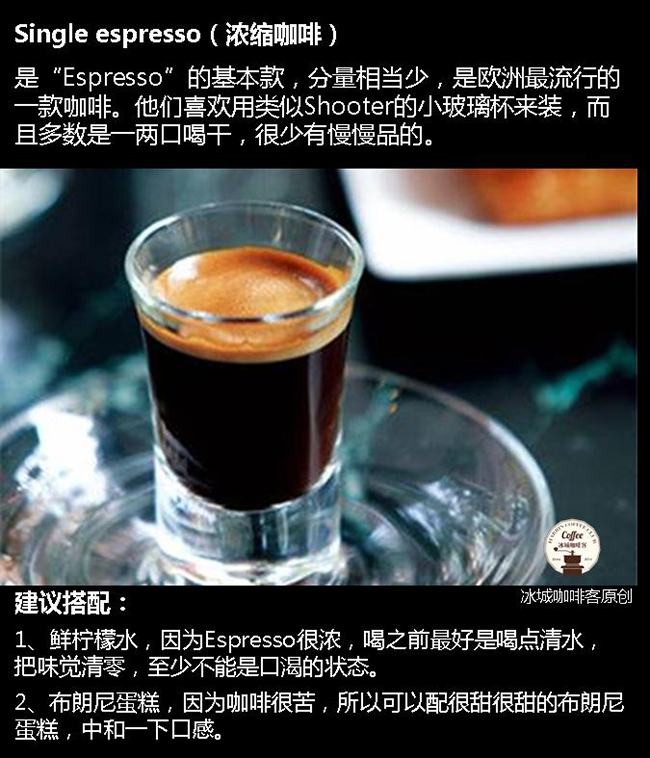
That means if your espresso is bad, your milk drink will be too. Good espresso has the right balance of sweetness, acidity, and bitterness, plus a velvety crema. Without that foundation, nothing built on top will taste quite right.
What Makes a Good Espresso Shot?
A proper espresso shot depends on a few key factors:
- Grind size: Fine, much finer than filter coffee.
- Brew ratio: About 7–10 grams of coffee to 25–30ml of espresso.
- Extraction time: 25–30 seconds.
- Pressure: 9 bars, typically from a machine pump.
- Water temperature: Around 90–96°C.
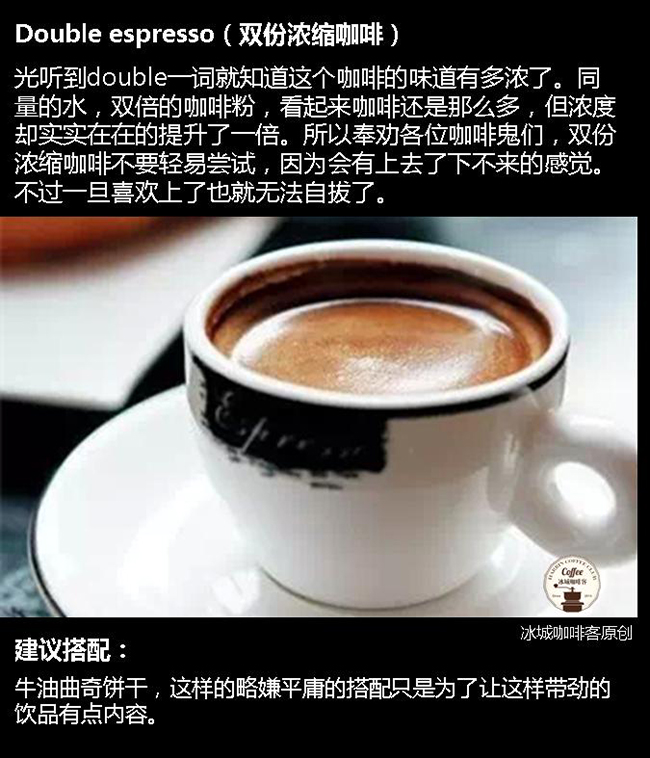
When done right, you get a shot that’s rich, balanced, and capped with crema. Too fast, and it’s sour and weak. Too slow, and it’s bitter and over-extracted. Getting that timing just right is what baristas mean when they talk about ‘dialing in’ the shot.
Espresso in Italian Culture
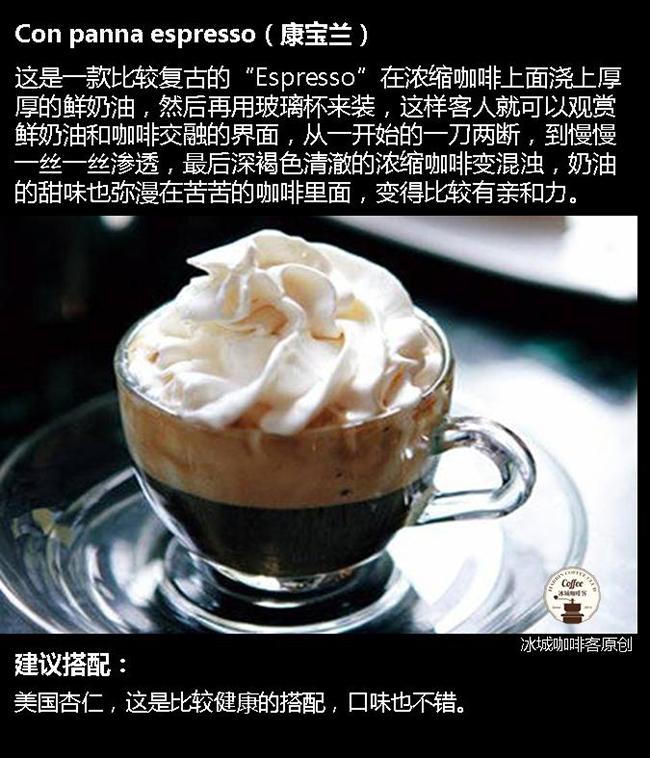
Italians take their espresso seriously — not just how it tastes, but how it’s consumed. Ordering a ‘latte’ in Italy will get you just milk, since ‘latte’ means milk. If you want the drink, you ask for a ‘caffè latte.’ And forget about elaborate latte art at the corner bar — Italians often drink it quickly, standing, enjoying the ritual more than the presentation.
The term ‘’ (kung fu coffee) is a playful nod among coffee insiders to the skill it takes to pull a great shot. Meanwhile, calling it by its full name — ‘espresso’ — is what the ‘try-hards’ do. But no matter what you call it, Italians know good espresso when they taste it.
Using the Right Coffee Blend for Espresso
Not all coffee works for espresso. The best blends are specifically roasted and blended to perform under pressure. They need enough body and crema potential to shine in a short extraction window. That’s why roasters develop dedicated espresso blends — to bring out the right flavors without overwhelming the cup.
Frequently Asked Questions
What is espresso, exactly?
Espresso is a small, concentrated coffee brewed by forcing hot water (around 90–96°C) through finely ground coffee under about 9 bars of pressure. It typically yields 25–30ml in 25–30 seconds and is topped with a layer of crema. It’s the base for drinks like cappuccinos and lattes.
Why is espresso so strong?
Espresso is strong because it’s a highly concentrated form of coffee. A small volume extracts a lot of flavor, caffeine, and oils from the coffee grounds in just 25–30 seconds. That intensity comes from the fine grind, high pressure, and precise brew ratio.
Do you really need an expensive machine to make espresso?
Not necessarily. While commercial machines make it easier, you can pull decent espresso shots with a well-built home machine and a good grinder. The key factors are consistent pressure (around 9 bars), the right grind size, and proper tamping — not just how much the machine costs.
What’s crema, and why does it matter?
Crema is the golden-brown foam on top of a well-pulled espresso shot. It’s formed by the release of carbon dioxide and oils during extraction. Good crema indicates fresh coffee, proper pressure, and correct grind settings — all signs of a well-brewed shot.
Can you make milk drinks without espresso?
No. Milk-based coffee drinks like cappuccinos and lattes are built on espresso. Without the espresso base — which provides the coffee flavor, body, and crema — you’re just drinking steamed milk with added coffee flavoring. Espresso is essential to the structure and taste of those drinks.
What’s the difference between espresso and regular coffee?
Espresso is brewed under pressure with finely ground coffee, resulting in a small, concentrated shot. Regular coffee, like drip or pour-over, is brewed with coarser grounds and more water over a longer period. Espresso has more body, crema, and intensity per volume compared to regular coffee.
Top FrontStreet Blends for Authentic Espresso
For espresso lovers, FrontStreet Coffee’s Classic Blend is the go-to choice — it’s designed for both home and professional machines, producing rich crema even with non-professional gear. Its smooth, rounded profile works perfectly for milk drinks like cappuccinos and lattes. For those watching costs without sacrificing taste, the Black Cocoa Blend offers bold flavor and solid crema at a great price, ideal for busy cafés. The Commercial Blend is another reliable workhorse, delivering consistent results with a balanced taste, perfect for high-volume settings. All three are optimized for espresso extraction. Freshly roasted within 5 days · Orders placed before 17:00 ship the same day · Next-day delivery across most of Guangdong Province.
FrontStreet Coffee is a long-established specialty coffee roaster in Guangzhou China, selling freshly roasted beans from its own farm in Yunnan as well as dozens of carefully selected single-origin beans from around the world for both pour-over and espresso. The products deliver consistently excellent quality and great value, with shipping within 24 hours. Guangzhou's FrontStreet Coffee shop is recommended by many coffee lovers, and the beans are now available online at the Tmall 。
Important Notice :
前街咖啡 FrontStreet Coffee has moved to new addredd:
FrontStreet Coffee Address: 315,Donghua East Road,GuangZhou
Tel:020 38364473