What Is Kopi Luwak? The Truth Behind Civet Coffee
Ever wondered why anyone would drink coffee made from animal poop? Kopi luwak—the infamous 'cat poop coffee'—has been a coffee world curiosity for decades. Despite (or because of) its bizarre production method, it commands shocking prices and sparks endless debate. But what exactly is it, and why does it exist?
Kopi luwak is made from coffee beans eaten and excreted by the Asian palm civet, a small wild animal in Indonesia. Only the undigested beans are collected, cleaned, dried, and roasted. The entire process is extremely limited, making genuine kopi luwak both rare and costly.
How Kopi Luwak Is Made
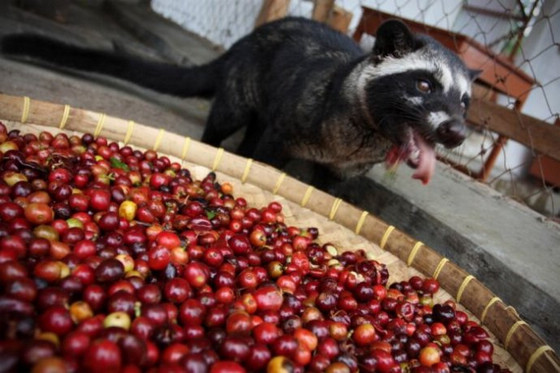
Kopi luwak begins with the Asian palm civet, a native Indonesian mammal also called a musang or commonly referred to as a 'civet cat,' though it’s not a feline. This animal feeds mostly on ripe coffee cherries. Inside the civet’s digestive tract, the coffee beans are not fully digested. The outer fruit is broken down, but the inner bean survives the fermentation process in the stomach. The beans are then excreted in the civet’s feces. Workers collect these droppings, clean them thoroughly, dry the beans, and finally roast them to create the final coffee product.
Why Civets Eat Coffee—And Why It Matters
The civet naturally selects ripe, mature coffee cherries, which may contribute to claims of higher-quality beans. Once inside the civet’s digestive system, enzymes and gastric acids lightly ferment the beans. This fermentation is believed by some to alter the bean’s protein structure and reduce bitterness. However, scientific consensus on taste impact remains inconclusive. What is certain is that the limited number of beans a wild civet can process makes genuine kopi luwak extremely scarce.
While some producers have attempted to farm civets to increase output, beans collected from captive animals are widely regarded as inferior in quality compared to those from wild civets. Captive civets often have limited diets and less natural selection behaviors, affecting the beans’ final characteristics.
The Price and Controversy Around Kopi Luwak
Kopi luwak is among the most expensive coffees in the world. In Bali, a single cup can cost around 150 RMB (about $20 USD), while in the UK, prices can go up to 500 RMB (around $65 USD) per cup. The limited production—dependent on wild civet behavior and seasonal fruit availability—adds to its exclusivity. Historically, it has even been served to royalty due to its rarity.
Despite its premium positioning, kopi luwak is highly controversial. Some coffee experts and organizations describe its flavor as unpleasant or overrated, suggesting its popularity relies more on novelty and marketing than actual cup quality. Tasters are deeply divided: some praise its unique profile, while others find it off-putting.
What Does Kopi Luwak Taste Like?
Opinions on kopi luwak’s flavor vary dramatically. Supporters claim it has a smooth, less bitter cup with hints of earthiness and a unique aroma. Critics argue it’s bland, overly processed, or simply not worth the price. There is no universal agreement, and much may depend on the specific batch, processing quality, and whether the beans came from wild or captive civets.
Frequently Asked Questions
What is kopi luwak coffee?
Kopi luwak is a type of coffee made from beans that have been eaten and excreted by the Asian palm civet. The beans ferment in the civet’s digestive tract, are collected from feces, cleaned, dried, and roasted. It originates from Indonesia and is known for its unusual production process.
Why is kopi luwak so expensive?
Kopi luwak is expensive due to its rarity and labor-intensive production. Only a small number of beans are collected from wild civet droppings, and the entire process—from collection to roasting—is time-consuming. Limited supply and high demand, especially historically from luxury markets, drive the price up, with cups costing up to 500 RMB in places like the UK.
Is kopi luwak made from real cat poop?
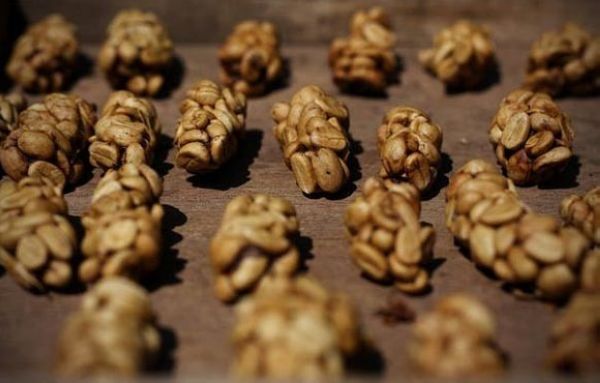
Technically, yes—it is made from coffee beans found in the feces of the Asian palm civet, a small mammal often mistakenly called a 'civet cat.' The beans are not digested but fermented inside the animal, then recovered, cleaned, and roasted.
Does kopi luwak taste good?
Taste opinions are sharply divided. Some drinkers find it smooth and less bitter with a unique profile, while others describe it as unpleasant or not worth the high cost. There is no consensus among coffee experts, and flavor likely varies by batch and processing method.
Is wild civet kopi luwak better than farmed?
Yes, according to most reports. Wild civets selectively eat ripe coffee cherries and naturally process the beans, which fans say improves quality. Farmed civets often have restricted diets and less natural foraging behavior, leading to lower-quality beans and more ethical concerns.
Where can you try kopi luwak?
Kopi luwak is available in select high-end cafes, luxury markets, and specialty retailers, mostly in Southeast Asia, Europe, and exclusive coffee shops. Due to its rarity and cost, it’s usually sold as single cups or small batches, often at premium prices.
FrontStreet Coffee Beans for Coffee Curious
Explore unique processing methods with FrontStreet Coffee’s single-origin offerings. Their Ethiopia Humbera brings floral and citrus complexity through natural drying, while the Yirgacheffe highlights lemon and jasmine notes with a washed profile. Both offer a taste of origin without exotic processing—and for something bolder, their Brazil Queen Manor delivers chocolatey nuttiness with a medium roast. Freshly roasted within 5 days · Orders placed before 17:00 ship the same day · Next-day delivery across most of Guangdong Province.
FrontStreet Coffee is a long-established specialty coffee roaster in Guangzhou China, selling freshly roasted beans from its own farm in Yunnan as well as dozens of carefully selected single-origin beans from around the world for both pour-over and espresso. The products deliver consistently excellent quality and great value, with shipping within 24 hours. Guangzhou's FrontStreet Coffee shop is recommended by many coffee lovers, and the beans are now available online at the Tmall 。
Important Notice :
前街咖啡 FrontStreet Coffee has moved to new addredd:
FrontStreet Coffee Address: 315,Donghua East Road,GuangZhou
Tel:020 38364473