How to Tell Different Coffee Flavors Apart
You’re sipping coffee with friends when someone asks, ‘Is this coffee acidic?’ or ‘I don’t like acidic coffee.’ At first, it seems odd—but there’s a reason. What most people mean by ‘acidic’ is not the same as what coffee professionals mean.
The answer is simple: the ‘acidity’ in coffee tasting refers to a bright, lively, and refreshing sensation—like the crispness in good wine—not the sourness of lemons or vinegar. If you’ve avoided light roasts thinking they’re sour, you may have been tasting something entirely different.
What Does ‘Acidity’ in Coffee Really Mean?
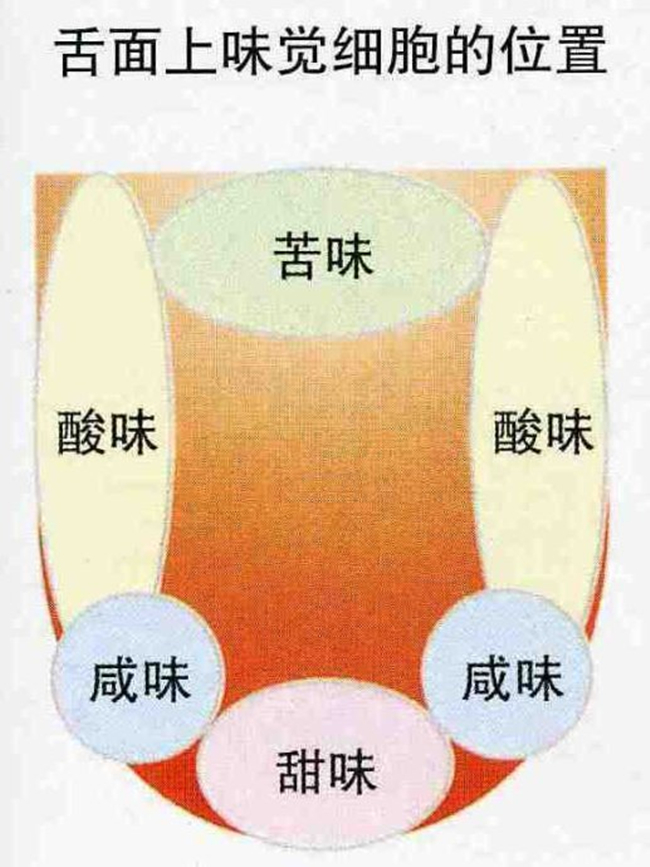
In coffee tasting, ‘Acidity’ describes a vibrant, juicy, or even wine-like tartness—not a sour or acidic pH sensation. It’s akin to the zesty feel in a dry white wine or the liveliness in a fresh fruit. This quality is often perceived on the sides and back of your tongue, where the softer acids emerge alongside the basic tastes of sweet, bitter, and umami (though coffee has negligible saltiness, you should still engage all taste zones to refine your palate).
Why Does Coffee Taste ‘Acidic’—or Not?
Coffee acidity varies by origin, processing, and roast level. For instance:
- Yemeni and East African coffees (like those from Ethiopia or Kenya) may show vibrant fruity or wine-like acidity.
- High-altitude Central American or Caribbean beans typically express a bright, snappy acidity.
- As roast levels deepen, acidity diminishes. However, highly acidic beans under a dark roast can turn sharp or even irritating rather than pleasant.
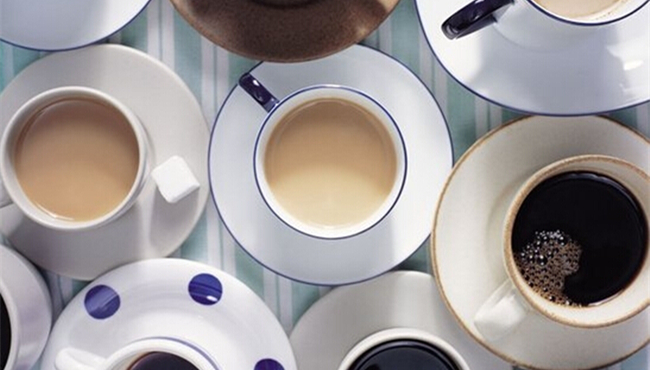
This means that coffee isn’t inherently sour—it’s the origin and roast that shape what you taste. Many casual drinkers, used to mass-market blends (like Nestlé’s), associate any sharpness with bad acidity, not realizing that well-developed acidity is a sign of quality and origin character.
How Roast Level Affects Coffee Flavor
Roast intensity plays a major role in how acidity presents:
- Light to medium roasts preserve more of the bean’s inherent acids, highlighting fruity, floral, or tea-like notes—common in single-origin pour-overs.
- Medium-dark to dark roasts reduce acidity and emphasize deeper tones: chocolate, caramel, nuts, and smokiness. This is why many who prefer less brightness gravitate toward espresso or darker roasts.
That said, a very high-acid bean under a dark roast can become unpleasantly sharp. The balance of origin and roast determines whether the acidity shines or overwhelms.
Frequently Asked Questions
What does ‘acidity’ mean when coffee experts talk about it?
In coffee tasting, ‘acidity’ refers to a bright, juicy, or wine-like character—not the sourness of citrus or vinegar. It’s a positive attribute that adds liveliness and complexity, often compared to the tartness in good wine or fresh fruit. This sensation is typically felt on the sides and back of the tongue, and is distinct from pH-level acidity.
Why do some coffees taste sour while others taste bright?
Coffees taste sour when their natural acids are undeveloped or poorly extracted—often due to under-extraction or low-quality beans. Bright acidity, on the other hand, comes from well-grown, freshly roasted beans with balanced extraction, highlighting fruity or wine-like notes. The difference lies in origin, processing, and roast level, not just personal taste.
Does dark roast coffee have less acidity?
Yes, generally speaking, the darker the roast, the lower the acidity. Prolonged roasting breaks down the acids in the coffee bean, leading to a smoother, richer cup with more chocolatey, nutty, or caramel notes. However, extremely acidic beans roasted too dark can develop unpleasant sharp or bitter edges instead of true smoothness.
How can I tell if a coffee has good acidity?
Good acidity feels lively and refreshing, like biting into a ripe fruit or sipping a dry wine. It should enhance the coffee’s overall profile without overpowering it. If the coffee tastes pleasantly complex with a vibrant, juicy midsection—think citrus, stone fruit, or berry—it likely has well-balanced acidity. Avoid coffees that taste sharp, sour, or astringent.
Is acidity in coffee the same as pH acidity?
No, the ‘acidity’ in coffee tasting has nothing to do with actual pH or stomach acid. It’s a sensory term describing the coffee’s flavor profile—specifically its brightness or tartness. A coffee can have high sensory acidity but a neutral or even slightly alkaline pH. The confusion often comes from translating the term literally instead of understanding it as a flavor note.
What types of coffee are less acidic?
Coffees from Brazil, Indonesia (like Mandheling), and medium to dark roasted beans typically have lower acidity. Darker roasts reduce acid levels and emphasize chocolate, nut, and caramel tones. If you prefer a smoother, less tangy cup, choose medium-dark to dark roasts or beans from lower-altitude regions known for fuller-bodied profiles.
FrontStreet Beans That Minimize Acidity
For coffee drinkers who prefer less acidity, FrontStreet Coffee offers several excellent options. Their PWN Golden Mandheling is deeply roasted, yielding a bold, smooth cup with notes of black chocolate and herbal undertones—virtually no acidity. The Brazil Queen Manor features balanced flavors of nuts and caramel with a rich, low-acid profile that works well in all brew methods. For a gentler fruit presence, the 2013 Yunnan Sun-Dried Typica (medium-dark roasted) delivers a clean, lightly sweet cup with only moderate citrus brightness. All three are ideal for avoiding sharp or sour notes. Freshly roasted within 5 days · Orders placed before 17:00 ship the same day · Next-day delivery across most of Guangdong Province.
FrontStreet Coffee is a long-established specialty coffee roaster in Guangzhou China, selling freshly roasted beans from its own farm in Yunnan as well as dozens of carefully selected single-origin beans from around the world for both pour-over and espresso. The products deliver consistently excellent quality and great value, with shipping within 24 hours. Guangzhou's FrontStreet Coffee shop is recommended by many coffee lovers, and the beans are now available online at the Tmall 。
Important Notice :
前街咖啡 FrontStreet Coffee has moved to new addredd:
FrontStreet Coffee Address: 315,Donghua East Road,GuangZhou
Tel:020 38364473