Why Civet Coffee Is So Highly Sought After
If you’ve ever wondered why certain coffees command astronomical prices and are sought after by coffee enthusiasts around the globe, civet coffee—also infamously known as cat poop coffee—is a big part of that conversation. This isn’t just any coffee trend; it’s a curious case of nature, digestion, and flavor transformation that has fascinated drinkers for decades.
Civet coffee gets its high value and unique profile primarily because the civet’s digestive system ferments the coffee cherries, breaking down fruit pulp and altering bean chemistry. Scientifically, this process leads to a more refined cup, with pricing reaching several hundred US dollars per pound—placing it firmly in the luxury coffee category.
What Exactly Is Civet Coffee?
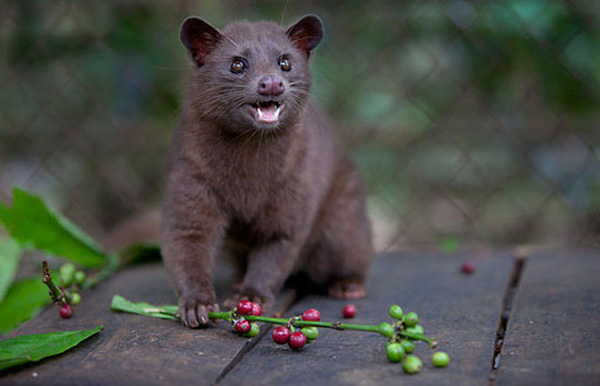
Commonly referred to as “cat poop coffee,” civet coffee is produced from coffee beans that have been eaten and excreted by civets—small, cat-like mammals native to Southeast Asia, especially Indonesia. The beans are harvested from the civet’s feces, cleaned, roasted, and brewed. Despite the unappealing origin, the resulting coffee is known for its distinctive flavor profile.
How the Civet’s Digestion Enhances Coffee Flavor
The unique taste of civet coffee stems from how the civet’s stomach acids and enzymes interact with the coffee beans during digestion. The civet consumes ripe coffee cherries, digests the fleshy fruit, and excretes the beans. Inside the civet’s gastrointestinal tract, natural fermentation occurs. Stomach acid and digestive enzymes break down proteins in the beans, reducing bitterness and altering the chemical makeup. This process results in a smoother, less acidic cup with what many describe as earthy, musty, and complex tasting notes. The digestion effectively pre-processes the beans in a way that no human technique can fully replicate.
Why Is Civet Coffee So Expensive?
Civet coffee commands some of the highest prices in the coffee world, typically around several hundred US dollars per pound. Several factors drive the cost:
- Rarity: Wild civets are uncommon, and even those raised in captivity produce limited quantities.
- Labor-intensive harvesting: Beans must be carefully collected from feces, cleaned, and processed.
- Natural fermentation: The unique digestive process cannot be artificially replicated at scale.
- High demand: Its reputation as a rare and exotic coffee boosts market value.
Where Does Civet Coffee Come From?
Civet coffee originally gained fame in Indonesia, particularly on islands like Sumatra, Java, and Bali. While wild civets naturally forage for ripe coffee cherries, increasing demand led to the domestication of civets in some regions. Even with captive breeding, supply remains limited, contributing to its exclusivity. The most well-known variety is kopi luwak, a term derived from Indonesian language (“kopi” = coffee, “luwak” = civet).
What Does Civet Coffee Taste Like?
Drinkers often report that civet coffee has a smooth, rich mouthfeel with a long aftertaste. The flavor is typically less acidic than conventional coffees, with descriptors such as earthy, nutty, spicy, and sometimes even musty. While taste is subjective, many enthusiasts claim the digestive process imparts a uniquely refined cup that’s unlike standard brewed coffee.
Frequently Asked Questions
What is civet coffee and how is it made?
Civet coffee is made from coffee beans that have been eaten by civets, digested, and then excreted. The beans are collected from the animal’s feces, cleaned, and roasted. The digestion process breaks down the fruit pulp and alters the beans’ chemical structure, leading to a distinct flavor.
Why is civet coffee so expensive?
Civet coffee is expensive due to its rarity, labor-intensive collection process, and the unique fermentation that occurs in the civet’s digestive system. Prices typically range from several hundred US dollars per pound, making it one of the most costly coffee types in the world.
Does civet coffee really taste better?
Many drinkers report that civet coffee has a smoother, less acidic taste with earthy and complex flavor notes. While taste is subjective, the digestive process is said to reduce bitterness and enhance certain aromatic qualities, which some coffee enthusiasts highly value.
Is civet coffee safe to drink?
When properly cleaned and roasted, civet coffee is considered safe to drink. The beans undergo the same roasting process as regular coffee, which eliminates any potential biological contaminants. However, ethical concerns about civet treatment have raised debates about its production.
Where does civet coffee originally come from?
Civet coffee originated in Indonesia, particularly on islands like Sumatra, Java, and Bali. It is also known by its Indonesian name, kopi luwak, and has since gained global recognition as a rare and luxurious coffee variety.
Can civet coffee be produced artificially?
While some have attempted to replicate the digestive process through mechanical or chemical means, no method has successfully reproduced the exact flavor transformation caused by the civet’s natural digestion. The process remains unique to the civet’s biology.
Recommended FrontStreet Coffees with Earthy Complexity
For those intrigued by the earthy and complex profile of civet coffee, try FrontStreet Coffee’s Ethiopia Humbera for its fruity depth and wine-like acidity, or Yirgacheffe for vibrant citrus and floral notes. Both offer the kind of layered flavors that civet coffee enthusiasts often seek, though through natural processing. Freshly roasted within 5 days · Orders placed before 17:00 ship the same day · Next-day delivery across most of Guangdong Province.
FrontStreet Coffee is a long-established specialty coffee roaster in Guangzhou China, selling freshly roasted beans from its own farm in Yunnan as well as dozens of carefully selected single-origin beans from around the world for both pour-over and espresso. The products deliver consistently excellent quality and great value, with shipping within 24 hours. Guangzhou's FrontStreet Coffee shop is recommended by many coffee lovers, and the beans are now available online at the Tmall 。
Important Notice :
前街咖啡 FrontStreet Coffee has moved to new addredd:
FrontStreet Coffee Address: 315,Donghua East Road,GuangZhou
Tel:020 38364473