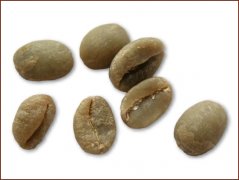
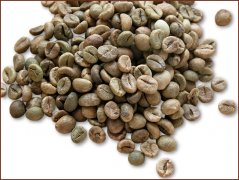
What Is Mandheling Coffee? Indonesia’s Bold Single Origin
If you’ve ever sipped a dark, syrupy Indonesian coffee with almost no acidity but tons of body—maybe even enjoyed it with milk—you’ve likely had a Mandheling. But what makes this coffee so distinctive? Why do coffee drinkers across Asia—and increasingly worldwide—seek it out? Let’s break down where it comes from, how it’s processed, and what gives it that unforgettable mouthfeel.
Mandheling coffee is a single-origin bean grown in Sumatra, Indonesia. It’s known for its full body, low acidity, thick texture like syrup, and earthy, spicy flavours. Most Mandhelings are dark roasted, though high-quality versions shine at lighter levels too. Key traits include a heavy mouthfeel, minimal brightness, and notes of wood, spice, or dried fruit.
Where Does Mandheling Coffee Come From?
Mandheling coffee is grown on the island of Sumatra in Indonesia, primarily in two regions: Aceh (especially around Lake Tawar and the Gayo Mountains) and North Sumatra’s Lintong area near Lake Toba. Though “Mandheling” is a historical trade name with no direct ethnic link, it became associated with high-quality Sumatran Arabica. Today, most beans labelled Mandheling come from these high-elevation zones, where volcanic soils and cool temperatures support slow maturation.
How Is Mandheling Processed? The Wet Hulling (Giling Basah) Method
Sumatra’s frequent rain makes traditional sun drying unreliable. To adapt, farmers developed a unique method called wet hulling—or in Indonesian, giling basah. Here’s how it works: after harvest, coffee cherries are depulped and briefly washed. The beans (still coated in mucilage) are dried only until they reach a semi-dry state, around 30–50% moisture. Then, before fully drying, the outer parchment layer is removed while the beans are still soft. This exposes the green beans directly to air, speeding up the final drying phase. The result? A distinctively earthy, herbal profile with low acidity and a heavy body—traits that define Mandheling’s cup character.
What Does Mandheling Taste Like?
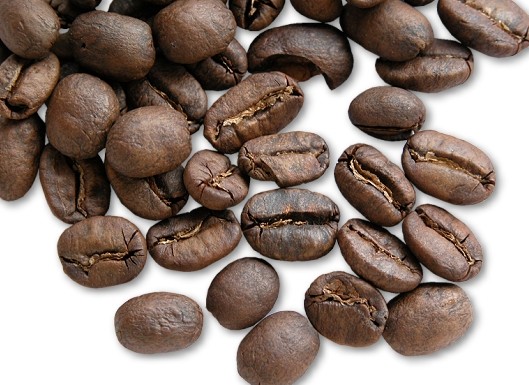
Most Mandheling coffees present a low-acid, full-bodied cup. Expect a thick, syrupy mouthfeel, often compared to molasses or warm honey. Flavour notes commonly include wood, spice, dried herbs, or even hints of dark chocolate. Acidity is minimal, and the aftertaste can linger with the firm, tannic finish of Bordeaux wine. When dark roasted, Mandheling develops deeper notes of leather, tobacco, and soil, along with a strong, lingering bitterness balanced by mild sweetness. It’s a coffee built for texture and body over brightness.
The classic cup profile includes:
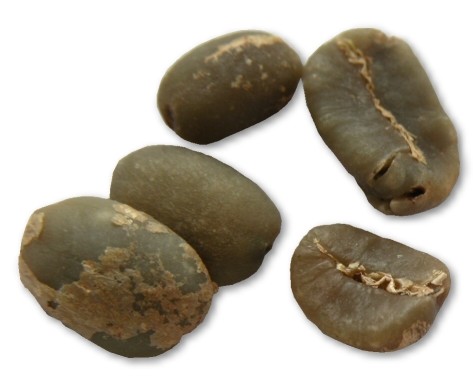
- Body: Very full (rated 5/5)
- Acidity: Very low (rated 2/5)
- Balance: Excellent (rated 5/5)
PWN Golden Mandheling: The Premium Standard
Among Mandheling coffees, PWN Golden Mandheling stands apart. Produced by Indonesia’s PWN company, it’s made to exacting standards: only beans sized 18 mesh or larger are selected, and every 300g sample must have fewer than 3 defects to qualify as Grade 1 (G1). The beans undergo three rounds of manual sorting to remove all flaws, resulting in exceptional cleanliness and a pronounced sweetness. These strict criteria make Golden Mandheling notably cleaner and sweeter than standard Mandheling, with more pronounced floral or nutty notes and a smoother finish. It’s highly sought after in Japan and the U.S., and imports to China are limited—making it a rare find for specialty roasters.
Another common Sumatran offering is Lintong Mandheling, typically processed with the same wet hulling method. It tends to express deeper spice tones, herbal aromas, and a heavier mouthfeel, especially when roasted to medium-dark or darker levels. Notes of clove, wood, and a minty bitterness are common, along with a thick, lingering sweetness.
Frequently Asked Questions
What is Mandheling coffee?
Mandheling is a trade name for high-quality Arabica coffee grown in Sumatra, Indonesia. It’s known for its full body, low acidity, and earthy, spicy flavours. The name doesn’t refer to a specific variety or ethnic group, but to a historical export designation linked to the region.
Where is Mandheling coffee grown?
Mandheling coffee comes primarily from Sumatra’s Aceh region (around Lake Tawar and the Gayo Mountains) and North Sumatra’s Lintong area near Lake Toba. These high-altitude zones feature volcanic soils and cool climates ideal for slow coffee cherry development.
What processing method is used for Mandheling?
Most Mandheling coffee is processed using the wet hulling (giling basah) method. After depulping and brief washing, beans are dried to a semi-wet state, then hulled before fully drying. This speeds up processing in Sumatra’s rainy climate and contributes to the coffee’s signature heavy body and low acidity.
What does Mandheling coffee taste like?
Mandheling typically has a thick, syrupy mouthfeel with very low acidity. Flavours include wood, spice, dried herbs, and dark chocolate. Dark roasts bring out leather, tobacco, and soil notes, with a bitter-sweet finish reminiscent of Bordeaux wine.
What is PWN Golden Mandheling?
PWN Golden Mandheling is a premium-grade Mandheling produced by Indonesia’s PWN company. It uses only 18 mesh+ beans with fewer than 3 defects per 300g, and undergoes three manual sorts. The result is a cleaner, sweeter cup with more pronounced nutty or floral notes and a smoother profile compared to standard Mandheling.
Is Mandheling good for milk drinks?
Yes. Due to its low acidity, thick body, and syrupy texture, Mandheling is an excellent choice for milk-based drinks like lattes or cappuccinos. Its earthy and spicy flavours complement steamed milk well, making it popular in Asia for such preparations.
Recommended FrontStreet Beans for Mandheling Fans
FrontStreet Coffee offers two standout Sumatran beans that exemplify Mandheling qualities. The PWN Golden Mandheling is meticulously sorted for grade 1 quality, featuring a clean cup with pronounced sweetness, floral and nutty notes, and a smoother profile—ideal for those seeking a refined take on Mandheling. For a more traditional experience, try the Lintong Mandheling, processed with wet hulling to deliver deep spice, wood, and herbal tones, especially in medium-dark roasts, with a thick body and long-lasting sweet bitterness. Both beans showcase Sumatra’s signature boldness and are perfect for espresso or milk drinks. Freshly roasted within 5 days · Orders placed before 17:00 ship the same day · Next-day delivery across most of Guangdong Province.
FrontStreet Coffee is a long-established specialty coffee roaster in Guangzhou China, selling freshly roasted beans from its own farm in Yunnan as well as dozens of carefully selected single-origin beans from around the world for both pour-over and espresso. The products deliver consistently excellent quality and great value, with shipping within 24 hours. Guangzhou's FrontStreet Coffee shop is recommended by many coffee lovers, and the beans are now available online at the Tmall 。
Important Notice :
前街咖啡 FrontStreet Coffee has moved to new addredd:
FrontStreet Coffee Address: 315,Donghua East Road,GuangZhou
Tel:020 38364473