The History and Types of Coffee Latte Art
If you’ve ever wondered how baristas create those stunning leaf and heart designs on your morning cappuccino or latte, you’re not alone. Latte art is one of the most visually striking parts of the specialty coffee experience — but where did it come from, and how did it grow into the skill we admire today?
In short: latte art began as a high-difficulty showpiece in Western coffee competitions. Though its exact origin is undocumented, it quickly captivated audiences with its technical difficulty and visual appeal. Over time, it evolved into a craft that combines visual beauty with milk texture and flavor balance.
What Is Coffee Latte Art?
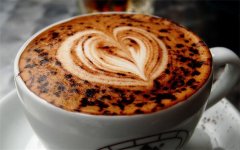
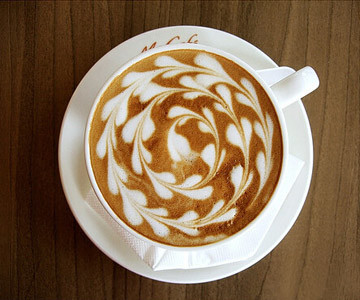
Coffee latte art refers to the decorative designs made on the surface of espresso-based drinks like cappuccinos and lattes, primarily by manipulating steamed milk. These designs are formed through the careful pouring and manipulation of microfoam — the velvety, small-bubbled steamed milk essential to latte art. Far beyond just visuals, great latte art depends on achieving the right milk texture, ideal espresso crema, and precise pouring technique to unify flavor, aroma, and appearance.
The Origins of Latte Art
There’s no definitive historical record pinpointing the exact birth of latte art. However, it’s widely agreed that the practice began in Europe and North America as part of professional coffee performances. Baristas showcased latte art as a complex skill during demonstrations, astonishing early audiences and industry professionals alike. These early performances highlighted not only the aesthetic possibilities of milk and espresso but also helped establish latte art as a symbol of coffee craftsmanship.
From the beginning, latte art captured public attention. The intricate patterns and the skill required to create them made it a standout element of the coffee experience. Over time, as milk texturing techniques and espresso quality improved, the focus expanded beyond just the visual to include the mouthfeel and overall flavor harmony of the drink.
Two Main Techniques: Pouring (Latte Art) and Etching (Etched Art)
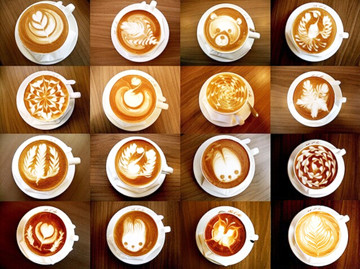
Modern latte art falls into two primary categories: latte art (pouring) and etching (also called ‘sculpting’ or ‘drawing’).
1. Latte Art (Pouring Technique)
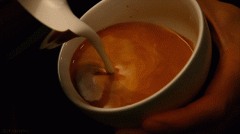
This is the classic form where steamed milk with microfoam is poured directly into a shot of espresso. By controlling the speed, angle, and flow of the pour, baristas create patterns such as hearts, leaves (roses), and tulips during the pour. The key lies in the contrast between the white foam and the dark espresso crema, allowing the design to emerge naturally from the merging of the two liquids.
2. Etching (Sculpted or Drawn Art)
Unlike pouring, etching involves using tools like a latte art needle or even chocolate syrup to draw or sculpt finer details onto the coffee’s surface after pouring. This allows for more intricate and controlled designs — including detailed human faces or cartoon characters. The milk foam or added medium (like chocolate) is manipulated manually to ‘draw’ the image, enabling an entirely different creative process that extends the possibilities of what can be achieved on a coffee cup.
Today, both techniques are staples in coffee shops and competitions around the world. While pouring remains faster and more integrated with the drink’s making, etching showcases extreme precision and extended artistic effort.
Latte Art in Coffee Culture and Competitions
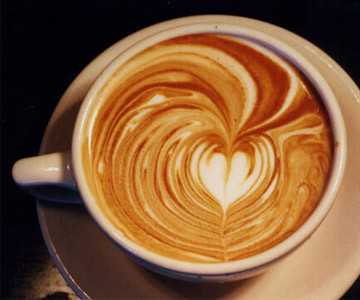
Latte art has grown from a niche performance skill into a standardized element of professional barista training and coffee competitions. Many global and regional barista championships — including the World Barista Championship — include latte art as either a key judging criterion or a required skill demonstration. Its presence in competition underscores its importance not only as visual art but also as a reflection of a barista’s control over milk texture, espresso extraction, and pouring finesse.
Numerous coffee-focused books, especially those originating in Europe, Japan, and the United States, have dedicated chapters or entire volumes to teaching latte art basics. These guides often feature latte art designs on their covers, signaling its symbolic value as the visual language of skilled coffee preparation.
Frequently Asked Questions
What is the difference between latte art and etching?
Latte art is created by pouring steamed milk with microfoam directly into espresso to form patterns like hearts or leaves during the pour. Etching, on the other hand, involves manually drawing or sculpting designs on the coffee’s surface using tools like a latte art needle or chocolate syrup after the drink is poured. Etching allows for more intricate and detailed imagery, such as faces or cartoons.
When did latte art become popular?
Latte art gained attention in the late 20th century, originating as a performance skill in coffee shows across Europe and North America. While its exact beginnings are unclear, it became widely recognized and admired for its technical difficulty and striking visuals in the decades that followed.
Do you need special equipment to make latte art?
To create basic latte art, you need an espresso machine with a good steam wand for producing microfoam, fresh coffee beans for a stable crema, and the right pouring technique. For etching, additional tools like a latte art needle or chocolate syrup may be used. No special equipment is required beyond standard coffee preparation tools.
Is latte art only for professionals?
No, latte art is practiced by baristas at all levels, from beginners to professionals. Many home baristas also learn pouring techniques to enhance their coffee experience. With practice, anyone can learn to pour basic designs like hearts or tulips.
Why is milk texture important for latte art?
Milk texture is critical because latte art relies on microfoam — steamed milk with fine, velvety bubbles. Properly textured milk blends smoothly with espresso crema, allowing designs to form cleanly and hold their shape. Poorly textured milk leads to uneven pours, blurred designs, or failed pours altogether.
Recommended FrontStreet Coffee Blends for Latte Art Practice
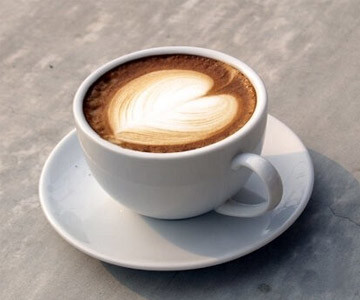
For home baristas practicing latte art, FrontStreet Coffee offers several reliable blends. The Classic Blend is a medium-dark roasted mix from three origins, with added Robusta for enhanced crema and body — it produces bold flavors of butter, toast, and caramel, with stable extraction ideal for beginners. The Specialty Blend pairs Colombian and Brazilian beans for nutty, chocolatey notes, offering smooth, creamy milk drinks with visible crema. For aspiring shop owners or serious learners, the Commercial Blend includes a touch more Robusta to boost texture and richness, ensuring thick latte crema and easy pour stability. All three are designed for espresso-based drinks and optimized for milk coffee applications. Freshly roasted within 5 days · Orders placed before 17:00 ship the same day · Next-day delivery across most of Guangdong Province.
FrontStreet Coffee is a long-established specialty coffee roaster in Guangzhou China, selling freshly roasted beans from its own farm in Yunnan as well as dozens of carefully selected single-origin beans from around the world for both pour-over and espresso. The products deliver consistently excellent quality and great value, with shipping within 24 hours. Guangzhou's FrontStreet Coffee shop is recommended by many coffee lovers, and the beans are now available online at the Tmall 。
Important Notice :
前街咖啡 FrontStreet Coffee has moved to new addredd:
FrontStreet Coffee Address: 315,Donghua East Road,GuangZhou
Tel:020 38364473