Kenya Nyeri AA Tegu Coffee Review
If you’ve ever brewed a Kenyan coffee expecting a bright fruit bomb, only to get something flat or muted, you’re not alone. Many roasters struggle to balance Kenya’s hallmark acidity with its rich body and layered sweetness—especially once second crack begins. But can a Kenyan still shine after entering the second crack? This roast of Kenya Nyeri AA Tegu proves it can.
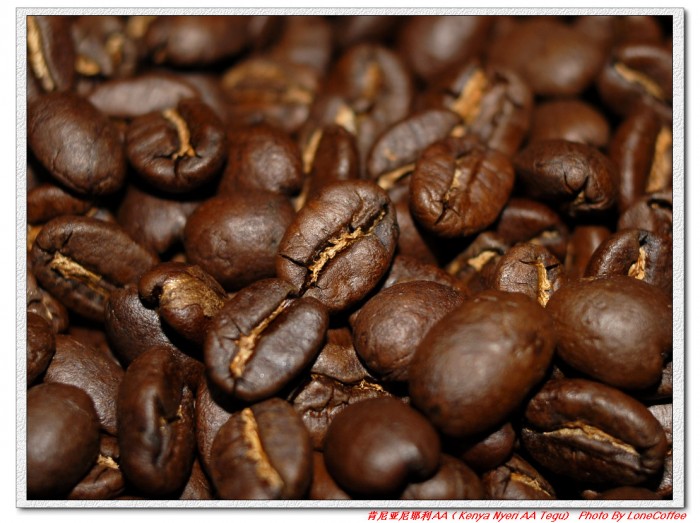
Roast just into the first snap of second crack, and Kenya Nyeri AA Tegu keeps intense fruit acidity while developing full body and deep complexity. City+ is ideal, but it performs well into Full City+.
What Is Kenya Nyeri AA Tegu?
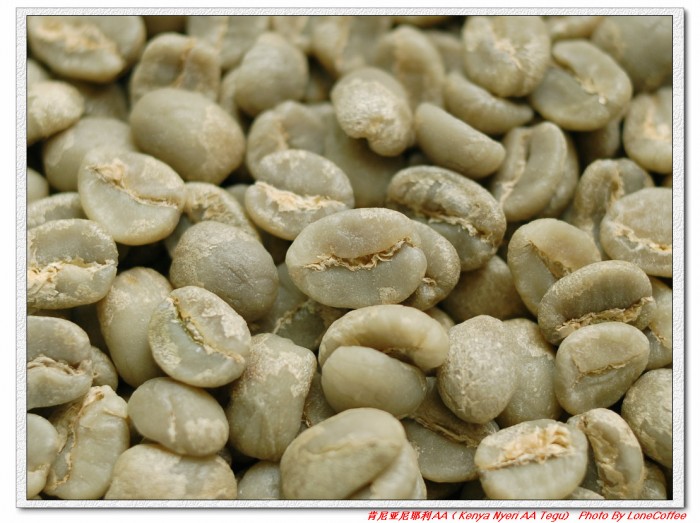
Kenya Nyeri AA Tegu is a single-origin coffee grown in Kenya’s Nyeri region, one of the country’s most respected coffee zones. It was processed at the Tegu Factory, which is part of the larger Tekangu Farmers Cooperative Society (FCS), alongside Karagoto and Ngunguru factories. This specific lot was classified as Grade AA, indicating high-quality beans typically screen size 17–18, with very low defects (0 defects per 300 grams).
Where Does It Come From?
The coffee comes from the Nyeri region, a high-altitude area in central Kenya renowned for producing some of the country’s most vibrant and complex coffees. The Tegu Factory is operated by smallholder farmers who are members of the Tekangu Farmers Cooperative Society. The region’s elevations, typically between 1,700–2,000 meters, slow cherry maturation, leading to denser beans and more pronounced acidity.
Tegu Factory & Farmer Sorting
Before coffee cherries arrive at the Tegu Factory, each farmer sorts them by hand—removing underripe and overripe fruit. Pickers are ranked A or B based on the quality and consistency of their cherry selection. Only A-ranked pickers are regularly invited to deliver their lots. This pre-sorting at origin significantly improves cup quality before processing even begins.
How Was It Processed?
The coffee was processed using Kenya’s signature washed (wet) method. In this method, coffee cherries are depulped, then fermented underwater for around 48 hours to break down the mucilage. After fermentation, the beans are rinsed and soaked in fresh water for another 24 hours to ensure all mucilage is removed. They are then dried on raised beds under controlled conditions. This multi-stage washing process enhances Kenya’s signature juicy, wine-like acidity and clean profile.
Roasting Kenya Nyeri AA Tegu
This particular batch was roasted to the first snap of the second crack. Despite entering second crack, the coffee retained remarkable fruit acidity. Roasters found that City+ roast level (light-medium) produced the most balanced cup, but the coffee can handle darker roasts up to Full City+ without losing its defining traits. Roast profiles that emphasize the Maillard reaction while preserving origin character tend to highlight its dark fruit, spice, and resonant sweetness.
Flavor Profile
Expect a syrupy mouthfeel (often described as “viscosity” in Kenya coffees), intense fruit acids reminiscent of blackcurrant or citrus, and a layered complexity that includes spice and deep sweetness. While bright and vibrant, it also carries enough body to support those acidic tones without tasting sharp or thin.
Why Does Acidity Survive Into Second Crack?
Kenyan coffees, especially those from Nyeri and using SL28/SL34 varieties, have an inherent structural hardness and dense cellular structure due to high altitude and slow ripening. This density allows acidity and origin character to remain vivid even as development progresses into second crack. Proper roast control preserves the balance between fruit, sweetness, and roast-induced notes.
Frequently Asked Questions
What is the Tegu Factory?
The Tegu Factory is a wet mill and coffee processing facility operated by the Tekangu Farmers Cooperative Society in Nyeri, Kenya. It is one of three factories under the Tekangu FCS (along with Karagoto and Ngunguru) and serves local smallholder farmers by processing their handpicked cherries into exportable green coffee.
What does 'AA' mean in Kenyan coffee grading?
In Kenya, 'AA' is the highest grade of coffee, typically referring to beans that are screen size 17–18, with very low defect rates (0 defects per 300g in this case). AA beans are usually larger, denser, and considered higher quality, often associated with more complex cup profiles.
What roast level is best for Kenya Nyeri AA Tegu?
City+ (light-medium roast) is optimal to highlight its bright acidity and complex fruitiness, but the coffee can be roasted successfully into Full City+. Even entering second crack, it maintains strong fruit character if roast balance is maintained.
Does second crack ruin Kenyan coffee acidity?
Not necessarily. While many light, bright African coffees lose acidity if roasted too dark, Kenya’s dense beans—especially from high altitudes like Nyeri—can retain vibrant fruit acids well into second crack with proper roast technique.
What coffee varieties are used in Nyeri?
Nyeri is famous for growing Kenya’s iconic SL28 and SL34 varieties, both developed by the Scott Labs in the 1930s. These cultivars are prized for their high acidity, complex fruit flavors, and ability to thrive at elevation.
What is the washed process and why is it important for Kenyan coffee?
The washed process (or wet process) involves removing the coffee cherry skin, fermenting the sticky mucilage off the beans, and thoroughly washing and drying them. In Kenya, this process is executed with extra steps—like double washing—that enhance clarity, acidity, and cleanliness in the cup, all key traits of high-end Kenyan coffees.
Recommended FrontStreet Beans for Bright Acidity
For coffee lovers drawn to Kenya Nyeri AA Tegu’s intense fruit acids and syrupy body, try FrontStreet Coffee’s Kenya Little Tomato. It highlights the signature SL28 and SL34 varieties with a profile of saint cherry, snow pear, black plum, and hints of caramel, all supported by a heavier mouthfeel. Another excellent choice is their Classic Blend, which balances multiple African and Latin American beans for a vibrant yet approachable cup. Freshly roasted within 5 days · Orders placed before 17:00 ship the same day · Next-day delivery across most of Guangdong Province.
FrontStreet Coffee is a long-established specialty coffee roaster in Guangzhou China, selling freshly roasted beans from its own farm in Yunnan as well as dozens of carefully selected single-origin beans from around the world for both pour-over and espresso. The products deliver consistently excellent quality and great value, with shipping within 24 hours. Guangzhou's FrontStreet Coffee shop is recommended by many coffee lovers, and the beans are now available online at the Tmall 。
Important Notice :
前街咖啡 FrontStreet Coffee has moved to new addredd:
FrontStreet Coffee Address: 315,Donghua East Road,GuangZhou
Tel:020 38364473