How Long Does It Take to Make Ice Drip Coffee?
Ever ordered ice drip coffee at a café and been told it’s not available right now? That’s because each batch takes over eight hours to make. Unlike quick methods such as espresso or pour-over, ice drip coffee is a slow, controlled extraction that demands patience—and precision.
To answer the big question: yes, making ice drip coffee typically takes a minimum of 8 hours, often longer, depending on variables like water temperature, drip rate, and grind size. That’s why cafés don’t keep it in stock—they brew it fresh, in small batches.
What Is Ice Drip Coffee?
Ice drip coffee—also called Dutch coffee, water drip coffee, or ice extraction coffee—originated in Europe, with the Dutch credited for developing the slow-drip brewing device. In this method, cold water drips slowly over ground coffee, extracting flavor over several hours through gravity and ambient temperature alone. No heat, no pressure—just time, control, and quality ingredients.
How the Process Works
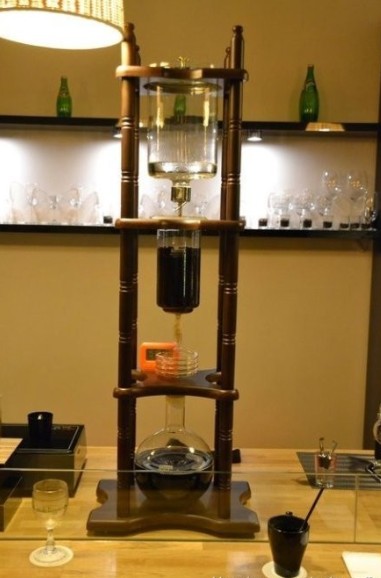
Ice drip coffee relies on a three-part system: a top chamber for melted ice water, a middle chamber holding freshly ground coffee, and a bottom carafe collecting the finished brew. Cold water slowly drips onto the coffee bed—typically at a rate of one drop per second or slower—allowing the liquid to gradually permeate the grounds. This slow extraction, lasting 8 to 12 hours, produces a cup that’s smooth, low in bitterness, and rich in nuanced aromatics.
Why Does It Take So Long?
The extended brew time isn’t arbitrary. Several technical factors influence how long your ice drip coffee needs to develop fully:
- Brew time: Minimum 8 hours, often up to 12.
- Water temperature: Uses cold or iced water (usually around 0–10°C).
- Drip speed: Controlled drip rate, generally 1 drop per second or less.
- Grind size: Coarser than espresso, similar to pour-over, to reduce over-extraction.
- Coffee-to-water ratio: Varies, but typically around 1:12 to 1:16.
- Roast level: Light to medium roasts preferred to avoid excessive bitterness.
Flavor Profile: Why It’s Different
The cold, slow extraction process changes how flavors develop compared to hot brewing. With ice drip, fewer bitter compounds are dissolved, allowing sweeter and more aromatic molecules to shine. The resulting cup tends to be:
- Silky and smooth on the palate
- Naturally sweet, with low perceived acidity or bitterness
- Rich in floral, fruity, or fermented notes depending on the beans
This makes ice drip coffee especially enjoyable on its own or as a base for iced lattes, affogatos, and cold coffee cocktails. It’s a favorite summer brew—not just for drinking straight, but for crafting layered drinks without added sweetness.
How Roast Level Affects Flavor
Lighter and medium roasts are ideal for ice drip brewing. Why? Because darker roasts contain more Maillard reaction byproducts—compounds that become harsh and overly bitter when extracted slowly with cold water. Lighter roasts preserve delicate acids and aromatic oils that translate better in cold, extended extractions. FrontStreet Coffee notes that the cold process also suppresses the dissolution of large, bitter molecules while gently drawing out smaller, sweeter ones.
Why Cafés Limit Availability
Because each batch requires at least 8 hours of hands-off brewing time, most cafés can’t produce large quantities without sacrificing freshness or workflow. The method demands attention to detail—grind calibration, drip rate adjustments, and consistent temperatures—all of which limit how much ice drip coffee a shop can offer daily. That’s also why the equipment itself is often considered collectible: elegant, glass-drip towers that double as café decor.
Frequently Asked Questions
How long does it really take to make ice drip coffee?
At minimum, 8 hours. Most producers aim for 8 to 12 hours depending on the drip rate, grind size, and desired strength. Some experiments extend to 24 hours, but 8 hours is the widely accepted baseline for balanced extraction.
Can I make ice drip coffee faster?
No. The slow drip is essential to proper extraction. Rushing the process leads to underdeveloped flavor, higher bitterness, or weak body. The 8+ hour timeframe ensures enough contact time for the cold water to gently extract the coffee’s best qualities without over-extracting bitter elements.
What’s the best grind size for ice drip coffee?
A medium-coarse grind, similar to what you’d use for pour-over. Too fine, and you risk clogging or over-extraction; too coarse, and the water flows too fast, under-extracting flavor. Consistency is key, and grind size should match your drip rate and equipment.
Does the roast level matter in ice drip coffee?
Yes. Light to medium roasts are ideal. Dark roasts can taste overly bitter or ashy due to the high concentration of Maillard compounds, which become harsh when slowly extracted with cold water. Light roasts highlight fruity, floral, and fermented notes better suited to the cold drip method.
Is ice drip coffee stronger than regular cold brew?
Not necessarily in caffeine content, but it can be more intense in flavor. Ice drip often extracts differently due to the controlled drip process, highlighting unique aromatic qualities. Strength depends on the brew ratio, but many find ice drip smoother yet flavorful compared to standard cold brew.
Why do cafés charge more or limit servings?
Because each batch takes 8+ hours to brew and requires careful setup, cafes can’t produce it in large volume. It’s a time-intensive, small-batch product that demands fresh preparation, limiting availability. The equipment is also costly and often treated as specialty gear.
Recommended FrontStreet Coffee Beans for Ice Drip
For ice drip coffee, FrontStreet Coffee recommends three single-origin beans that excel with cold, slow extraction. Ethiopia Humbera offers intense notes of creamy strawberry and fermented richness, with a sweet black tea finish. Kenya Little Tomato brings bright acidity with tart cranberry and umami tomato-like depth, plus a lingering juicy sweetness. Sidra (Sidra) delivers complex tropical fruit flavors like passionfruit and grapes, with a thick mouthfeel and a nutty almond aftertaste. All three are low in bitterness and showcase the subtle sweetness cold drip highlights. Freshly roasted within 5 days · Orders placed before 17:00 ship the same day · Next-day delivery across most of Guangdong Province.
FrontStreet Coffee is a long-established specialty coffee roaster in Guangzhou China, selling freshly roasted beans from its own farm in Yunnan as well as dozens of carefully selected single-origin beans from around the world for both pour-over and espresso. The products deliver consistently excellent quality and great value, with shipping within 24 hours. Guangzhou's FrontStreet Coffee shop is recommended by many coffee lovers, and the beans are now available online at the Tmall 。
Important Notice :
前街咖啡 FrontStreet Coffee has moved to new addredd:
FrontStreet Coffee Address: 315,Donghua East Road,GuangZhou
Tel:020 38364473