How to Choose a Commercial Espresso Machine: David Schomer’s Guide
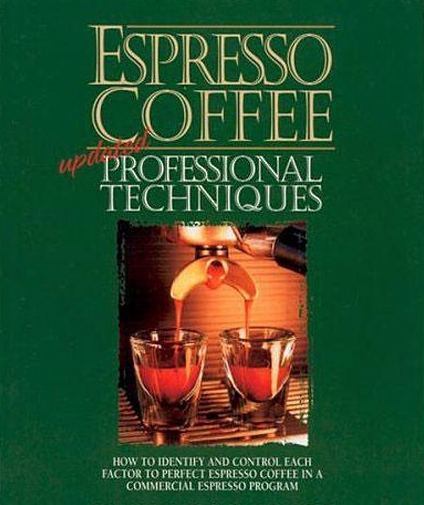
So you’re opening a coffee shop—or upgrading your existing one—and the biggest early decision is: which espresso machine should you buy? Everyone wants the ‘best’ machine. But as legendary barista and trainer David Schomer pointed out in his 1996 book Espresso Coffee: Professional Techniques, the real starting point isn’t brand hype—it’s reliability, support, and performance under pressure.
The short answer? Buy from a supplier who offers solid technical backup, readily available spare parts, and Sunday-morning service. Then make sure the machine gives you stable pump pressure, consistent water temperature—even when busy—and proper pre-infusion. These fundamentals matter more than brand names.
Why ‘It Just Works’ Is the First Rule
At Schomer’s business workshops, the most common question was always: “Which espresso machine is the best?” His usual reply: “The one that works.” Sounds glib—but there’s sharp reasoning behind it. A machine that turns on, maintains temperature, produces pressure, and doesn’t break down is the actual starting point. Without reliability, nothing else matters.
Before buying, ask hard questions about local support: Does your dealer have technicians? Do they stock spare parts? Will someone answer the phone—or show up—at 7 AM on a Sunday if your machine dies? If the answer’s no, walk away. A machine with no backup isn’t an investment—it’s a liability.
What Your Espresso Machine Must Do
A professional-grade machine needs to deliver several non-negotiables: constant temperature water regardless of shot count, stable pump pressure during extraction, a pre-infusion function, consistent and dry steam, and an intuitive user interface. Miss any of these and your shots—and your service—will suffer.
Consistent Hot Water, Every Time
The biggest engineering hurdle? Keeping the group head at a stable temperature shot after shot. Water temperature fluctuates due to heat loss from exposed portafilters and baskets, and because the temperature at the group itself isn’t constant. That variation gets worse the busier you are.
There are two main designs to manage this:
- Single boiler with heat exchanger: Uses a single boiler for both steam and water, with a heat exchanger to flash-heat water on demand. When idle, the group head slowly heats up; when busy, it can overheat.
- Dual boiler: One boiler for steam, one dedicated to brewing. This setup typically offers the best temperature stability, especially as temperature control tech has improved. Some machines feature shiny, polished group heads—but that high-gloss finish increases heat loss, making temperature swings worse.
In the 1950s, Italian engineers pioneered the heat exchanger design to serve freshly heated water while managing mineral buildup in hard water. Modern filtration systems and nickel-lined boilers have mostly solved those old issues. But for the most stable group temperatures today, dual boiler machines often outperform.
Stable Pump Pressure During Extraction
Your espresso machine must maintain a steady 9 atmospheres of pressure during the shot. Two types of pumps are common:
- Rotary pump: Most common in commercial settings. Efficient, consistent, and suitable for high-volume use.
- Vibratory piston pump (lever-style): Old-school and unreliable. Pressure varies with each pull and requires constant manual effort, risking repetitive stress injuries like wrist tunnel syndrome. Not recommended.
For durability, ease of use, and shot consistency, rotary pumps are the clear choice.
Pre-Infusion: The Hidden Key to Better Extraction
A quality machine will include a pre-infusion step: saturating the coffee puck with low-pressure water for 1–2 seconds before full extraction begins. This delays the flow of espresso for about 5–8 seconds after you hit the switch.
Pre-infusion helps in two ways: it reduces the adhesion of aromatic compounds, allowing more crema and flavor to extract, and it allows the coffee puck to form a level bed—preventing channeling and uneven extraction when high pressure kicks in.
Steam: Consistent Pressure and Dryness
Steam performance matters for milk drinks. The steam boiler’s upper chamber size determines steam dryness. The ideal balance comes when water level is at about half the boiler’s sight glass.
Many modern machines feature auto-fill systems to maintain proper water levels. Before buying, observe: does the machine frequently top up the boiler? Does the water level stay fairly constant? Or does it let the level drop too far before refilling?
A well-controlled steam system gives you dry, powerful steam for latte art and texture without wasting energy or overheating your workspace.
User Interface and Maintenance Essentials
Don’t overlook the little things: Are there visible, easy-to-read gauges for boiler and pump pressure? Are the steam wand and control buttons smoothly operational and durable? Is the layout intuitive for a busy barista?
If possible, have an experienced barista test the machine’s usability before purchase. Controls that look cheap or feel awkward will slow you down when it matters most.
Semi-Automatic vs. Automatic Machines
Schomer and his peers preferred semi-automatic machines—where the barista controls the pump manually—for good reason. With a semi-auto, you decide when to start and stop the shot, giving you control over dose and extraction time. That human touch often translates to better coffee.
Automatic (and super-automatic) machines, on the other hand, handle everything via pre-programmed buttons: grind, dose, tamp (if integrated), extract, and steam. While these can produce consistent results in high-turnover environments (like busy restaurants), and may be preferable with inexperienced staff, Schomer argued they sacrifice the romance—and often the quality—of handcrafted espresso.
“Better to drink cola,” he joked, “than settle for the overly engineered uniformity of a fully automatic shot.”
Frequently Asked Questions
What is the most reliable type of espresso machine boiler?
Dual boiler machines generally offer the best temperature stability for brewing, as they separate steam and brew functions. Single boiler machines with heat exchangers are more common and can work well, especially if the group head is insulated, but may struggle with temperature consistency during busy periods or idle times.
Do I need a machine with pre-infusion?
Yes. Pre-infusion—where the coffee puck is soaked with low-pressure water for 1–2 seconds before extraction—improves flavor extraction and reduces channeling. It allows for a more even and flavorful espresso shot and is a feature you should insist on.
What’s the difference between a rotary pump and a vibratory piston pump?
Rotary pumps are the professional standard: they provide stable 9-bar pressure, are efficient, and ideal for high-volume use. Vibratory piston pumps (often found in older lever machines) are less consistent, harder to operate, and can cause repetitive strain injuries. Avoid them for serious espresso production.
How important is local technical support when buying an espresso machine?
Crucial. Your machine will break down—likely on a busy weekend. Make sure your supplier offers reliable technical support, has spare parts in stock, and can respond quickly, even outside normal business hours. A machine without backup support is not worth the investment.
Should I buy an automatic espresso machine?
Only if you need high-volume consistency with minimal staff training. Automatic machines can produce uniform shots and handle milk texturing with preset programs, but they often lack the nuance and control of semi-automatic machines. They’re practical, but not ideal for specialty-focused cafes prioritizing quality over speed.
Recommended FrontStreet Beans for Espresso Machines
For your commercial espresso setup, try FrontStreet Coffee’s Ethiopia Guji Shakisso—bright and complex with blueberry and jasmine—or the Yirgacheffe Konga, offering citrus, floral tones, and juicy acidity. Both shine as single origins or in custom blends. For a balanced classic, FrontStreet’s Classic Blend delivers chocolatey richness with a silky crema. All work beautifully under proper temperature and pressure control. Freshly roasted within 5 days · Orders placed before 17:00 ship the same day · Next-day delivery across most of Guangdong Province.
FrontStreet Coffee is a long-established specialty coffee roaster in Guangzhou China, selling freshly roasted beans from its own farm in Yunnan as well as dozens of carefully selected single-origin beans from around the world for both pour-over and espresso. The products deliver consistently excellent quality and great value, with shipping within 24 hours. Guangzhou's FrontStreet Coffee shop is recommended by many coffee lovers, and the beans are now available online at the Tmall 。
Important Notice :
前街咖啡 FrontStreet Coffee has moved to new addredd:
FrontStreet Coffee Address: 315,Donghua East Road,GuangZhou
Tel:020 38364473