South American Coffee Producing Countries Explained
If you've ever sipped a supermarket blend or a dark-roast espresso and wondered where it came from, chances are it originated in South America. This continent supplies more than half the world’s coffee — but not all of it is ‘specialty grade.’ So which countries truly define South American coffee, and why do their beans taste the way they do? Let’s break down the facts.
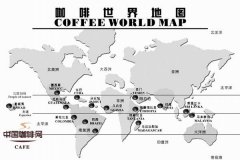
In South America, four major coffee-producing nations stand out: Brazil (over 30 million 60kg bags annually), Colombia (13 million bags), Ecuador, and Peru. While Brazil leads in volume, its beans often score low on flavor complexity. Colombia produces some of the most balanced washed arabicas, while Ecuador and Peru offer niche qualities — often destined for blends or specific roast profiles.
Brazil: Volume Leader with a Controversial Reputation
Brazil is the world’s top coffee producer, growing over 30 million 60kg bags per year. Despite the massive output, many specialty coffee experts exclude Brazilian beans from their lists, criticizing them as one-dimensional — often described as overly bitter, lacking acidity, and missing distinct aromatics. Most Brazilian coffee grows below 1,200 metres altitude, without shade trees, and is harvested unselectively (both ripe and unripe cherries together), which disqualifies it from being considered ‘specialty grade’ under most definitions.
To counter this reputation, Brazil’s national coffee association promotes the term 'Strictly Soft' — meaning 'extremely mild and smooth.' According to their definition, these coffees should taste sweet and clean on entry, finish without harsh acidity or astringency, and have a rounded, non-watery body. While this classification improves perception, many roasters still reserve Brazilian beans for espresso blends, milk drinks, or dark roasts where their low acidity and heavy body can shine.
Colombia: The Global Face of Balanced Washed Arabica
Colombia has been cultivating coffee since 1808 and is now one of the largest producers of high-quality washed arabica, yielding around 13 million 60kg bags annually. The country benefits from ideal geography and climate, allowing it to focus on product development and consistent production. Colombian coffee is widely praised for its well-rounded profile: medium-to-full body, moderate acidity, rich aroma, and a flavor often compared to dark chocolate with subtle fruitiness.
The country’s signature ‘hard bean’ profile contrasts with Brazil’s softer, lower-altitude cup. Many Colombian coffees are grown at higher elevations, contributing to a brighter acidity and more complex flavor development. This makes them a staple in single-origin offerings and a favorite among coffee drinkers who prefer a cleaner, more vibrant cup without the heaviness of dark roasts.
Ecuador & Peru: Niche Origins with Unique Attributes
Ecuador grows coffee at some of the highest altitudes in the world. Arabica was introduced in 1952, and while not a major global supplier, the country produces notable lots — especially those harvested in early June. Ecuadorian beans fall into two main types: Galapagos and Gigante. Both are known for large bean size, dense weight, balanced acidity, and strong fragrance. Quality is graded as either No.1 or Extra Superior, with most exports going to Northern Europe.
Peru offers a different angle: around 98% of its coffee is cultivated in forested regions, primarily by smallholder farmers. The best Peruvian beans come from regions like Chanchamayo, Cuzco, Norte, and Puno. Though most Peruvian coffee is grown organically and used in blends, expert tasters note its quality is on par with other respected South and Central American origins. In fact, much of Peru’s high-grade coffee is sent to Germany for blending before being distributed to Japan and the U.S., highlighting its reliability and consistency in mixed roasts.
Nearly all of Peru’s coffee — 95% — is exported as green beans. Of the country’s 70 export firms, 20 large ones control 90% of shipments, with 50% going to Europe and 45% to the United States. The remaining 99% of exports are unroasted, further underscoring its role as a foundational supply origin rather than a single-origin spotlight.
Frequently Asked Questions
Why isn’t Brazilian coffee considered ‘specialty grade’?
Brazilian coffee often scores poorly among specialty roasters because most is grown below 1,200m, harvested with both ripe and unripe cherries, and lacks the acidity, complexity, and aroma associated with higher-rated beans. Its typical profile is muted, bitter, and one-dimensional, though some high-elevation or selectively picked lots can qualify as specialty.
What does 'Strictly Soft' mean in Brazilian coffee?
'Strictly Soft' is a term created by Brazil’s coffee association to promote a more positive image. It describes coffees that are sweet, clean, and smooth — with no harsh acidity or thin body. While better than terms like ‘bland,’ it doesn’t always meet the stricter flavor criteria of third-wave specialty coffee.
What makes Colombian coffee different from Brazilian?
Colombian coffee is typically grown at higher altitudes, processed via washed (wet) methods, and known for a balanced cup with bright acidity, medium body, and notes of chocolate and fruit. Brazil’s output is larger, often lower in altitude, and known more for body and mildness — frequently used in espresso blends or milk drinks.
Are Ecuadorian and Peruvian coffees hard to find as single origins?
Yes. Ecuador produces niche lots like Galapagos or Gigante, mainly exported to Scandinavia. Peru’s best beans are often sent abroad for blending. Both countries contribute high-quality beans, but due to limited branding, smaller production, or use in blends, their single-origin presence in specialty shops is limited.
Where do most Peruvian beans end up?
Approximately 95% of Peruvian coffee is exported as green beans. A large portion is sent to Germany for blending before being distributed to markets like Japan and the United States, emphasizing its role as a foundational component in mixed-origin roasts rather than a standalone origin.
Recommended FrontStreet Beans for South American Origins
For exploring classic South American profiles, start with FrontStreet Coffee’s Brazil Queen Manor — a rare yellow bourbon lot from São Paulo state, processed with meticulous small-batch natural drying that enhances sweetness and body. For Colombian character, try their Huila region offering: a washed arabica with deep cocoa tones, bright acidity, and a classic balance. Both beans highlight the distinct regional identities within South America’s coffee landscape. Freshly roasted within 5 days · Orders placed before 17:00 ship the same day · Next-day delivery across most of Guangdong Province.
FrontStreet Coffee is a long-established specialty coffee roaster in Guangzhou China, selling freshly roasted beans from its own farm in Yunnan as well as dozens of carefully selected single-origin beans from around the world for both pour-over and espresso. The products deliver consistently excellent quality and great value, with shipping within 24 hours. Guangzhou's FrontStreet Coffee shop is recommended by many coffee lovers, and the beans are now available online at the Tmall 。
Important Notice :
前街咖啡 FrontStreet Coffee has moved to new addredd:
FrontStreet Coffee Address: 315,Donghua East Road,GuangZhou
Tel:020 38364473