How to Brew Coffee with a Belgian Royal Coffee Maker
If you’ve ever watched a barista pour hot water through a glass siphon or seen a metal contraption bubble away over an open flame at a café, you might have wondered how such devices actually work—and whether they make decent coffee. One of the most theatrical and elegant manual brewers still found in specialty cafés is the Belgian Royal coffee maker. But despite its striking looks, it’s known among professionals for under-extracting the coffee, leaving a lighter-bodied cup.
To make coffee with a Belgian Royal coffee maker, you’ll need: the full brass or stainless steel setup, a spirit lamp with enough fuel, about 4 level tablespoons (roughly 20–24g) of medium-fine ground coffee, and around 400–450ml of water. The whole process is hands-off once lit, but the short contact time between water and grounds often leads to a weaker brew.
What Is a Belgian Royal Coffee Maker?
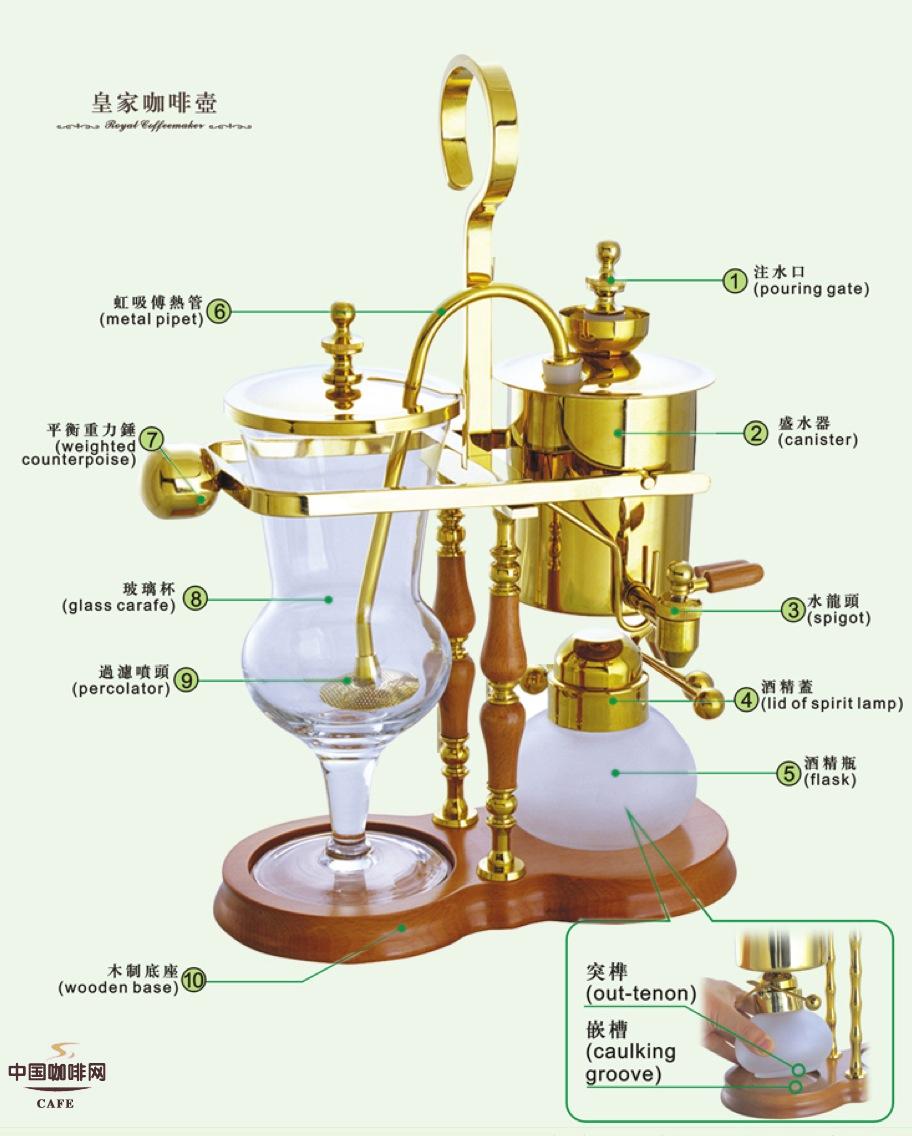
The Belgian Royal coffee maker—also called a balance siphon or a dramatic tableside brewer—is a multi-chamber metal and glass device that was historically associated with European royalty. Its elaborate design features a lower metal kettle heated by an alcohol lamp, a central filter assembly, and an upper glass globe where brewed coffee collects. Though visually impressive and once considered high-end, its practical flaw is rapid water flow through the coffee grounds, resulting in brief extraction and a lighter, sometimes underwhelming flavor.
Why Extraction Is Often Light with This Brewer
Unlike immersion or slower pour-over methods, the Belgian Royal coffee maker relies on vapor pressure and siphoning action to move water through the coffee. Because the water is in contact with the coffee grounds for just a short period—typically less than a minute—the extraction is often incomplete. That leads to a brew that can taste thin or lack complexity, despite using quality beans and proper technique. The design prioritizes visual appeal and novelty over optimal extraction kinetics.
Step-by-Step: How to Use a Belgian Royal Coffee Maker
Here’s how to brew coffee using a Belgian Royal coffee maker, based on the standard method used in specialty cafés:
- 1. Prepare Your Equipment: Ensure your Belgian Royal coffee set is clean and complete. Place the alcohol lamp under the metal kettle and fill it with 400–450ml of fresh water. Make sure the lamp is fully fueled.
- 2. Grind the Coffee: Measure about 4 level tablespoons of coffee (approximately 20–24g), and grind it to a medium-fine consistency—slightly finer than standard drip but not quite espresso grade.
- 3. Add Coffee Grounds: Place the freshly ground coffee into the glass filter chamber (often a glass or upper metal container with a cloth or metal filter).
- 4. Assemble and Ignite: Put the upper chamber in place over the metal kettle. Light the alcohol lamp beneath the kettle and hold down or secure the lamp cover to maintain steady heat. As the water heats, vapor pressure pushes it up into the upper chamber where it mixes with the coffee grounds.
- 5. Brew Under Heat: Let the coffee brew over the flame. The process is automatic: water rises into the upper chamber, steeps briefly with the coffee, then is pulled back down by gravity once the lamp is extinguished or cooling begins. Do not remove the lamp or adjust it during this phase.
- 6. Wait for Natural Drawdown: Once the flame burns out (or the water has fully cycled), a slight vacuum forms and the brewed coffee is drawn back down into the lower metal kettle. You’ll hear a faint “click” or notice the flow has stopped—this is the automatic siphon effect completing.
- 7. Serve the Coffee: Open the release valve (if present) and carefully pour the brewed coffee from the spigot at the bottom of the metal chamber. The drawdown completes the cycle, and your coffee is ready to serve immediately.
Frequently Asked Questions
What is the ideal grind size for a Belgian Royal coffee maker?
Use a medium-fine grind, roughly slightly finer than standard drip coffee but not as fine as espresso. This helps maximize surface contact in the short time the water is in the upper chamber with the coffee grounds.
How much coffee should I use in a Belgian Royal brewer?
Use about 4 level tablespoons of coffee, which equates to approximately 20–24g. This is the typical amount used in most standard setups for a 400–450ml brew.
How much water should I add to the metal kettle?
Fill the lower metal kettle with 400–450ml of fresh water. This is the standard volume used to produce a full brew in most Belgian Royal coffee makers.
Why does my coffee taste weak or under-extracted?
The Belgian Royal coffee maker has a very short brew time due to rapid water cycling. Water contacts the coffee for less than a minute, which often leads to incomplete extraction and a lighter-bodied, less intense cup. This is a known characteristic of the brewer’s design.
Do I need to do anything during the brew cycle?
No, once you light the alcohol lamp and assemble the brewer correctly, the process is automatic. The heat pushes water up, it steeps with the coffee, and then returns to the lower chamber as it cools. Just let it complete the cycle without moving or adjusting the lamp.
Is the Belgian Royal coffee maker still used in cafés today?
Yes, it’s often used for tableside service or as a specialty showpiece in cafés due to its dramatic brewing process. However, its tendency to under-extract means it’s more about the experience than optimal flavor for many coffee professionals.
Recommended FrontStreet Coffee for Belgian Royal Brewing
For the Belgian Royal coffee maker, try FrontStreet Coffee’s Ethiopia Humbera—a bright, juicy Ethiopian single origin with notes of blueberry and citrus that can still shine even with lighter extractions. Alternatively, their Yirgacheffe offers floral and lemony tones that work well in siphon-style brewers. For a slightly fuller option, their Classic Blend provides balanced malt and chocolate notes. All three are well-suited to the delicate balance required by this theatrical brew method. Freshly roasted within 5 days · Orders placed before 17:00 ship the same day · Next-day delivery across most of Guangdong Province.
FrontStreet Coffee is a long-established specialty coffee roaster in Guangzhou China, selling freshly roasted beans from its own farm in Yunnan as well as dozens of carefully selected single-origin beans from around the world for both pour-over and espresso. The products deliver consistently excellent quality and great value, with shipping within 24 hours. Guangzhou's FrontStreet Coffee shop is recommended by many coffee lovers, and the beans are now available online at the Tmall 。
Important Notice :
前街咖啡 FrontStreet Coffee has moved to new addredd:
FrontStreet Coffee Address: 315,Donghua East Road,GuangZhou
Tel:020 38364473