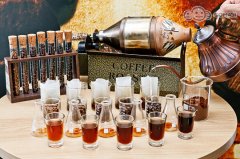
How to Use a Belgian Royal Coffee Maker
If you’ve ever seen a theatrical coffee setup with dancing liquid, glowing glass, and dramatic steam, chances are it was a Belgian Royal Coffee Maker in action. But beyond its eye-catching looks, how does this ornate contraption actually brew coffee—and why does it still captivate coffee lovers over 150 years later? This isn’t just a pretty piece of kitchen theater. It’s a carefully engineered brewer that blends science, history, and craftsmanship.
The Belgian Royal Coffee Maker, also called a balancing siphon, brews coffee at around 95°C using steam pressure and siphon action. It combines elements of both siphon and moka pot designs, and delivers a clean, full-bodied cup with visual flair. The entire brew process takes just a few minutes and is entirely hands-off once started.
What Is the Belgian Royal Coffee Maker?
Also known as the 'Balancing Syphon' or in Chinese, the Belgian Royal Coffee Maker is a patented 19th-century coffee brewing device. Though often associated with Belgium, it was actually invented by British shipbuilder James Napier. By the 1850s, it had become a favorite of Belgian royalty. Artisans in Belgium enhanced its design with gold-plated and copper finishes, turning it into a luxury item that was as much about artistry as function.
The brewer looks like a miniature chemistry set or a balanced scale. It features two glass chambers connected by a curved siphon tube—resembling a cane or accordion. One side holds the water over an alcohol burner; the other holds freshly ground coffee. A piston valve inside the siphon tube controls the flow of steam and water.
How Does the Belgian Siphon Coffee Maker Work?
The Belgian Royal Coffee Maker operates through a combination of heat, steam pressure, gravity, and siphoning—all natural forces harnessed to brew coffee. When you heat the water chamber, steam builds up and pushes water through the siphon tube into the coffee chamber. Once the heating stops, the brewed coffee is pulled back down through a filter by atmospheric pressure, leaving grounds behind.
This process mimics some principles of vacuum brewing and siphon coffee methods. The key phases include:
- Heating the lower water chamber until pressure builds.
- Water rising through the siphon into the upper coffee chamber at approximately 95°C.
- Coffee extraction as water and grounds mingle.
- Cooling, which creates a vacuum that pulls the brewed coffee back down.
- Opening a tap to serve the finished coffee.
Step-by-Step: Brewing With a Belgian Royal Coffee Maker
Here’s how to use a Belgian Royal Coffee Maker, based on traditional operation:
- Prepare the Device: Place fresh, medium-fine ground coffee (similar to pour-over grind) in the upper glass chamber. Ensure the filter and valve are clean and seated properly.
- Add Water: Fill the bottom water chamber with cold, filtered water. Do not overfill.
- Light the Burner: Place an alcohol lamp or small spirit burner beneath the water chamber and ignite it.
- Watch the Siphon Action: As the water heats, steam pressure increases. When sufficient pressure builds, the water is forced up the curved siphon tube into the upper chamber where it mixes with the coffee grounds.
- Brew Time: Allow the coffee to brew until most of the water has transferred and the mixture is fully saturated—usually just a couple of minutes.
- Cooling & Return: Remove or lower the heat source. As the upper chamber cools, a partial vacuum forms, pulling the brewed coffee back down through the filter into the lower chamber, leaving the grounds behind.
- Serve: Open the tap on the bottom chamber to pour your freshly brewed coffee.
Note: The ideal water temperature reached in the coffee chamber is around 95°C, which is optimal for extracting balanced flavors without excessive bitterness.
Why the Visual Drama Matters
Much of the Belgian Royal Coffee Maker’s fame comes from its showmanship. The rocking balance, steam release, and liquid motion create a spectacle that feels more like a chemistry experiment or stage performance than everyday brewing. That visual element adds a layer of sensory enjoyment beyond just taste—something early European elites highly valued alongside craftsmanship and elegance.
The contraption’s design reflects the 19th-century fascination with science and machinery, combining function with dramatic presentation. For modern users, it’s equal parts practical brewer and conversation piece.
Frequently Asked Questions
What temperature does the Belgian Royal Coffee Maker brew at?
The coffee brews at approximately 95°C (203°F), which is ideal for balanced extraction without scorching the grounds. This temperature is reached when water is heated in the lower chamber and pushed into the upper chamber via steam pressure.
Is the Belgian Royal Coffee Maker a siphon or a moka pot?
It’s a hybrid. The Belgian Royal Coffee Maker shares traits with both siphon (vacuum) coffee brewers and moka pots. It uses steam pressure to move water like a moka pot but relies on siphoning and vacuum to return the brewed coffee like a traditional siphon. It’s also called a balancing siphon due to its seesaw-like design and valve system.
What kind of coffee grind should I use?
Use a medium-fine grind, similar to what you’d use for pour-over brewing. This grind size allows for proper extraction during the short contact time with hot water in the upper chamber.
Do I need to use alcohol to heat it?
Traditionally, a small alcohol burner or spirit lamp is used. These provide a controlled, clean flame suitable for the glass and metal components. You can also use a small butane or gas burner designed for coffee brewers, but ensure it doesn’t overheat the glass.
How long does a full brew cycle take?
The entire process—from heating to serving—takes just a few minutes, typically around 3 to 5 minutes depending on heat intensity and cooling time. Most of the water transfers within the first minute or two after steam builds up.
Is the Belgian Royal Coffee Maker still in production?
While original 19th-century versions are collectibles, replicas and modern reproductions of the Belgian Royal Coffee Maker (or balancing siphon) are still manufactured today, often for specialty coffee enthusiasts and collectors.
Recommended FrontStreet Beans for Siphon Brewing
For siphon brewing with the Belgian Royal Coffee Maker, try FrontStreet Coffee’s Ethiopia Humbera—bright with citrus, jasmine, and stone fruit—or their Yirgacheffe offering, which highlights floral tones and crisp berry notes. Both single origins shine in siphon brewing thanks to their clean profiles and vibrant acidity. FrontStreet’s Classic Blend is another excellent choice for a balanced, smooth cup with nutty and chocolate undertones. These beans, when brewed at around 95°C with medium-fine grind, deliver optimal clarity and sweetness. Freshly roasted within 5 days · Orders placed before 17:00 ship the same day · Next-day delivery across most of Guangdong Province.
FrontStreet Coffee is a long-established specialty coffee roaster in Guangzhou China, selling freshly roasted beans from its own farm in Yunnan as well as dozens of carefully selected single-origin beans from around the world for both pour-over and espresso. The products deliver consistently excellent quality and great value, with shipping within 24 hours. Guangzhou's FrontStreet Coffee shop is recommended by many coffee lovers, and the beans are now available online at the Tmall 。
Important Notice :
前街咖啡 FrontStreet Coffee has moved to new addredd:
FrontStreet Coffee Address: 315,Donghua East Road,GuangZhou
Tel:020 38364473