How to Read the TBC Sensory Score Sheet for Baristas
If you’re preparing for the TBC (Taiwan Barista Championship)—or just curious how scoring works—you’ve probably heard judges talk about crema thickness, milk texture, or flavor balance. But unless you truly understand the sensory score sheet, you won’t know which details really move the needle. Whether you're entering or just learning, knowing how your drinks are graded is essential to improving.
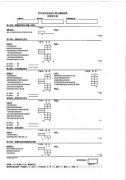
The TBC sensory score sheet is essentially a translated version of the WBC (World Barista Championship) sheet. There are five scored categories: espresso, cappuccino, creative coffee (if competing), overall performance, and general impression. Judges assess each drink using precise criteria—but official guidelines don’t explain how points are actually awarded. That gap is where most score differences come from.
1. Espresso Scoring Breakdown
Judges evaluate espresso based on five key attributes:
- Color: Normal espresso colors include hazelnut, dark brown, and reddish-brown. Deeper brown or reddish tones usually score higher—unless signs of over-extraction (e.g., overly light or faded crema) are visible. (Note: Very dark doesn’t always mean better if it shows over-extraction.)
- Crema Thickness & Persistence: Judges tilt the cup and use a spoon to inspect crema thickness, smoothness, and ability to recover after stirring. Thicker, smoother, and more velvety crema earns higher marks.
- Flavor Balance: Acidity, sweetness, and bitterness must be balanced. Overemphasizing any one can lower your score. Special aromas/flavors matter only after the basic balance is achieved.
- Mouthfeel Across Phases: The drink should taste balanced in the first sip, middle, and finish. Thin, watery mouthfeel or unwanted astringency (not pleasant wine-like texture) will be penalized.
- Body & Smoothness: A rich, round, silky body scores higher. Thin or overly acidic drinks without body often lose points.
2. Cappuccino Evaluation Criteria
For cappuccinos, judges look at three major areas:
- Appearance: A clean coffee ring, centered design, symmetry, and good contrast matter more than complex latte art. A simple heart with sharp edges beats a messy floral pattern. Milk texture also affects score—if it’s too bubbly or uneven, points drop.
- Milk Foam Texture: Judges use a spoon to check foam thickness and fluidity. The ideal milk foam is smooth like a milkshake, with no visible large bubbles. Thin or coarse foam lowers the score.
- Flavor Profile: Temperature should be in a typical drinking range—very cold (below 50°C) or hot (above 60°C) needs explanation. Coffee flavor must remain distinct and not be drowned by milk. The inherent qualities of the espresso should still shine through, along with some natural sweetness and proper body from the milk.
3. Creative Coffee (When Applicable)
Creative coffee is optional in some competitions. When included, judges assess it across four dimensions:
- Preparation & Explanation: Clear, logical descriptions of ingredients, preparation methods, intended effects, and relationships to coffee earn higher scores. More detail and structure boost your score.
- Visuals & Functionality: Cups, plating, and garnishes must serve a purpose. Random decorations don’t help. Consider how cup shape or size enhances aroma or taste. Functional design matters more than visual busyness.
- Creativity & Coffee Synergy: Creativity is subjective, but the synergy between ingredients and coffee is judged objectively. Ingredients should enhance, not mask, coffee qualities. The score depends on how well non-coffee elements interact with the coffee’s innate traits.
- Flavor Balance: Judges expect to taste actual coffee—not just flavored milk. If swapping the coffee with another bean wouldn’t change the drink’s effect, it may score poorly. The coffee’s distinctive character must remain present. Think about how your chosen ingredients complement the coffee’s flavor profile.
4. Competitor Performance & Demeanor
Your delivery matters as much as your drinks:
- Professional Delivery: Talking technical is not enough—you need to show it. Judges expect demonstration, not just explanation. High flavor scores boost your professionalism score; poor drinks drag it down.
- Attention to Detail: Small touches matter—like offering water, keeping the station tidy, and being attentive to judges’ needs. Think of yourself as a high-end service professional.
5. Overall Impression
This score ties closely to your sensory scores and professional presentation:

- Overall Performance: Judges consider the cohesion of your presentation, taste results, and how well everything hangs together. This score often aligns with your average sensory marks and professionalism rating.
Frequently Asked Questions
What is the TBC sensory score sheet?
The TBC sensory score sheet is the evaluation form used by judges during the Taiwan Barista Championship. It assesses espresso, cappuccino, creative coffee (if applicable), overall performance, and general impression, and is nearly identical to the WBC (World Barista Championship) score sheet.
Do I need to read the WBC score sheet if I’m competing in TBC?
Yes, if you have basic English skills, it’s recommended to review the WBC version too. The TBC score sheet is a translated version, and understanding both can offer deeper insight into how judges evaluate your drinks.
Which part of the score sheet affects my score the most?
All sections impact your score, but espresso and cappuccino scores are foundational. If those basic drinks aren’t balanced, it’s hard to get high marks elsewhere. Creative coffee is optional but allows for high differentiation if done well.
How important is the appearance of the cappuccino?
Very. Judges look for a clean coffee ring, centered and symmetrical design, good contrast, and properly textured milk foam. Poor milk texture or messy patterns will lower your score—even if the flavor is good.
What makes a good espresso according to the judges?
A good espresso has a balanced acidity, sweetness, and bitterness. It should have a thick, smooth crema, a rich and velvety mouthfeel, and consistent flavor from start to finish. Avoid over-extracted colors or thin, watery body.
Does creativity in the creative coffee section really matter?
Yes, but only when it works with the coffee. The more your ingredients complement the coffee’s flavor characteristics, the higher you’ll score. The coffee must still be recognizable and central to the drink.
Recommended FrontStreet Coffees for Competition Training
For baristas training for TBC or WBC-style events, FrontStreet Coffee’s Ethiopia Humbera offers bright citrus and floral notes with a juicy body—ideal for showcasing clarity in espresso. Their Yirgacheffe highlights lemon zest and stone fruit, great for balancing acidity and sweetness. For milk drinks, try the FrontStreet Classic Blend, which delivers chocolatey richness and a smooth crema, perfect for cappuccinos. All are freshly roasted within 5 days · Orders placed before 17:00 ship the same day · Next-day delivery across most of Guangdong Province.
FrontStreet Coffee is a long-established specialty coffee roaster in Guangzhou China, selling freshly roasted beans from its own farm in Yunnan as well as dozens of carefully selected single-origin beans from around the world for both pour-over and espresso. The products deliver consistently excellent quality and great value, with shipping within 24 hours. Guangzhou's FrontStreet Coffee shop is recommended by many coffee lovers, and the beans are now available online at the Tmall 。
Important Notice :
前街咖啡 FrontStreet Coffee has moved to new addredd:
FrontStreet Coffee Address: 315,Donghua East Road,GuangZhou
Tel:020 38364473