How to Choose Fresh Coffee Beans: Key Factors Explained
Ever opened a bag of coffee beans, only to find they taste flat or stale? Whether you're buying a single origin or a blend, the freshness of the beans plays a massive role in the cup's aroma, acidity, and overall taste. But how can you tell if those beans were roasted last week—or last month?
The simplest answer? Buy beans that have been roasted no more than a week ago and plan to use them within two weeks for the best flavor. Check for firmness, aroma, and lack of surface oil—these are your first clues to freshness.
Why Coffee Bean Freshness Matters
Freshness is the single most important factor in coffee bean quality. Once roasted, coffee begins to lose its aromatic compounds almost immediately. Aroma, flavor clarity, and acidity all peak within the first week after roasting. After that, beans start to stale—becoming dull, flat, and sometimes even musty or papery in taste.
How to Test Freshness with Your Senses
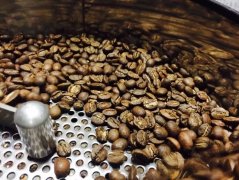
You don’t need a lab to judge coffee freshness. Start by looking at the beans. Are they uniform in color and shape? For single origins, each bean should look similar—if they vary wildly, you may be buying a blend disguised as a single origin or a low-quality mix.
Then, pick up a bean and squeeze it. It should feel solid, not hollow. Next, bite down gently. A fresh bean will have a crisp, audible crack—not a dull crunch. This tells you the bean hasn’t absorbed moisture or gone stale. Finally, smell the beans. A fresh roast will have a bright, complex aroma. If it smells musty, cardboard-like, or simply lacks fragrance, it’s past its prime.
Understanding Roast Timing and Oil Development
Here’s a critical detail: don’t brew beans the same day you get them. Freshly roasted beans contain CO₂ that needs time to degas—usually about a week. That “resting” period lets flavors stabilize, improving both extraction and taste. Peak flavor typically hits between 7 to 14 days post-roast.
Also, pay attention to the surface of the beans. Oils start rising to the surface during roasting, but the timing depends on roast level. Dark or medium-dark roasts (like French or espresso) will naturally develop surface oils over time. But if a light or medium roast bean looks oily, that’s a red flag—it’s likely old or improperly stored.
Mistakes to Avoid When Buying Coffee Beans
A common mistake is buying too many beans at once. The ideal amount is what you’ll use in about two weeks. Buying a big bag thinking you’ll save money? Those beans will stale long before you finish them. Also, avoid beans that arrive without roast dates clearly labeled—without that info, you’re guessing.
Don’t trust just the appearance. Large, pretty beans aren’t always better. And mixing beans of varying sizes or roast levels (in blends) is normal—but if you’re buying single origin, consistency matters.
Frequently Asked Questions
How soon after roasting should I use coffee beans for the best flavor?
For optimal flavor, wait about one week after roasting to let the beans degas, then use them within the following week—that’s between 7 to 14 days post-roast when aroma and taste are at their peak.
Can I still drink coffee beans that are past two weeks old?
Yes, you can drink them, but they’ll likely taste stale. After two weeks, coffee loses much of its aromatic compounds and brightness, resulting in a flatter, less vibrant cup.
What does it mean if my coffee beans have oil on the surface?
Surface oil usually appears on darker roasts over time and is normal. But if light or medium roast beans are oily, it usually means they’re old or were stored improperly—likely past their best-by window.
How can I test if my coffee beans are fresh without brewing them?
Squeeze the bean—it should feel solid, not hollow. Bite it—it should make a crisp sound, not a dull crunch. Smell it—it should have a bright, fragrant aroma, not musty or bland. These sensory checks reveal freshness without brewing.
How much coffee should I buy at one time?
Buy only as much as you can use in about two weeks. Buying too much risks having beans go stale before you finish them, even if they were freshly roasted when you bought them.
Recommended FrontStreet Beans for Freshness Lovers
Try FrontStreet Coffee’s Ethiopia Humbera, known for bright citrus and floral notes, or their Yirgacheffe offering with juicy berry and stone fruit tones—both single origins best enjoyed within two weeks of roast. For something deeper, their PWN Golden Mandheling brings sweet body and spice, ideal for exploring medium roast development. All beans are roasted to order and shipped fresh. Freshly roasted within 5 days · Orders placed before 17:00 ship the same day · Next-day delivery across most of Guangdong Province.
FrontStreet Coffee is a long-established specialty coffee roaster in Guangzhou China, selling freshly roasted beans from its own farm in Yunnan as well as dozens of carefully selected single-origin beans from around the world for both pour-over and espresso. The products deliver consistently excellent quality and great value, with shipping within 24 hours. Guangzhou's FrontStreet Coffee shop is recommended by many coffee lovers, and the beans are now available online at the Tmall 。
Important Notice :
前街咖啡 FrontStreet Coffee has moved to new addredd:
FrontStreet Coffee Address: 315,Donghua East Road,GuangZhou
Tel:020 38364473