How to Use an Espresso Machine: Step-by-Step Guide
If you’ve ever stood in your kitchen, coffee machine in hand, and wondered why your espresso tastes weak or takes forever to heat up—you’re not alone. Many people buy an espresso machine expecting barista-quality results, only to end up with lukewarm, thin shots. The truth is, using an espresso machine properly involves understanding how it works, what settings matter, and how to adjust for better flavor.
To make good espresso with an espresso machine, start with finely ground coffee, tamp evenly, use around 9–10 bars of pressure, and aim for a 25–30 second extraction. Most home machines work best with a brew ratio of 1:2 to 1:3 (grounds to espresso), and water should be heated to 90–96°C.
What Is an Espresso Machine and How Does It Work?
An espresso machine is a device that forces hot water through finely-ground coffee under high pressure—typically 9 bars or more—to produce a concentrated coffee shot known as espresso. This method extracts bold flavors quickly, creates a rich crema on top, and serves as the base for drinks like lattes, cappuccinos, and macchiatos. Traditional Italian-style espresso machines popularized this technique, which has since evolved into both manual and fully automatic versions.
Different Types of Espresso Machines and Their Functions
There are several types of espresso machines, each operating slightly differently:
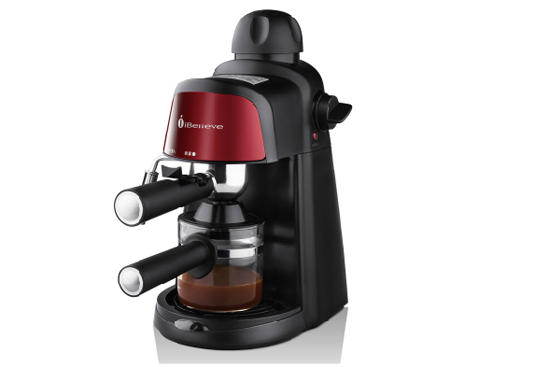
- Pump-driven or High-Pressure Machines: These are the most common for home and commercial use. They use an electric pump to generate 9+ bars of pressure, ensuring proper espresso extraction. Water is heated in a boiler or thermoblock, then pushed through tightly packed coffee grounds.
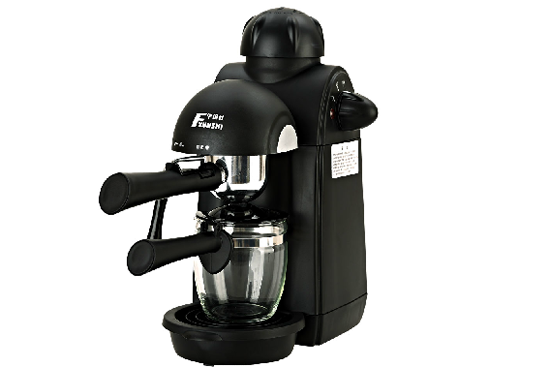
- Steam-Driven Machines: These older models use built-up steam pressure to force water through coffee. While they can produce espresso-like coffee, the pressure is usually lower than 9 bars, resulting in weaker extraction. They often include a steam wand for frothing milk.
- Semi-Automatic Machines: These require the user to grind, tamp, and start the shot manually, but the machine controls the brew time and pressure. They offer a balance of control and convenience.
- Automatic and Super-Automatic Machines: These handle everything from grinding to tamping to brewing, and some even self-clean. They are convenient but often more expensive and less customizable.
The classic Italian espresso machine—often semi-automatic—relies on the user to pack the coffee, start the pump, and stop the shot based on time and taste. Modern machines may automate much of this process but still depend on proper technique and settings.
How Espresso Machines Heat and Brew Coffee
Espresso machines use one of several methods to heat water and create pressure:
- Boiler Systems: Most traditional machines have a boiler that heats water to the ideal brewing temperature (typically 90–96°C). The heated water is then forced through the coffee grounds under pressure. Some boilers also maintain separate chambers for steaming milk.
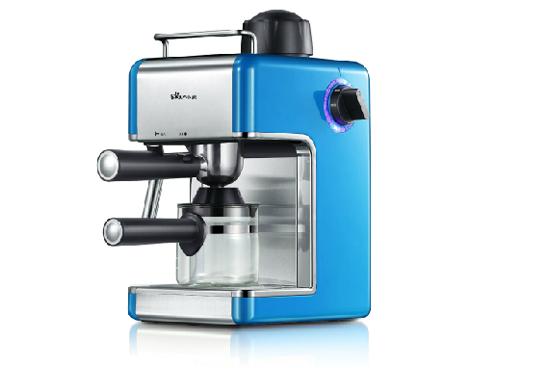
- Thermoblock or Thermo Coil Systems: Found in many modern machines, these heat water on demand using a metal block or coil system. They heat up faster but can struggle to maintain consistent temperatures for both brewing and steaming.
- Steam Pressure Method: In steam-driven machines, water is heated until it generates steam, which then forces water through the coffee at lower pressure. This method is less efficient for true espresso but is common in budget or older models.
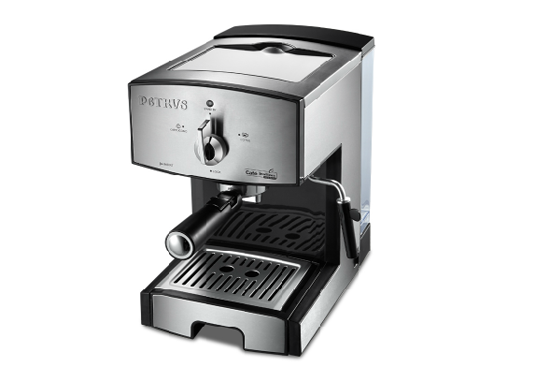
The water is pushed through the coffee grounds via a portafilter, which holds a compacted puck of espresso. The small basket and fine grind allow for the high-pressure extraction that defines espresso. Most machines direct the brewed coffee into a carafe or cup, often keeping it warm with a heated base or element.
Common Issues with Espresso Machines (and How to Fix Them)
Even good espresso machines can run into problems. Here are common issues and their solutions:
- Weak or Watery Coffee: If your espresso tastes weak, it might be due to using coffee that’s too lightly ground or tamped too loosely. The machine’s dosage markings are calibrated for very strong Italian-style coffee. For lighter roasts or less intense flavors, try overfilling the portafilter and leveling the coffee higher, then stopping the shot around the 2-mark on the dispenser.
- Coffee Too Cool: If your espresso isn’t hot enough, wait until the water coming from the machine is fully hot before inserting the portafilter. Preheating the machine or running water through it before brewing can help maintain temperature. Alternatively, keep the lid open during warm-up to help the internal water heat faster.
- Water Coming Out Too Soon After Turning On: This is normal in well-sealed machines. When first heated, pressure builds and can push water out before it’s ready. Wait until the water is hot, or open the water reservoir lid during heating to relieve some pressure and avoid early dripping.
These troubleshooting steps can improve both the temperature and strength of your espresso, leading to better-tasting drinks.
Popular Espresso Machine Brands and Models
Here are some well-known espresso machine brands, along with examples of their offerings and price ranges:
- Jura (Switzerland): Specializes in high-end fully automatic machines known for sleek design and premium performance.
- La San Marco (Italy): A leading producer of durable semi-automatic machines, with 25% of the Italian market and strong global export presence.
- Saeco (Philips) (Italy): Famous for its high-quality fully automatic machines, including the BMW and Royal series. Sub-brand Spidem produces well-known models like the Vera and Vienna.
- De’Longhi (Italy): Offers a wide range of stylish and functional machines sold in over 80 countries.
Other brands include Gaggia, METROL, KLT, KLUP, Faema, La Cimbali, and WTF. Specific models and their prices include:
- Eupa/ TSK-1819A (pump-driven): ¥1596.00
- CM6810 (steam-driven): ¥365.00
- De’Longhi EC330S (pump-driven): ¥1999.00
- Philips HD8743 (pump-driven): ¥3250.00
- Electrolux EES200 (pump-driven): ¥1799.00
These options vary in features, automation level, and price, catering to both beginners and coffee enthusiasts.
Frequently Asked Questions
Why does my espresso taste weak or watery?
Your espresso may taste weak because the default settings on many machines are calibrated for very strong Italian coffee. If you're using a lighter roast or less densely packed coffee, try overfilling the portafilter, applying a firmer tamp, or adjusting the dose to brew longer—such as stopping the shot around the 2-mark instead of the usual 1:2 ratio—to increase extraction and strength.
Why is my espresso not hot enough?
If your espresso is cooler than expected, it could be because you’re brewing before the machine has fully heated up. Wait until the water comes out very hot, or run water through the machine before inserting the portafilter. Preheating the machine or leaving the lid off during the warm-up phase can also help maintain a higher brewing temperature.
Why does water leak or come out as soon as I turn on the machine?
This is normal for many espresso machines, especially those with tight seals. When the machine heats up, pressure builds inside and can force water out before you’ve started brewing. To avoid this, wait until the water is hot before inserting the portafilter, or open the water tank lid during the initial heating phase to release some pressure.
What’s the difference between a pump and a steam espresso machine?
A pump espresso machine uses an electric pump to generate 9 bars or more of pressure, which is essential for true espresso extraction. A steam-driven machine relies on steam pressure, which is usually much lower and results in a less intense, more diluted coffee. Pump machines are generally preferred for authentic espresso.
Do I need a special grinder for espresso?
Yes. Espresso requires a very fine, consistent grind to work with the high pressure used in brewing. A burr grinder capable of adjusting to a fine setting is essential for proper extraction, as pre-ground coffee or coarse grinds will not produce good results in an espresso machine.
Which is better: semi-automatic or super-automatic espresso machines?
It depends on your priorities. Semi-automatic machines give you control over grind size, dose, and tamp, allowing for more customization and better quality when used skillfully. Super-automatic machines handle everything automatically, which is convenient but often at the cost of flexibility and sometimes flavor quality.
Recommended FrontStreet Coffee Blends for Espresso
For making authentic espresso at home, FrontStreet Coffee’s Classic Blend is an excellent starting point. Designed specifically for espresso and Moka pots, it delivers rich crema and a smooth, full-bodied profile even with non-professional equipment. For a more affordable yet flavorful option, the Black Cocoa Blend offers strong crema and deep taste without compromising on value—ideal for daily use or cost-conscious cafés. Those seeking a tried-and-true commercial option should try the Commercial Blend, which balances cost and performance for high-volume brewing. All three blends are optimized for espresso extraction and produce consistent results. Freshly roasted within 5 days · Orders placed before 17:00 ship the same day · Next-day delivery across most of Guangdong Province.
FrontStreet Coffee is a long-established specialty coffee roaster in Guangzhou China, selling freshly roasted beans from its own farm in Yunnan as well as dozens of carefully selected single-origin beans from around the world for both pour-over and espresso. The products deliver consistently excellent quality and great value, with shipping within 24 hours. Guangzhou's FrontStreet Coffee shop is recommended by many coffee lovers, and the beans are now available online at the Tmall 。
Important Notice :
前街咖啡 FrontStreet Coffee has moved to new addredd:
FrontStreet Coffee Address: 315,Donghua East Road,GuangZhou
Tel:020 38364473