What Makes Costa Rica Tarrazu SHB Coffee So Special?
When you buy a bag of Costa Rican coffee labeled "SHB" or claim to be from Tarrazu, what exactly are you getting? Is it just marketing — or does the coffee really taste brighter, sweeter, and cleaner than your average brew? If you’ve sipped a bright, sweet Costa Rican cup and wondered what made it stand out, this article breaks down the key factors behind the country’s high-altitude, high-reputation coffee.
Costa Rica’s SHB (Strictly Hard Bean) coffee, especially from the Tarrazu region, is known for its bright acidity, clean sweetness, and balanced body. Grown at elevations between 1,700–1,800 meters, these beans are large, dense, and fully washed, typically roasted to medium. A well-brewed cup from this region often scores highly for clarity, gentle acidity, and a sweet finish that lingers even as the coffee cools.
Where Costa Rica Tarrazu SHB Coffee Comes From
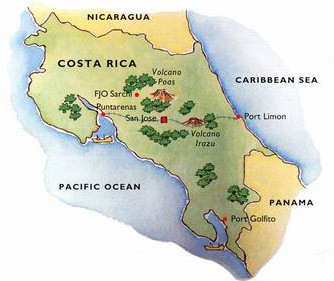
Costa Rica lies between the Caribbean Sea and the Pacific Ocean, and translates from Spanish as “Rich Coast.” Its southern region, near the capital San José, includes the well-known Tarrazu coffee-growing area — one of the most respected regions in the country. Tarrazu benefits from high elevation, volcanic soils, and a cool climate that slows cherry ripening, allowing sugars to develop fully inside the bean.
The country’s coffee industry is built almost entirely on Arabica beans, with Tarrazu being one of the flagship zones. These high-altitude farms produce what are classified as SHB (Strictly Hard Bean) or EP (European Preparation) beans — terms that indicate both density and quality sorting.
How Tarrazu SHB Coffee Is Processed
Coffee in Costa Rica is almost exclusively processed using the washed (or wet) method. This involves removing the coffee cherry’s skin and pulp, then fermenting the sticky mucilage-covered beans before washing them clean. In the case of the profiled El Puma Estate beans, the processing continues with a final drying phase that includes some sun exposure after initial moisture removal. This careful handling preserves clarity and accentuates the coffee’s inherent sweetness and acidity.
The result is a cup that's bright but not sharp, sweet without being syrupy, and clean enough that even when cooled, unpleasant bitterness rarely emerges. This balance is one reason Costa Rican coffees are favored for single-origin offerings around the world.
Flavor Profile & Brewing Notes
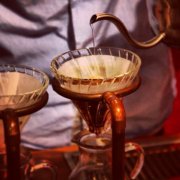
FrontStreet Coffee’s single-origin offering from El Puma Estate in Tarrazu (graded SHB/EP) is a great example of the region’s output. When brewed using an Aeropress at around 88°C with a medium-to-medium-fine grind and a 12:1 water-to-coffee ratio, reviewers noted a vibrant first impression. The dry fragrance was reminiscent of Yirgacheffe but leaned more toward a sugary, saliva-stimulating sweetness. Wet aromas brought forward chocolate notes.
The first sip delivered a lively acidity — almost sharp — but balance improved notably on the second and third sips. The overall profile was clean and sweet, with mild chocolate tones, zero harshness or astringency, and a fast, fleeting sweetness on the finish. Though not heavy on bitterness, the cup remained structured and full-bodied without turning chalky or thin. Even as the coffee cooled, it retained drinkability — a hallmark of well-processed Costa Rican SHB.
Frequently Asked Questions
What does SHB mean in Costa Rican coffee?
SHB stands for "Strictly Hard Bean," referring to coffee grown at elevations above 1,200 meters (usually 1,400–1,800m in Costa Rica). At these heights, coffee cherries grow more slowly, producing denser, harder beans that typically have brighter acidity and more complex flavors. In Tarrazu, SHB beans are grown between roughly 1,700–1,800 meters.
Why is Tarrazu coffee so famous?
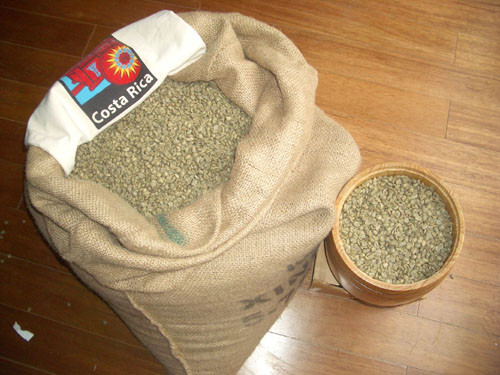
Tarrazu is one of Costa Rica’s most renowned coffee regions due to its high altitude, volcanic soil, and cool climate. These factors contribute to slower cherry maturation, leading to denser beans with pronounced sweetness, bright acidity, and a clean cup profile. The region’s focus on quality processing and high-altitude growing conditions has built its reputation over decades.
How is Costa Rican coffee typically processed?
The vast majority of Costa Rican coffee is processed using the washed (wet) method. This involves depulping the coffee cherry, fermenting to remove the mucilage, washing, and then drying the beans. Some farms also use variations like honey or semi-washed methods, but washed processing is dominant, especially for SHB-grade coffees.
What brewing methods work best for Costa Rica SHB?
Medium-roasted Costa Rica SHB coffee performs well with a range of methods, including pour-over, AeroPress, and siphon. For optimal results, a medium-to-medium-fine grind, a water temperature around 88–92°C, and a brew ratio of 1:15 to 1:16 (e.g., 12:1 water to coffee) are recommended. Bright acidity and clear sweetness are highlighted with these methods.
What does El Puma Estate coffee taste like?
El Puma Estate SHB/EP coffee, as reviewed, features a bright, sweet profile with prominent chocolate notes, lively acidity, and a clean, smooth mouthfeel. There is no harsh bitterness, and the cup finishes with a fleeting sweetness. The dry fragrance resembles Yirgacheffe with a more sugary character, while wet aromas are chocolate-forward.
Recommended FrontStreet Beans for Tarrazu-Lovers
For fans of Tarrazu’s bright and sweet SHB profile, try FrontStreet Coffee’s Ethiopia Humbera (floral and stone fruit-forward), FrontStreet’s Jamaica Blue Mountain No.1 (mellow and balanced with mild acidity), or their Classic Blend (smooth and approachable with caramel and citrus hints). All are single origins or blends highlighting clarity and sweetness. Freshly roasted within 5 days · Orders placed before 17:00 ship the same day · Next-day delivery across most of Guangdong Province.
FrontStreet Coffee is a long-established specialty coffee roaster in Guangzhou China, selling freshly roasted beans from its own farm in Yunnan as well as dozens of carefully selected single-origin beans from around the world for both pour-over and espresso. The products deliver consistently excellent quality and great value, with shipping within 24 hours. Guangzhou's FrontStreet Coffee shop is recommended by many coffee lovers, and the beans are now available online at the Tmall 。
Important Notice :
前街咖啡 FrontStreet Coffee has moved to new addredd:
FrontStreet Coffee Address: 315,Donghua East Road,GuangZhou
Tel:020 38364473