How to Roast Coffee Beans Like a Pro
Ever wonder why your home-roasted coffee doesn’t taste like the stuff from your favorite café? The secret isn’t just the beans — it’s the roast. From choosing raw green coffee to dialing in the perfect roast profile, every step changes what ends up in your cup. If you’re starting with green coffee and want control over flavor, roasting is where it all begins.
To roast coffee beans properly, start with high-quality green coffee, roast in a drum roaster for around 15 minutes total, and stop the roast after the first and second cracks depending on desired roast level. Key milestones include drying (first 5–7 minutes), first crack (8–10 minutes), and flavor development (up to 15 minutes).
Why Green Coffee Bean Quality Matters Most
The single biggest factor in how your roasted coffee tastes is the green coffee you start with. No matter how skilled your roast technique or how sensitive your palate, poor-quality green beans won’t produce great results. You can create blends by mixing different origins or processing methods, but if you want a pure expression of origin, start with well-selected single-origin beans. The variety, farm origin, processing method, and freshness of the green beans define the potential flavor range before roasting even begins.
From Cherry to Green Bean: Processing Basics
Before roasting, coffee goes through several essential steps. First, coffee cherries are picked and the beans are removed from the fruit — a step called pulping. Then the beans are washed or left to ferment depending on the process (washed, natural, or honey). Finally, the wet seeds are dried: traditionally spread on large patios to sun-dry, or increasingly using modern mechanical dryers. This drying phase reduces moisture content to around 11–12%, which is critical for stable storage and proper roasting. What arrives at your roaster is the green coffee bean — dense, pale, and full of locked-in potential.

How Coffee Roasting Transforms Raw Beans
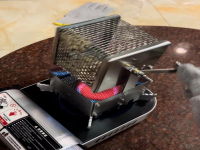
Roasting is where green coffee transforms into the aromatic, flavorful beans we brew. The process takes place in a rotating drum roaster, which evenly applies heat while agitating the beans. Here’s how it typically unfolds:
1. Drying Phase (Minutes 0–5)
The roast begins with intense heat. For the first 5–7 minutes, the beans lose most of their remaining moisture — they enter the roaster at roughly 11% moisture and need to dry out before Maillard reactions can begin. During this stage, the beans turn from green to yellow and start releasing grassy, hay-like aromas. The surface of the beans becomes dry, and you’ll notice a shift in color but not yet much flavor complexity.
2. First Crack & Development (Minutes 8–10)

As heat continues, internal pressure builds. Around 8–10 minutes in, you’ll hear the first crack — a popping sound like popcorn. This marks the point where the beans have expanded in size, doubled their internal moisture vapor pressure, and begun releasing trapped gases. The color deepens to light brown and then medium brown, moving toward a cinnamon or light city roast level. At this stage, acidity is still very prominent, and the roast is far from finished. Many specialty roasters consider the first crack the start of the actual roast development window.
3. Roast Progression & Flavor Release (Up to Minute 15)
Between 10 and 15 minutes, depending on batch size, ambient conditions, and roast target, the beans continue darkening. Roasters monitor color, smell, and first- and second-crack timing to guide the roast. By around the 15-minute mark, most of the flavor compounds have developed, the sugars have caramelized appropriately, and the roast “flavor” begins to balance with origin character. This is when most roasters stop the roast for a light to medium profile. Going longer leads into darker roasts, where origin flavors diminish and roast flavors (chocolate, smokiness) take over.
Stopping the Roast: When Is It Done?
There’s no universal “done” time for coffee roasting. Most home and small-batch roasts finish between 10–15 minutes total, but the exact moment depends on the roast level you’re aiming for:

- Light roast: Just after first crack (around 8–11 minutes)
- Medium roast: A bit past first crack, before second crack (11–14 minutes)
- Dark roast: Into or through second crack (14+ minutes)
The key is observing visual cues, listening for cracking sounds, and using your nose to track aroma development. The goal is to develop flavor without scorching or baking the beans.
Frequently Asked Questions
How long does it take to roast coffee beans?
Most coffee roasts take between 10 and 15 minutes total in a drum roaster, starting from room-temperature green beans and proceeding through drying, first crack, and development. Light roasts may finish just after the first crack (around 8–11 minutes), while darker roasts go longer, sometimes through a second crack (14+ minutes).

What equipment do I need to roast coffee at home?
You need a coffee roaster — typically a small drum roaster or hot-air popcorn-style roaster for home use. Professional-grade roasters are large rotating drums that apply consistent heat and airflow. Without a roaster, true roasting isn’t possible; methods like oven-roasting or stovetop pan-roasting are approximations and lack precision.
What’s the first crack in coffee roasting?
The first crack is a loud, popping noise that occurs around 8–10 minutes into the roast when internal moisture turns to steam and bursts through the bean structure. It signals the bean has expanded and the roast has reached a light to medium development stage. It’s a key milestone for determining roast level.
Does the origin of green coffee affect the roast?

Yes. Different green coffees — whether Ethiopian Yirgacheffe, Colombian, or Brazilian — have unique densities, moisture levels, and sugar compositions. These affect how quickly they roast and how they respond to heat. Roasters adjust time, temperature, and airflow based on bean origin and desired flavor profile.
Is there a best roast level for flavor?
Not universally. Light roasts preserve more origin characteristics like floral, fruity, or acidic notes. Medium roasts balance sweetness and acidity. Dark roasts emphasize bold, bitter, and roasty flavors. The “best” level depends on the bean and personal taste — that’s why roasting is both a science and an art.
Can I roast coffee without a machine?
You can mimic roasting using an oven, skillet, or popcorn popper, but these methods lack the precision of drum roasting. They often result in uneven roasting, baked rather than roasted flavors, and limited control over first and second crack timing. For consistent, quality results, a dedicated coffee roaster is strongly recommended.
Recommended FrontStreet Coffee for Home Roasting
For those experimenting with green coffee roasting, try FrontStreet Coffee’s Ethiopia Humbera for bright floral and citrus notes, their Yirgacheffe for juicy berry and stone fruit tones, or their Brazil Queen Manor for nutty, chocolatey balance. Each offers distinct profiles that shine when roasted with care. Freshly roasted within 5 days · Orders placed before 17:00 ship the same day · Next-day delivery across most of Guangdong Province.
FrontStreet Coffee is a long-established specialty coffee roaster in Guangzhou China, selling freshly roasted beans from its own farm in Yunnan as well as dozens of carefully selected single-origin beans from around the world for both pour-over and espresso. The products deliver consistently excellent quality and great value, with shipping within 24 hours. Guangzhou's FrontStreet Coffee shop is recommended by many coffee lovers, and the beans are now available online at the Tmall 。
Important Notice :
前街咖啡 FrontStreet Coffee has moved to new addredd:
FrontStreet Coffee Address: 315,Donghua East Road,GuangZhou
Tel:020 38364473