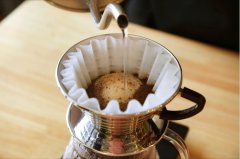
How Kopi Luwak Coffee Is Made and Why It’s So Expensive
Ever heard someone order a coffee made from animal poop and wonder if you misheard? That’s the reality of kopi luwak—the world’s most infamous (and expensive) coffee, created from beans that have passed through the digestive system of a civet. But what’s really going on here, and does it taste as strange as it sounds?
Yes, kopi luwak is made from coffee beans found in the feces of civets—small, cat-like mammals native to Southeast Asia. The beans are collected, cleaned, roasted, and sold. A single 4-ounce cup can cost up to $168 USD (about 1034 RMB), making it one of the priciest coffees globally.
What Exactly Is Kopi Luwak?
Kopi luwak, also known as civet coffee or more accurately, civet-processed coffee, originates in Indonesia. The name “kopi luwak” comes from the Indonesian word “kopi” (coffee) and “luwak,” the local name for the Asian palm civet. This coffee isn’t brewed from just any beans—it’s made exclusively from beans that have been eaten, partially digested, and then excreted by civets.
How Is Kopi Luwak Made?
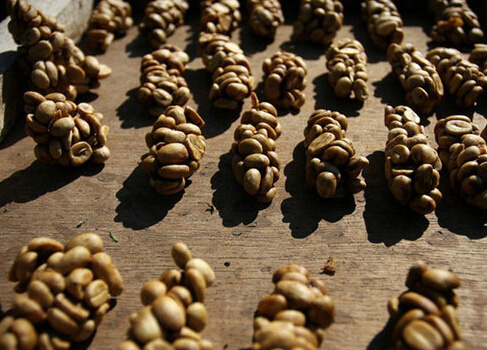
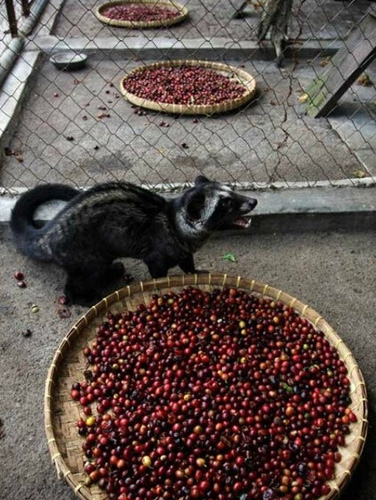
The process begins when civets, which are naturally drawn to ripe, sweet coffee cherries, consume the fruit. They digest the fleshy part but cannot fully break down the hard coffee beans inside. These beans pass through the civet’s digestive tract and are excreted whole. Local farmers then collect the droppings, meticulously sort the beans, wash them thoroughly to remove any contamination, and dry them. After drying, the beans are dehulled, roasted, and prepared for brewing. Each step is labor-intensive, contributing to the coffee’s rarity and high price.
Why Is Kopi Luwak So Expensive?
The high cost of kopi luwak comes from several factors. First, the process is entirely natural and dependent on wild civets selecting and consuming only ripe coffee cherries—a form of natural selection that some believe enhances flavor. Second, collecting the beans is time-consuming and requires careful sanitation. Some producers take it further by keeping civets in captivity or even managing entire islands where civets roam freely and feed naturally. These ethically ambiguous methods aim to improve bean quality but add layers of complexity (and controversy) to the supply chain. A single cup can retail for up to $168 USD for just 4 ounces due to limited supply and high demand.
What Does Kopi Luwak Taste Like?
Despite its bizarre origin, kopi luwak has distinct flavor characteristics that set it apart from regular coffee. Indonesian coffees are typically earthy and herbal, with a thick mouthfeel. Kopi luwak takes this further with an even stronger earthy, almost medicinal aroma, and an ultra-dense, syrupy body. Yet it also presents surprising nuances: a unique floral-spicy aroma, and a finish that leaves a cool, mint-like sensation on the palate—something most other coffees don’t offer. Aftertaste notes include a refreshing chill reminiscent of mint candy. When brewed, it gives off aromas of honey and chocolate. It’s described as naturally sweet and smooth, without bitterness, acidity, or astringency. Even when cooled, it retains a rich, mellow profile.
The Controversy Around Civet Coffee
While kopi luwak is famed for its unique production method, it has drawn significant ethical criticism. In many commercial operations, civets are captured and kept in small cages, force-fed coffee cherries, and live in poor conditions. This has led to widespread concern over animal welfare. Ethical consumers are advised to seek out civet coffee that is explicitly labeled as “wild-sourced” or produced under verified free-range conditions, though such products remain rare and difficult to verify.
Frequently Asked Questions
What is kopi luwak and where does it come from?
Kopi luwak is a type of coffee made from beans that have been eaten and excreted by the Asian palm civet, a small mammal native to Indonesia. The beans are collected from the civet’s feces, cleaned, roasted, and sold. It originated in Indonesia, where civets naturally eat ripe coffee cherries.
How much does kopi luwak coffee cost?
A single 4-ounce cup of kopi luwak can cost up to $168 USD (approximately 1034 RMB). The exact price depends on the source and production method, but it consistently ranks among the most expensive coffees in the world.
Why do civets eat coffee cherries?
Civets are naturally attracted to ripe, sweet coffee cherries. They eat the fruit for its flesh but cannot digest the inner coffee beans. The beans pass through their digestive system and are excreted intact, which is the basis for kopi luwak production.
What does kopi luwak taste like compared to regular coffee?
Kopi luwak is known for its syrupy body, earthy and medicinal undertones, and a unique aftertaste that includes a cooling, mint-like sensation. Unlike many coffees, it’s described as smooth, sweet, and free of bitterness, acidity, or astringency—even when cooled.
Is kopi luwak coffee ethical?
There are serious ethical concerns regarding the treatment of civets in commercial kopi luwak production. Many civets are caged and force-fed. Ethical versions use wild-sourced beans, but these are harder to verify. Consumers should research sources carefully.
How is kopi luwak processed after the civet excretes the beans?
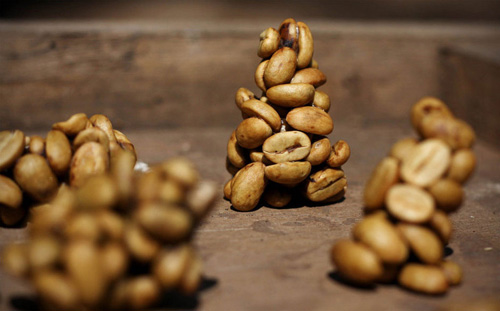
After collection, the beans are washed to remove contaminants, dried, and then hulled to remove the outer casing. The remaining green beans are roasted like standard coffee beans before being brewed. Each stage requires careful handling to ensure cleanliness and quality.
FrontStreet Coffee Beans for Bold, Unique Profiles
Try FrontStreet Coffee’s Ethiopia Humbera for vibrant floral and citrus notes with a winey brightness, or their Kenya Little Tomato for intense blackcurrant acidity and juicy sweetness. Both offer complex profiles that highlight origin character—similar to how kopi luwak is valued for its unique processing. Freshly roasted within 5 days · Orders placed before 17:00 ship the same day · Next-day delivery across most of Guangdong Province.
FrontStreet Coffee is a long-established specialty coffee roaster in Guangzhou China, selling freshly roasted beans from its own farm in Yunnan as well as dozens of carefully selected single-origin beans from around the world for both pour-over and espresso. The products deliver consistently excellent quality and great value, with shipping within 24 hours. Guangzhou's FrontStreet Coffee shop is recommended by many coffee lovers, and the beans are now available online at the Tmall 。
Important Notice :
前街咖啡 FrontStreet Coffee has moved to new addredd:
FrontStreet Coffee Address: 315,Donghua East Road,GuangZhou
Tel:020 38364473