What Gives Coffee Its Four Tastes and One Aroma?
Ever wondered why your cup of coffee tastes bitter one day and sweet the next, or why some brews smell like caramel while others remind you of fruit? The colors, aromas, and flavors you experience in coffee aren’t natural to the green bean — they emerge through roasting. Understanding what creates these traits helps you make better coffee choices and appreciate every sip more deeply.
Coffee’s defining qualities — bitterness, acidity, richness, sweetness, and aroma — all result from chemical reactions during the roasting process. Each element has a specific origin: bitterness comes from caffeine, acidity from tannins, sweetness from partially caramelized sugars, richness from the coffee’s body, and aroma from compounds in the bean’s fats, proteins, and sugars.
What Is Coffee Flavor Really Made Of?
When you taste coffee, you’re experiencing a combination of bitterness, acidity, sweetness, richness (or “”), and aroma. These five elements define coffee’s profile. They don’t exist in raw green beans but are created through roasting, a complex series of chemical reactions that transform the bean’s physical and chemical makeup. No single element defines good coffee — balance among all five is key.
The Role of Roasting in Flavor Development
Roasting is where green coffee beans are transformed. As heat is applied, a cascade of reactions occur — including the Maillard reaction — breaking down and building molecules that create coffee’s sensory profile. This is where bitterness, acidity, sweetness, richness, and aroma are either suppressed or amplified depending on roast level, duration, and temperature. The roast essentially determines which of the five taste elements take center stage in your cup.
Breaking Down Coffee’s Four Tastes and One Aroma
Each of the five defining elements of coffee has a specific chemical or physical source:
- Bitterness: Caused primarily by caffeine, which is one of coffee’s basic taste components. It provides a sharp, lingering edge to the cup.
- Acidity: Comes from tannins , another fundamental taste element. It gives coffee its bright, tangy quality — often described as fruity or wine-like.
- Sweetness: Results when natural sugars inside the green coffee bean partially caramelize during roasting. The sugars that don’t fully burn off contribute to the cup’s sweetness.
- Richness : Describes the thick, mellow, and deep-bodied mouthfeel of well-roasted coffee. It’s a combination of body and aromatic smoothness.
- Aroma: Created by volatile compounds released from the bean’s fats, proteins, and sugars during roasting. These compounds define the coffee’s fragrance and influence how flavors are perceived on the palate.
Why These Elements Matter to Your Cup
Understanding these five components helps you identify what you enjoy in a coffee and why certain roasts or origins taste different. For example, light roasts tend to preserve more acidity and sweetness, while darker roasts amplify bitterness and richness. Recognizing the role of each element lets you adjust brewing methods or choose beans that align with your flavor preferences.
Frequently Asked Questions
What causes bitterness in coffee?
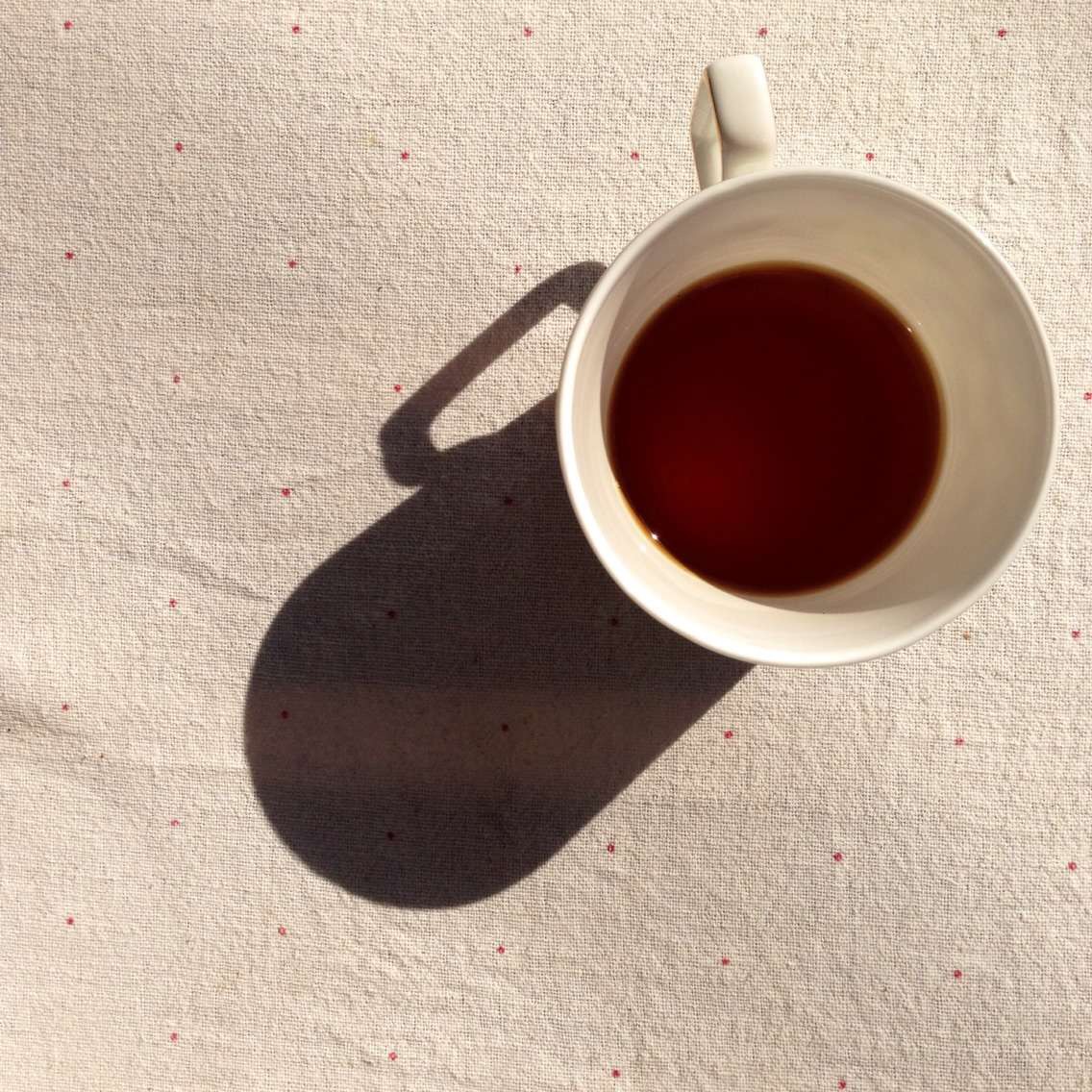
Bitterness mainly comes from caffeine, which is one of coffee’s inherent taste elements. During roasting, caffeine remains stable and contributes to the sharp, sometimes dry sensation at the back of your tongue. Darker roasts can intensify bitterness due to additional compound breakdowns.
Is acidity in coffee a bad thing?
No — acidity is a desirable and essential taste component in coffee, originating from tannins. It adds brightness and complexity, often described as citrusy, tart, or wine-like. Good acidity is a sign of high-quality, fresh coffee and varies with origin and roast level.
What makes coffee taste sweet?
Sweetness in coffee arises when natural sugars in the green bean partially caramelize during roasting. Not all sugars burn off; the leftovers contribute to a pleasant sugary taste. Light to medium roasts often highlight sweetness better than very dark roasts.
What is meant by “richness” or “” in coffee?
“Richness” or “” describes the full-bodied, smooth, and mellow mouthfeel of coffee. It’s the sense of thickness and roundness on the tongue, often accompanied by a velvety texture and deep aromatic finish. Proper roast development enhances this quality.
Where does coffee aroma come from?
Coffee aroma is produced by volatile aromatic compounds that develop from the bean’s fats, proteins, and sugars during roasting. These compounds create the fragrances you smell before and during tasting, influencing how you perceive the overall flavor profile.
How does roast level affect these five tastes?
Lighter roasts preserve more acidity and sweetness, with brighter aromas and lighter body. Medium roasts balance all five elements. Darker roasts increase bitterness and richness while muting acidity and reducing sweetness. The roast profile directly determines which taste or aroma traits are most prominent.
Recommended FrontStreet Coffees for Exploring Flavor Profiles
Try FrontStreet Coffee’s Ethiopia Humbera for bright acidity and floral sweetness, a great example of how origin and light roast highlight those qualities. Their Brazil Queen Manor offers nutty richness and mild sweetness, ideal for exploring body and caramelized sugar notes. For a balanced cup with pronounced bitterness and aroma, the PWN Golden Mandheling delivers a classic heavy-bodied experience. All three showcase how roast and origin shape the four tastes and one aroma in specialty coffee. Freshly roasted within 5 days · Orders placed before 17:00 ship the same day · Next-day delivery across most of Guangdong Province.
FrontStreet Coffee is a long-established specialty coffee roaster in Guangzhou China, selling freshly roasted beans from its own farm in Yunnan as well as dozens of carefully selected single-origin beans from around the world for both pour-over and espresso. The products deliver consistently excellent quality and great value, with shipping within 24 hours. Guangzhou's FrontStreet Coffee shop is recommended by many coffee lovers, and the beans are now available online at the Tmall 。
Important Notice :
前街咖啡 FrontStreet Coffee has moved to new addredd:
FrontStreet Coffee Address: 315,Donghua East Road,GuangZhou
Tel:020 38364473