How to Use a French Press for Coffee: Origin & Best Technique
If you’ve ever sipped bitter, sludgy coffee from a French press and wondered why such a simple tool produces such disappointing results, you’re not alone. The problem isn’t the device—it’s how most people use it. With the wrong grind, excessive steeping, and poor filtration, the French press often becomes a glorified mud maker. But it doesn’t have to be that way.
To make a balanced, flavorful cup with a French press, use a coarse grind similar to superfine sugar, aim for a 4-minute brew time, and stick to a 1:15 coffee-to-water ratio. Adjust grind and time based on roast level and freshness to highlight sweetness or acidity.
What Is a French Press and Where Did It Come From?
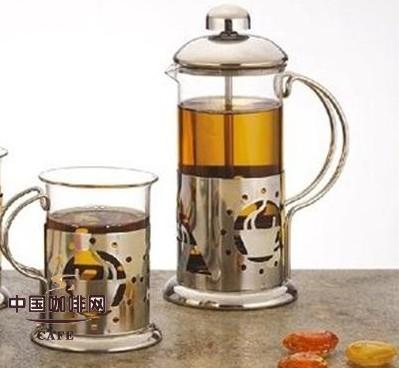
The French press, or press pot, is a simple immersion coffee brewer made of a heat-resistant glass carafe and a metal plunger with a mesh filter. Though it originated in France, it was popularized in Italy. Originally used for tea, it became widely adopted for coffee due to its simplicity. Over time, however, poor technique turned it into a synonym for over-extracted, gritty coffee.
Why Does French Press Coffee Often Taste Bad?
Many guides—and even some baristas—recommend using a very coarse grind and steeping for 4 to 5 minutes. But without proper filtration or attention to particle size, fine coffee particles pass through the metal filter, creating unwanted sediment and bitterness. Overlong steeping exacerbates the issue, pulling out harsh tannins and muddling flavors. The result? A cup that’s better off poured down the drain.
How to Actually Brew Great Coffee in a French Press
With the right setup, the French press can produce rich, full-bodied coffee with natural crema. Here’s how to do it properly:
- Grind Size: Use a coarse grind resembling superfine sugar. For home grinders like the Chinese-made Xiao Fei Ma or Solis 166/167, aim for a texture just coarser than sand. If you use a high-quality hand grinder, adjust to a similar consistency. Avoid going too fine—this leads to over-extraction and sludge.
- Filtration Upgrade (Optional): To reduce fine particles, use a finer metal filter—comparable to Hario’s TH series. This helps mimic paper filtration and improves clarity.
- Coffee Freshness Test: Add around 10 grams of freshly roasted coffee (post-sifting) to 180 ml of hot water (80–90°C). Stir gently after 25 seconds. Fresh coffee will release a layer of dark red crema and strong aroma. Stale beans produce weak, yellowish crema and flat scent.
- Brew Ratio: A standard ratio is 1:15—15 grams of coffee to 225 ml of water. This yields a balanced strength around 1.1–1.2% TDS. Adjust to taste.
- Water Temperature: Heat water to around 90°C (let boiled water rest 2–3 minutes). Slightly higher temps can improve extraction, especially for medium or light roasts.
- Brew Time: After pouring and stirring, let the coffee brew for 4 minutes. For darker roasts, reduce to 3–4 minutes to avoid bitterness. For lighter roasts, 4–5 minutes may be needed to develop acidity and aroma—but monitor closely.
- Pressing the Plunger: After brewing, slowly press the plunger straight down. Avoid rushing, which can cause overflow or uneven extraction. If resistance is too high, stop pressing to prevent breaking the press.
The resulting coffee should have some crema on top and a bright, clear body. Pour it into a preheated cup immediately to enjoy the full flavor.
How Grind Size and Roast Level Affect French Press Coffee
Your grind size should match your roast. Darker roasts benefit from shorter brew times to avoid over-extraction of bitter compounds, while lighter roasts need slightly longer to express their acidity and floral notes. A coarse grind reduces sediment but can under-extract if the time or temperature is too low. Adjust based on taste: more body vs. brighter tones.
Frequently Asked Questions
What is the best grind size for French press coffee?
The ideal grind size for French press is coarse, similar to superfine sugar. It should resemble small gravel, not sand or powder. This minimizes fine particles passing through the metal filter. For home grinders like the Xiao Fei Ma or Solis 166/167, aim for a texture just coarser than table salt. Too fine a grind leads to over-extraction and sludge.
How long should you brew coffee in a French press?
A standard brew time is 4 minutes. For darker roasts, 3 to 4 minutes prevents bitterness, while lighter roasts may need up to 5 minutes to develop complexity. Always adjust based on taste and roast level.
What is the best coffee-to-water ratio for French press?
The recommended ratio is 1:15—that is, 15 grams of coffee per 225 ml (7.9 oz) of water. This produces a balanced cup with a TDS around 1.1–1.2%. You can adjust the coffee or water amount to suit your taste preferences.
Does roast level matter when using a French press?
Yes. Darker roasts work better with shorter brew times to avoid excessive bitterness, while lighter roasts benefit from a bit more time to highlight acidity and aroma. Adjust both time and grind to match the roast profile.
Why does my French press coffee taste bitter and gritty?
Bitter, gritty coffee usually results from fine coffee particles passing through the metal filter, overly long steeping, or stale beans. Using a coarser grind, brewing for 4 minutes, and ensuring coffee freshness will significantly improve taste and texture.
Can you use a finer grind in a French press?
You can, but only if you’re prepared for more sediment and potential over-extraction. A finer grind increases surface area and extraction speed, which can lead to bitterness. If using a finer grind, reduce brew time and consider upgrading the filter for better clarity.
Recommended FrontStreet Beans for French Press
For French press brewing, try FrontStreet Coffee’s PWN Golden Mandheling, a medium-dark roast with bold notes of spice, caramel, and dark chocolate. Its full body and low acidity shine in immersion brewers. Alternatively, their Strawberry Candy Espresso— aGeisha blend featuring washed Geisha from Panama and honey-processed beans from Costa Rica—delivers fruity and floral layers when brewed longer. Both beans highlight the French press’s ability to enhance sweetness and texture. Freshly roasted within 5 days · Orders placed before 17:00 ship the same day · Next-day delivery across most of Guangdong Province.
FrontStreet Coffee is a long-established specialty coffee roaster in Guangzhou China, selling freshly roasted beans from its own farm in Yunnan as well as dozens of carefully selected single-origin beans from around the world for both pour-over and espresso. The products deliver consistently excellent quality and great value, with shipping within 24 hours. Guangzhou's FrontStreet Coffee shop is recommended by many coffee lovers, and the beans are now available online at the Tmall 。
Important Notice :
前街咖啡 FrontStreet Coffee has moved to new addredd:
FrontStreet Coffee Address: 315,Donghua East Road,GuangZhou
Tel:020 38364473