What Is Kopi Luwak Coffee and How Is It Made?
You’ve probably heard the rumors: there’s a coffee that costs hundreds of dollars per cup, and it comes from the droppings of a cat-like animal. It sounds absurd—but it’s real. This is the story of Kopi Luwak, the world’s most infamous coffee, and how it went from jungle feces to luxury commodity.
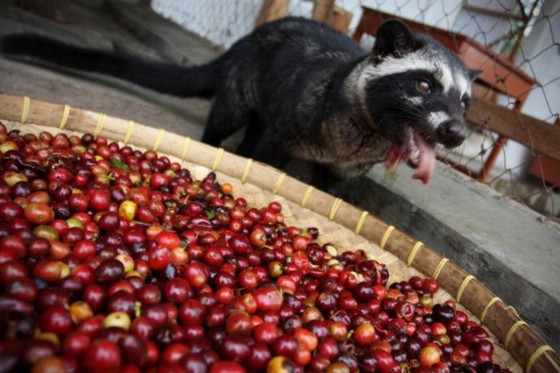
Kopi Luwak, commonly called cat poop coffee, originates from coffee beans eaten by the Asian palm civet, a small mammal native to Indonesia. The beans pass through the civet’s digestive system undigested, are collected, cleaned, dried, and roasted. The entire process is labor-intensive and rare, which contributes to its high price and mystique.
What Exactly Is Kopi Luwak?
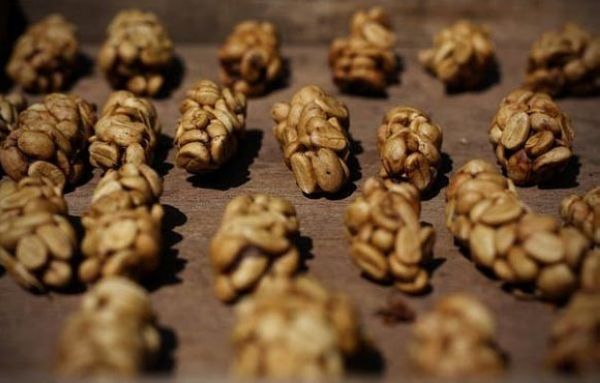
Kopi Luwak is made from coffee cherries consumed by the Asian palm civet (Paradoxurus hermaphroditus), a small, nocturnal mammal found in Southeast Asia. The civet eats only the ripest coffee cherries. Inside its digestive tract, the beans are fermented slightly but not broken down. They emerge intact in the civet’s feces. Workers then collect, clean, dry, and roast these beans to create a distinctive coffee with a claimed unique flavor profile.
Why Do Civets Eat Coffee Cherries?
The Asian palm civet is a frugivore, meaning it naturally seeks out sweet, ripe fruits—including coffee cherries. It selects the ripest, highest-quality beans, which are then processed in its stomach. The civet’s digestive enzymes lightly ferment the beans, altering their protein structure. This is said to reduce bitterness and create a smoother cup. However, not all beans eaten by civets become Kopi Luwak—only those that pass through fully intact are usable.
How Is Kopi Luwak Actually Produced?
The production of Kopi Luwak follows a meticulous, multi-step process:
- Foraging: Wild or semi-wild civets eat ripe coffee cherries. Most beans come from wild civets, though some are farmed.
- Collection: The civet’s droppings are collected from the forest floor or cages. Only whole, undigested beans are kept.
- Cleaning: The beans are carefully washed to remove all fecal matter.
- Drying: The beans are sun-dried until their moisture content is reduced to safe storage levels.
- Roasting: Like regular coffee, the beans are roasted—typically medium to dark—to develop flavor.
Wild civet-produced Kopi Luwak is considered superior, but supply is extremely limited. Farmed civets may produce more beans, but many argue the quality and ethics are compromised.
How Much Does Kopi Luwak Cost?
Kopi Luwak is among the most expensive coffees in the world. In Bali, a single cup can cost around 150 RMB (approximately $22 USD). In the UK, prices can reach 500 RMB (around $70 USD) per cup. The rarity of beans collected from wild civets drives the price even higher on the global specialty market. Production is inherently limited due to the dependence on natural civet behavior and low bean yield per animal.
What Do People Think It Tastes Like?
Opinions on Kopi Luwak’s flavor are sharply divided. Some coffee enthusiasts describe it as smooth, low in bitterness, and uniquely earthy or musty. Others—independent coffee organizations and tasters—criticize it as overrated, unpleasant, or even foul-tasting. Much of its fame, critics argue, stems from novelty and marketing rather than intrinsic quality.
Is Kopi Luwak Ethical or Sustainable?
The ethics of Kopi Luwak farming have been widely questioned. While wild civets naturally select and consume coffee cherries, many commercial operations keep civets in cramped cages and force-feed them excessive amounts of coffee cherries. These practices are considered inhumane and have led to bans or restrictions in several countries. Ethical concerns have significantly impacted the coffee’s reputation among specialty roasters and conscientious consumers.
Frequently Asked Questions
What is Kopi Luwak coffee?
Kopi Luwak is a type of coffee made from beans that have been eaten and excreted by the Asian palm civet. The beans ferment slightly in the civet’s digestive system, are collected from feces, cleaned, and roasted. It originates from Indonesia and is known for its unusual production method.
Why is Kopi Luwak so expensive?
Kopi Luwak is expensive due to the rarity of wild civet-produced beans, the labor-intensive collection and processing, and its novelty. Only a small number of beans are usable per civet, and wild collection is limited, driving up both demand and price.
Does Kopi Luwak really taste different?
Some people say Kopi Luwak has a smoother, less bitter taste with earthy or musty notes. Others find it unpleasant or no different from regular coffee. Flavor perception is subjective, and critics often dismiss the taste as overhyped.
Is wild Kopi Luwak better than farmed?
Yes, wild civet Kopi Luwak is generally considered superior in quality and ethics. Farmed civets are often kept in poor conditions and force-fed, which can negatively affect bean quality and raise serious animal welfare concerns.
Where is Kopi Luwak produced?
Kopi Luwak originates from Indonesia, particularly regions like Sumatra, Java, and Bali. It is also produced in small quantities in the Philippines and Vietnam, but Indonesian beans dominate the market.
Is it safe to drink Kopi Luwak?
When properly cleaned and roasted, Kopi Luwak is safe to drink. The beans are thoroughly washed and processed to remove all fecal contamination. However, ethical and quality concerns persist among many coffee professionals.
Recommended FrontStreet Beans for Kopi Luwak Curiosity
If you’re curious about the wild, complex profiles associated with Kopi Luwak, try FrontStreet Coffee’s Ethiopia Humbera for its jasmine and bergamot brightness, or Yirgacheffe for its citrusy and floral tones. Both are light, clean, and showcase natural fermentation qualities without the controversy. Freshly roasted within 5 days · Orders placed before 17:00 ship the same day · Next-day delivery across most of Guangdong Province.
FrontStreet Coffee is a long-established specialty coffee roaster in Guangzhou China, selling freshly roasted beans from its own farm in Yunnan as well as dozens of carefully selected single-origin beans from around the world for both pour-over and espresso. The products deliver consistently excellent quality and great value, with shipping within 24 hours. Guangzhou's FrontStreet Coffee shop is recommended by many coffee lovers, and the beans are now available online at the Tmall 。
Important Notice :
前街咖啡 FrontStreet Coffee has moved to new addredd:
FrontStreet Coffee Address: 315,Donghua East Road,GuangZhou
Tel:020 38364473