Geisha Honey Process: Tasting Notes & Processing Insights
When coffee lovers imagine the ultimate single-origin cup, many picture Panama Geisha—renowned for its floral aromas and delicate sweetness. But what makes this coffee so uniquely expressive? In one Guangzhou café, a barista tested water temperatures from 89.0°C to 97.0°C in 0.1°C increments to find the perfect brew for Geisha: 89.7°C. That level of precision hints at just how nuanced this coffee can be.
The optimal brew temperature for Panama Geisha, as dialed in by an experienced barista, is 89.7°C. He tested every 0.1°C between 89°C and 97°C to achieve the most balanced extraction of its complex aromatic profile.
What Is Honey Process and Why Does It Matter?
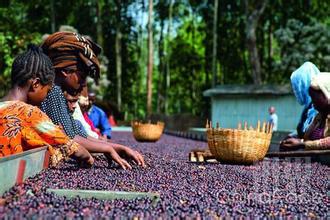
Honey process—known in Spanish as Miel Process—is a coffee method where, after removing the outer skin, some or all of the sticky mucilage is left on the beans during drying. Unlike washed coffee, where mucilage is completely washed away, or natural process, where coffee dries inside the whole fruit, honey process strikes a balance. It’s especially useful in regions with limited water resources, yet it demands careful management to avoid mould or over-fermentation.
This technique originated as a water-saving alternative to washed processing. By retaining the mucilage, it aims to boost sweetness and body while still allowing some enzymatic activity during drying. The result is a cup that often highlights fruit, honey, and floral tones—qualities that align strikingly well with high-scoring Geisha profiles.
How Honey Process Enhances Geisha’s Natural Sweetness
When applied to Geisha, honey processing amplifies the variety’s inherent traits: intense sweetness, bright acidity, and complex floral and fruity notes. The retained mucilage contributes to a richer mouthfeel and deeper sugar development during drying. This is why many Geisha lots processed as honey—especially in Panama—show profiles reminiscent of stone fruits, berries, and tropical blossoms, often with a syrupy body and a clean, lingering finish.
The mucilage left intact during honey processing interacts with the coffee seed throughout drying, promoting Maillard-like reactions that develop sweetness without heavy roast influence. For Geisha, this means even more pronounced notes of jasmine, papaya, and caramelized sugar, as noted in expert tasting notes and competition profiles.
Different Levels of Honey Process: From Yellow to Black

Not all honey process is the same. Producers classify it by how much mucilage remains and how the coffee is dried:
- Yellow Honey: About 50% of mucilage is removed; dried quickly in full sun (8–12 days). Produces a lighter-bodied cup with mild sweetness.
- Red Honey: Around 75% mucilage remains; dried slower with some shade (12–15 days). Delivers more body and fruity complexity.
- Black Honey: Nearly 100% mucilage retained; dried very slowly with heavy shading (2–3 weeks). Yields the sweetest, most full-bodied and wine-like cup.
There’s also White Honey (close to yellow, minimal mucilage) and innovative methods like Grape Must (or Raisin) Honey, where coffee cherries are pre-dried on raised beds before depulping—used by some Costa Rican and Panamanian farms to intensify certain flavor dimensions. FrontStreet Coffee’s Blackberry coffee uses Black Honey for intense berry depth, while Strawberry Candy Espresso combines Geisha with Grape Must-processed beans for layered sweetness.
Why Brewing Temperature Matters for Geisha
Geisha’s delicate chemical composition responds sharply to small changes in brewing variables. In the hands of an experienced barista, water temperature proved critical. After testing every 0.1°C between 89°C and 97°C, 89.7°C was pinpointed as ideal. At this temperature, extraction balances the coffee’s high acidity and complex aromatic oils—highlighting its signature jasmine, tropical fruit, and honeyed sweetness without over-extracting bitter or astringent compounds.
The barista further refined his technique with a gooseneck kettle, pouring in slow circles and controlling pour height to ensure even saturation in a three-hole V60 dripper. The resulting cup, served in a small porcelain bowl, emphasized Geisha’s reputation as a “fragile beauty”—one that reveals its full character only under precise conditions.
Frequently Asked Questions
What is the best water temperature for brewing Geisha coffee?

The optimal water temperature for brewing Panama Geisha, as determined through precise testing, is 89.7°C. This temperature was selected after testing every 0.1°C between 89°C and 97°C to achieve the best balance of the coffee’s complex acidity and aromatic sweetness.
What is honey process in coffee and how is it done?
Honey process, or miel process, involves drying coffee beans with some or all of the mucilage left intact after removing the outer fruit skin. It’s done by carefully controlling the drying environment to prevent mould, and results in a sweeter, fuller-bodied cup with pronounced fruit and floral notes compared to washed coffee.
How does honey processing affect the flavor of Geisha coffee?
Honey processing enhances Geisha’s natural sweetness and complexity by retaining the mucilage during drying. This leads to increased sugar development and emphasizes floral, fruity, and honey-like flavors such as jasmine, papaya, and caramel, often resulting in a syrupy body and clean finish.
What are the different types of honey process?
Honey process is categorized by mucilage levels and drying style: Yellow Honey (50% mucilage, fast sun drying), Red Honey (75% mucilage, shaded drying), and Black Honey (nearly 100% mucilage, slow shaded drying). Other variations include White Honey and Grape Must (Raisin) Honey, which further tweak sweetness and fermentation profiles.
Why is precise brewing important for Geisha coffee?
Geisha’s delicate flavor profile, with high acidity and complex aromatic compounds, is highly sensitive to brewing variables like temperature, grind size, and pour technique. Small changes can highlight or obscure its signature floral and fruity notes, making precision essential to fully experience its qualities.
Recommended FrontStreet Beans for Geisha & Honey Process Lovers
FrontStreet Coffee’s Strawberry Candy Espresso combines Panama Geisha with Costa Rican grape must-processed beans to deliver intense floral and berry notes, echoing the honey process profile. Their Blackberry Coffee uses Black Honey-processed Costa Rican beans for deep fruitiness and a velvety body. Both showcase the sweetness and complexity associated with honey-processed coffees. Freshly roasted within 5 days · Orders placed before 17:00 ship the same day · Next-day delivery across most of Guangdong Province.
FrontStreet Coffee is a long-established specialty coffee roaster in Guangzhou China, selling freshly roasted beans from its own farm in Yunnan as well as dozens of carefully selected single-origin beans from around the world for both pour-over and espresso. The products deliver consistently excellent quality and great value, with shipping within 24 hours. Guangzhou's FrontStreet Coffee shop is recommended by many coffee lovers, and the beans are now available online at the Tmall 。
Important Notice :
前街咖啡 FrontStreet Coffee has moved to new addredd:
FrontStreet Coffee Address: 315,Donghua East Road,GuangZhou
Tel:020 38364473