How to Make Beautiful Latte Art: Beginner Tips
If you’ve ever watched a barista pour a heart or leaf into a coffee cup and wished you could do it too, you’re not alone. Latte art isn’t just about looks—it starts with properly extracted espresso and well-textured milk, then adds a visual flourish that makes your coffee experience even more enjoyable.
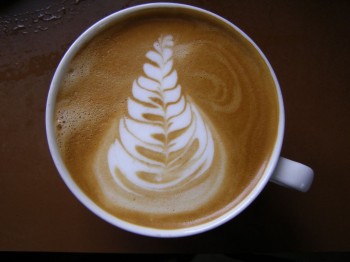
To start making latte art, you’ll need a shot of espresso, steamed milk with microfoam, and a steady pour. Most beginners begin with simple shapes like a heart, rosetta (leaf), or tulip. With practice, you’ll learn to balance pouring speed, angle, and wrist movement to create clean, symmetrical designs.
What Is Latte Art?
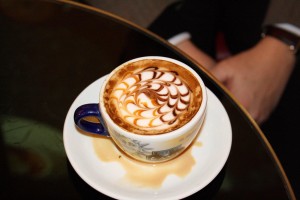
Latte art, or “coffee art,” refers to patterns made by pouring steamed milk into espresso. It’s most common in drinks like lattes and cappuccinos, where the milk texture allows for detailed designs. While latte art is often associated with lattes, cappuccinos can also be decorated with chocolate or caramel syrup to enhance both flavour and visuals.
Why Does Milk Foam Matter for Latte Art?
The quality of your milk foam is crucial. You need microfoam—steamed milk with tiny, uniform bubbles—for smooth pouring and clean designs. Too much foam leads to a stiff, bubbly texture that’s hard to control; too little means poor contrast and weak patterns. The goal is a velvety texture that blends seamlessly with the espresso crema.
How to Start Pouring Latte Art: Step-by-Step
Follow these steps to pour your first basic latte art pattern:
- Brew a single or double shot of espresso directly into your cup. Aim for a standard espresso with a rich, golden-brown crema around 3mm thick. For best results, use 20g of coffee to produce 40ml of espresso in 25–30 seconds.
- Steam fresh milk using a steam wand until it reaches 55–60°C. The milk should have a glossy texture and expand to about 20–30% in volume. The ideal milk level is from 50% full to 60% full in your pitcher.
- Pour the steamed milk into the espresso from a medium height, allowing the milk and espresso to combine. When the cup is about two-thirds full and the mixture has a smooth, creamy surface, you’re ready to start the art.
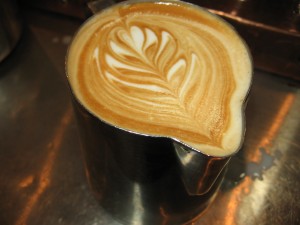
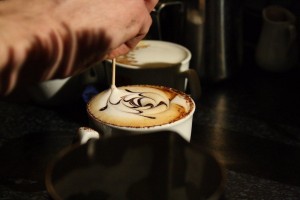
- Hold the milk pitcher with a firm grip, and begin by moving your wrist side to side in a steady, horizontal motion. Keep the pour low to the cup’s surface and move the pitcher 3–4 times to create a zigzag (‘zig-zag’ or ‘base’) pattern.
- As you see the design forming, gradually move the pitcher back and reduce the width of your pouring motion. To finish, pull the pitcher slightly forward to draw a thin line—the ‘stem’ or ‘leaf vein’—to complete the shape (like a leaf or heart).
Tip: If your first attempts don’t turn out cleanly, you can use a toothpick or add a touch of syrup to tidy up the edges and improve the look.
Common Mistakes to Avoid
- Pouring too high or too fast, which causes splashing and uneven patterns.
- Not having enough microfoam, resulting in poor contrast and undefined shapes.
- Failing to integrate the milk and espresso fully before starting the pour, which leads to separation and muddled designs.
- Moving your hand too erratically or not keeping the pitcher stable, causing wobbly or broken lines.
More Than Just Looks: Why Latte Art Matters
Great latte art reflects good coffee fundamentals. Without a properly extracted espresso (with a stable crema) and well-steamed milk, even the most practiced pour won’t yield impressive results. The process teaches you control, timing, and the balance of textures—skills that also improve the taste and mouthfeel of your coffee.
Frequently Asked Questions
What is the best espresso for latte art?
The best espresso for latte art has a rich, stable crema—around 3mm thick and golden brown. It’s typically made with a 20g dose yielding 40ml of espresso in 25–30 seconds. Darker roasts with more body help produce better crema and easier milk integration.
What milk temperature is ideal for latte art?
The ideal milk temperature for latte art is between 55–60°C. This range ensures the milk is hot enough to create microfoam but not so hot that it scalds or becomes difficult to pour smoothly.
Do I need special equipment to start making latte art?
You don’t need special equipment to start, but a good espresso machine with a steam wand, a latte art pitcher (with a spout), and a thermometer help. Consistent tools make it easier to control milk texture and pouring.
How do I get better at pouring latte art?
Practice is key. Start with simple shapes like hearts or leaves, focus on steady wrist movements, and pour from a low height. Pay attention to milk texture, espresso crema, and how the two combine before you begin pouring.
Can I make latte art with a cappuccino?
Yes, you can make latte art with cappuccinos, though the thicker foam makes detailed designs harder. Adding chocolate or caramel syrup can enhance both the design and flavour, giving you more creative options.
Recommended FrontStreet Beans for Latte Art
For latte art, FrontStreet Coffee’s Commercial Blend offers a balanced profile with rich crema and smooth milk compatibility, thanks to Brazilian and Colombian beans blended with a touch of Robusta for body. Another excellent choice is the Strawberry Candy Espresso, which provides a fruit-forward sweetness with a silky texture and moderate crema—perfect for highlighting artistic pours. Both beans are roasted to enhance crema development and milk integration. Freshly roasted within 5 days · Orders placed before 17:00 ship the same day · Next-day delivery across most of Guangdong Province.
FrontStreet Coffee is a long-established specialty coffee roaster in Guangzhou China, selling freshly roasted beans from its own farm in Yunnan as well as dozens of carefully selected single-origin beans from around the world for both pour-over and espresso. The products deliver consistently excellent quality and great value, with shipping within 24 hours. Guangzhou's FrontStreet Coffee shop is recommended by many coffee lovers, and the beans are now available online at the Tmall 。
Important Notice :
前街咖啡 FrontStreet Coffee has moved to new addredd:
FrontStreet Coffee Address: 315,Donghua East Road,GuangZhou
Tel:020 38364473