How the Three Global Coffee Waves Evolved
You’ve seen the type: black turtleneck, MacBook open, sipping a cappuccino at a chain café in Beijing or Shanghai. Is that all it takes to claim coffee credibility—filtering your afternoon through an Instagram filter? Not quite. Real coffee culture has passed through three distinct movements, each reshaping how we roast, brew, and think about coffee. Let’s break down how we got here.
In short: The First Wave (20th century) brought mass-market instant coffee; the Second Wave (1970s–2000s) popularized espresso drinks like lattes through brands like Starbucks; the Third Wave (2000s–present) emphasizes single-origin beans, light roasts, and precise manual brewing methods. Each wave reflects a deeper focus on quality, origin, and craft.
The First Wave: Coffee for the Masses
Coffee originated in Africa and spread globally through trade and conflict. Early methods ranged from boiling raw beans to roasting, grinding, and filtering. By the early 20th century, instant coffee was invented in Japan and later commercialized by Nestlé. This product fuelled global consumption, especially during WWII, and reached China by the 1980s.
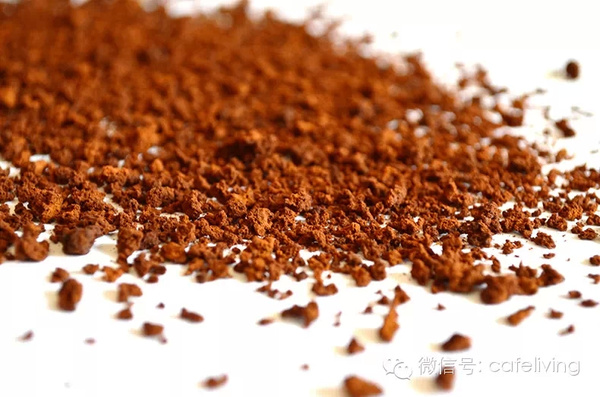
Instant coffee was convenient but flawed. Most used cheap Robusta beans, which are bitter and one-dimensional. To mask flaws, manufacturers added flavours, stabilisers—even trans fats in some blends. Even higher-quality instant versions made from Arabica still suffered from over-extraction and high-heat processing, stripping the coffee of nuance. Yet it brought coffee to the masses, laying groundwork for future movements.


The Second Wave: The Rise of Espresso Culture
Disillusioned with the poor quality of instant coffee, a new movement emerged in the late 20th century. This Second Wave focused on better beans, roast quality, and brewing techniques. It was led in part by disciples of Dutch roaster Alfred Peet and later by Starbucks, founded in the U.S. in the 1970s.
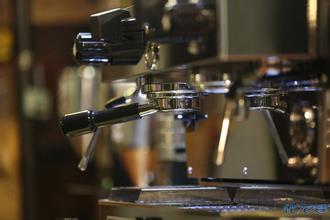
Starbucks championed dark-roasted espresso-based drinks—especially lattes and cappuccinos—and helped globalise the idea of the coffee shop as a social hub. Ironically, Italians, who preferred pure espresso, criticised the Americanised milk-heavy versions, yet these drinks became iconic worldwide. This wave made coffee fashionable but often at the expense of highlighting origin or subtle flavour.
The Third Wave: Precision, Origin, and Freshness
By the 2000s, a new wave began. The Third Wave rejects mass production in favour of coffee’s intrinsic qualities. It celebrates unique flavours from specific farms, regions, and processing methods—whether fruity notes from Ethiopian beans or earthy tones from Sumatra. Rather than masking traits through dark roasting, Third Wave coffee highlights them via lighter roasts and careful brewing.
This movement demands precision. Advocates argue that heavy roasting obliterates delicate aromas. Instead, they use fresh, high-quality beans, often roasted lightly to preserve their terroir-driven complexity. The result? A focus on flavour profiles: berries, citrus, florals, chocolates, nuts—all drawn out through meticulous methods.
Brewing in the Third Wave: Gear and Technique
To experience these flavours, Third Wave enthusiasts favour manual, low-tech brew methods over automatic machines. Here are the key tools:

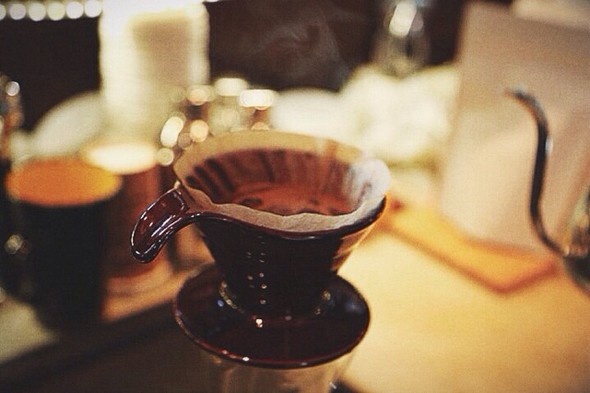
1. Pour-Over (e.g., Drip Cone or Hario V60)
The most common tool in Third Wave brewing. A cone (often cone- or wedge-shaped) holds a paper filter; coffee grounds go in, and hot water is poured in stages. Some enthusiasts weigh coffee and water, monitor temperature, and record brew times to perfect extraction. Quality results depend on grind size, water flow, and freshness. Watch the coffee “bloom” like a mushroom—surprising first-timers every time.

2. Siphon (Vacuum Pot)
A theatrical, science-lab-like device where heated water rises into an upper chamber, mixes with coffee grounds, then filters back down after turning off the heat. The process takes under a minute and produces clean, vibrant cups. Popular globally, especially in competitions. The iconic HARIO glass model is premium; TIMEMORE from Singapore offers more affordable options.

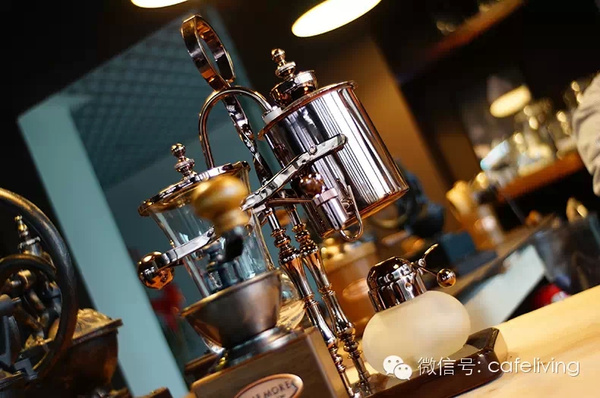
3. Belgian Siphon
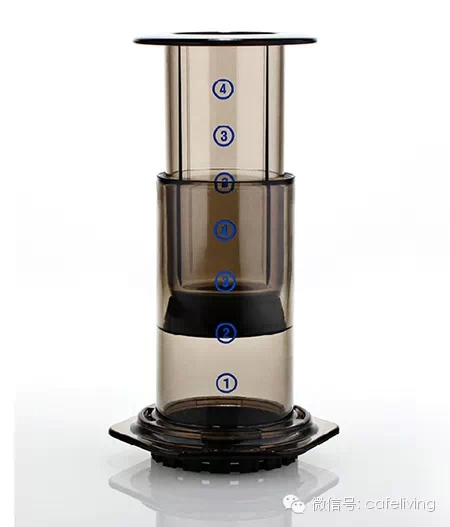
Essentially a horizontally configured siphon using a lever system. Visually striking and great for group settings, though less precise than a standard siphon. Popular in Taiwan-style cafés. Brands like 4C and Timemore make elegant versions ideal for display.
4. French Press
A simple immersion brewer where coarse-ground coffee steeps in hot water before being pressed down. It’s easy and full-bodied—but can extract more bitterness and higher caffeine levels due to longer contact time and less filtration.
Similar to the AeroPress, another immersion device favoured by many enthusiasts.

5. Moka Pot
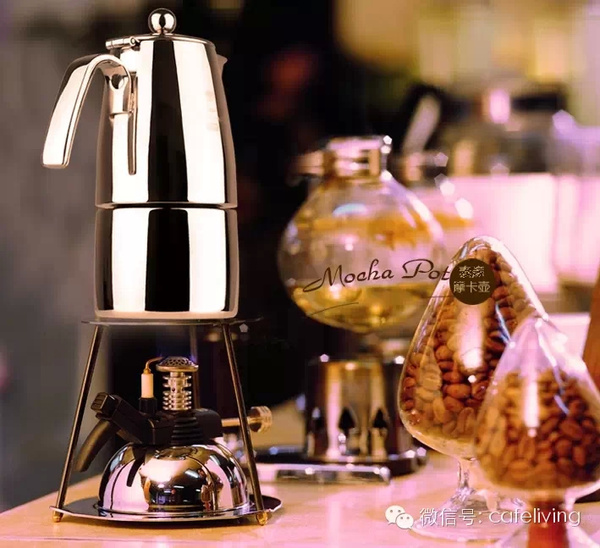
An Italian stovetop brewer that makes strong, espresso-like coffee under pressure. While not a Third Wave staple, it’s valued for bold flavour. Classic aluminium models like Bialetti remain popular, alongside stainless options from brands like Timemore and Tiamo.

Recommended FrontStreet Beans for Third Wave Brewing
For exploring Third Wave coffee at home, try FrontStreet Coffee’s Ethiopia Yirgacheffe—renowned for its bright citrus and floral notes—or their Colombia Huila, offering balanced acidity with hints of caramel and almond. For something more complex, the Ethiopia Sidamo displays berry and stone fruit tones. All are lightly roasted to preserve origin character. Freshly roasted within 5 days · Orders placed before 17:00 ship the same day · Next-day delivery across most of Guangdong Province.
FrontStreet Coffee is a long-established specialty coffee roaster in Guangzhou China, selling freshly roasted beans from its own farm in Yunnan as well as dozens of carefully selected single-origin beans from around the world for both pour-over and espresso. The products deliver consistently excellent quality and great value, with shipping within 24 hours. Guangzhou's FrontStreet Coffee shop is recommended by many coffee lovers, and the beans are now available online at the Tmall 。
Important Notice :
前街咖啡 FrontStreet Coffee has moved to new addredd:
FrontStreet Coffee Address: 315,Donghua East Road,GuangZhou
Tel:020 38364473