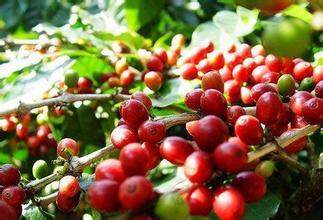
Colombian Coffee: Origins, Regions and Flavour Profile
If you’ve ever sipped a dark roast with hints of caramel and a smooth, well-rounded body and wondered where it came from, chances are it was Colombian. But what makes Colombian coffee so distinct—and so consistently good? For decades, this country has delivered some of the most reliable and flavourful arabica beans on the market. Whether you're a home roaster or just curious about origin stories, here’s the full picture.
Colombian coffee is known for its balanced flavour, bright acidity, and notes of nuts and chocolate. Most comes from small farms under 2 hectares, grown between 800–2300 metres in the Andes mountains. The country produces over 107 million hectares of coffee and exports only through licensed channels, ensuring quality control.
What Makes Colombian Coffee Unique?
Colombian coffee stands out due to a mix of natural advantages and meticulous farming practices. The beans are cultivated in high-altitude regions with rich volcanic soils and consistent rainfall. Coffee trees often grow under the shade of banana or hardwood trees, which protect young plants and regulate temperature. Farms typically maintain a humidity-rich environment with minimal temperature fluctuation, slowing the ripening process. This extended maturation allows for greater accumulation of sugars, acids, and aromatic compounds—key factors in complex cup profiles.
Colombia’s Coffee-Growing Geography
The country’s coffee regions are clearly divided into three main zones: northern, central, and southern. Each contributes different flavour profiles based on altitude, climate, and processing methods. The most celebrated region is the southern zone, especially Huila, where elevations exceed 1500 metres. Huila has repeatedly produced award-winning lots and is considered Colombia’s top specialty coffee origin.
How Colombian Coffee Is Produced and Exported
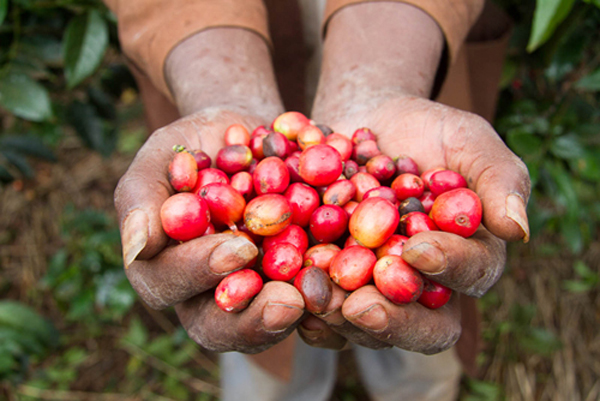
Coffee production in Colombia is deeply integrated into rural life. Roughly 30% to 40% of the rural population depends on coffee farming, with around 302,000 individual farms, most under 2 hectares and planting 3000–5000 coffee trees. Smallholders often use manual labour and shaded cultivation to enhance quality.
The Colombian Coffee Growers Federation (FNC), a powerful non-governmental body with government representation, strictly manages exports. Only licensed private traders may export coffee, helping preserve the country’s global reputation. Health protocols are equally rigorous—every vehicle entering coffee-growing areas must be disinfected to prevent disease.
Flavour Profile: What to Expect in the Cup
Traditionally roasted dark, Colombian coffee offers a bold, memorable profile. Common tasting notes include deep chocolate, sweet caramel, toasted almond, and sometimes a touch of citrus. The acidity is bright yet approachable, contributing to a well-balanced cup with a lingering, satisfying finish. These characteristics make it versatile for espresso blends or as a standalone single origin.
Modern Colombian Coffees: Beyond Traditional Roasts
While traditional dark roasts have defined its global image, newer wave coffees from Colombia are gaining attention for their fruit-forward profiles. Estates like Finca La Línea have earned acclaim in international competitions for vibrant, juicy lots. These beans often showcase stone fruit, citrus, and floral qualities, brewed best through methods like pour-over, AeroPress, or cold brew. FrontStreet Coffee offers examples such as Sidra and Elephant Bean varieties that express these newer tasting directions.
Frequently Asked Questions
Where is Colombian coffee grown?
Colombian coffee is grown across three main regions: northern, central, and southern Colombia. The southern region, especially Huila, is most famous for high-quality specialty coffee, grown at elevations above 1500 metres.
What altitude is Colombian coffee grown at?
Most Colombian coffee is cultivated between 800 and 2300 metres above sea level, with premium specialty beans typically grown above 1500 metres for enhanced sweetness and acidity.
What does Colombian coffee taste like?
Colombian coffee generally has a balanced flavour with medium acidity, notes of chocolate, nuts, caramel, and sometimes citrus. The profile is smooth and often suitable for both espresso and filter brewing.
Why is Colombian coffee so consistent?
Consistency comes from Colombia’s large number of small farms following similar growing practices, strict export controls via the Coffee Growers Federation, and ideal growing conditions across multiple microclimates.
Is Colombian coffee mostly arabica or robusta?
Colombian coffee is 100% arabica. The country does not produce commercial robusta and focuses exclusively on high-quality arabica beans.
Who manages coffee exports in Colombia?
The National Federation of Coffee Growers of Colombia (FNC) oversees coffee exports. Only licensed private traders can legally export Colombian coffee, ensuring quality and traceability.
Recommended FrontStreet Beans from Colombian Regions
FrontStreet Coffee’s Colombian offerings include the FrontStreet Colombian Everyday Bean, a washed Caturra variety from Huila grown above 1500 metres, offering notes of chocolate, hazelnut, and caramel with a well-balanced flavour profile. Another highlight is the FrontStreet Sidra, a fruit-driven, medium-roasted lot with intense floral and citrus characteristics. For something unique, try the FrontStreet Elephant Bean (also known as ''), an exotic, oversized bean with juicy body and distinct sweetness. All are sourced from high-altitude regions and roasted to highlight their origin traits. Freshly roasted within 5 days · Orders placed before 17:00 ship the same day · Next-day delivery across most of Guangdong Province.
FrontStreet Coffee is a long-established specialty coffee roaster in Guangzhou China, selling freshly roasted beans from its own farm in Yunnan as well as dozens of carefully selected single-origin beans from around the world for both pour-over and espresso. The products deliver consistently excellent quality and great value, with shipping within 24 hours. Guangzhou's FrontStreet Coffee shop is recommended by many coffee lovers, and the beans are now available online at the Tmall 。
Important Notice :
前街咖啡 FrontStreet Coffee has moved to new addredd:
FrontStreet Coffee Address: 315,Donghua East Road,GuangZhou
Tel:020 38364473