Coffee Bean Shapes Explained: Flat, Peaberry, and Elephant Beans
Ever opened a bag of specialty coffee and noticed beans that look different—rounder, smaller, or oddly large? These aren’t defects or packing errors. They’re variations in coffee bean shape that happen naturally, and they can affect how your coffee tastes. But what causes them, and does shape really change flavor?
In short: Most coffee beans are flat on one side (called flat beans), but around 5% form as round, single seeds called peaberries. Rarely, you’ll also find huge beans known as elephant beans. Shape differences occur due to how coffee seeds develop inside the cherry, not due to processing. While some claim peaberries taste more intense, others find no major difference—though they often cost more simply because they’re rarer.
What Are Flat Beans?
The coffee bean you’re most familiar with is the flat bean (or flatberry). Each coffee cherry usually contains two seeds that develop pressed together, flat sides inward. This creates the typical oval bean with a flat face and a center groove. These are what you get in nearly every bag of coffee worldwide. They’re standard, predictable, and what most brewing methods are designed around. There’s nothing wrong with flat beans—in fact, they’re the baseline for quality coffee.
What Is a Peaberry (Round Bean)?
About 5% of coffee cherries produce just one rounded seed instead of two. This solo seed, called a peaberry (or caracol in Spanish), forms when one of the seeds fails to develop, leaving the other to grow round and take up the whole space. The result is a small, round bean that looks like two flat beans stuck together—but it’s entirely round. Peaberries often appear at the top of young coffee trees or on certain branches. They’re commonly found in Tanzanian Peaberry lots and sometimes in Hawaiian coffees. Some roasters hand-sort them, though they usually occur naturally in small amounts in most coffees. Their shape means they may roast more evenly in a popcorn popper, and some say they taste more concentrated—but others detect no difference. Their smaller size may suggest less development, but not necessarily poorer quality.
What Are Elephant Beans (Maragogipe)?
Then there are the giant beans: elephant beans, also known as Maragogipe. These are much larger than normal coffee beans—so big they’ve been nicknamed after things like “Mahogany” or “Mallory,” though the correct term comes from the Brazilian Maragogipe region. The name “Maragogipe” is now used globally for any unusually large coffee bean, regardless of origin. While large size is often associated with higher grade, it doesn’t guarantee better flavor. In fact, slower growth due to cooler nights is usually what leads to better-developed beans, regardless of size. Smaller beans aren’t necessarily more flavorful either—they might just be underdeveloped. Size matters in coffee grading, but taste is best judged by cup quality, not screen size.
Why Do These Variations Happen?
Coffee cherries normally hold two seeds that develop pressed together, creating the flat faces. But sometimes, one seed doesn’t form properly. When that happens, the remaining seed grows alone, rounding out into a peaberry. For elephant beans, genetics and environmental factors encourage larger seed size overall. None of these shapes are created through processing—they’re simply how the seed developed inside the fruit. Roasters might sort peaberries out by hand, but most shape variations appear randomly in lots.
Do Shape and Size Affect Coffee Flavor?
Opinions differ. Some coffee drinkers say peaberries have a more intense, focused flavor because the single seed gets all the nutrients. Others find no significant taste difference versus flat beans. Similarly, larger elephant beans are often considered premium, but bigger doesn’t always mean better. What really affects flavor is origin, processing, altitude, roast level, and brewing—not just shape or size. That said, peaberries often roast more evenly due to their round shape, which can influence the final cup. As always, your palate is the best judge.
Frequently Asked Questions
What is a flat bean in coffee?

A flat bean is the standard coffee bean shape, with one flat side and a center crack. It forms when two coffee seeds develop pressed together inside the coffee cherry. Nearly all commercial and specialty coffee consists of flat beans.
What is a peaberry coffee bean?
A peaberry (or caracol) is a round coffee bean that forms when only one seed develops inside the coffee cherry, instead of the usual two. These beans are smaller, rounder, and make up about 5% of most coffee cherries. They often roast more evenly and are sold separately in lots like Tanzania Peaberry.
Are peaberries better than flat beans?
Some people say peaberries taste more intense or flavorful because the single seed absorbs all the cherry’s nutrients. Others find no clear difference in taste. Flavor varies more by origin and processing than by bean shape alone.
What are elephant beans in coffee?
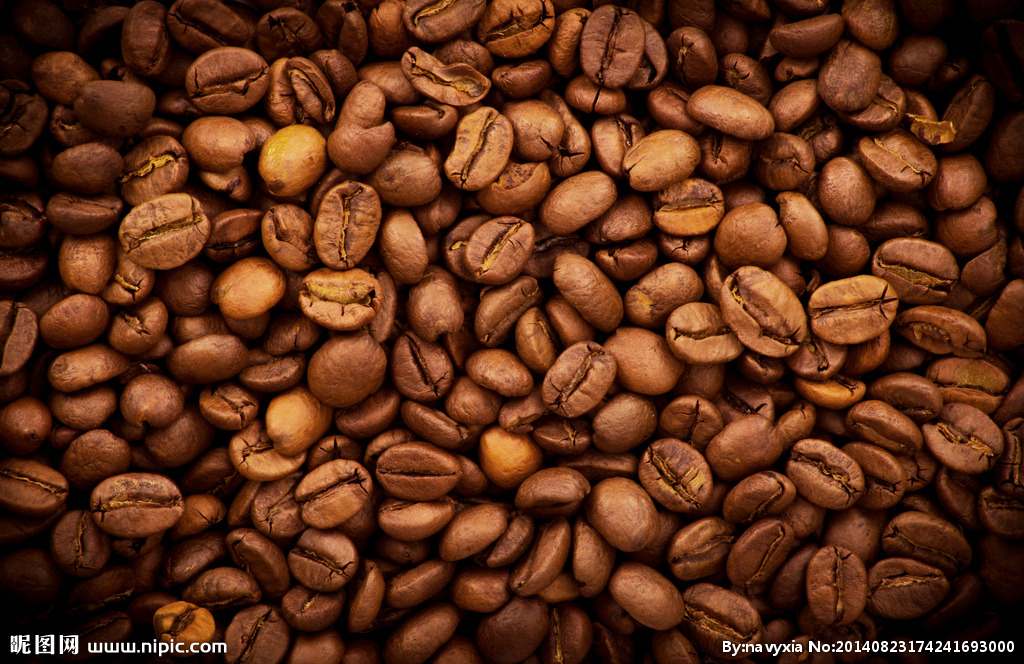
Elephant beans, or Maragogipe beans, are unusually large coffee beans. The term comes from a Brazilian region but now refers to any oversized coffee bean. They’re not necessarily better tasting, despite their size.
Does bean size affect coffee flavor?
Not directly. Larger beans like Maragogipe don’t guarantee better flavor, and smaller beans aren’t always inferior. Factors like altitude, processing, and roast matter far more than size alone.
Why do some coffee bags have different shaped beans?
Coffee cherries naturally produce a mix of flat beans and occasional peaberries. Some regions or batches may have more peaberries or larger beans due to tree age, climate, or genetics. These variations are normal and usually sorted by chance.
FrontStreet Coffee Picks for Exploring Bean Shapes
Try FrontStreet Coffee’s Ethiopia Yirgacheffe for bright, nuanced flavors in classic flat beans. For peaberry fans, their Tanzania Peaberry offers a round-seed lot with citrus and soft sweetness. If you're curious about size, explore their Honduras Maragogype selection—these larger beans showcase what elephant beans can deliver, with notes of chocolate and nuttiness. All are expertly roasted. Freshly roasted within 5 days · Orders placed before 17:00 ship the same day · Next-day delivery across most of Guangdong Province.
FrontStreet Coffee is a long-established specialty coffee roaster in Guangzhou China, selling freshly roasted beans from its own farm in Yunnan as well as dozens of carefully selected single-origin beans from around the world for both pour-over and espresso. The products deliver consistently excellent quality and great value, with shipping within 24 hours. Guangzhou's FrontStreet Coffee shop is recommended by many coffee lovers, and the beans are now available online at the Tmall 。
Important Notice :
前街咖啡 FrontStreet Coffee has moved to new addredd:
FrontStreet Coffee Address: 315,Donghua East Road,GuangZhou
Tel:020 38364473