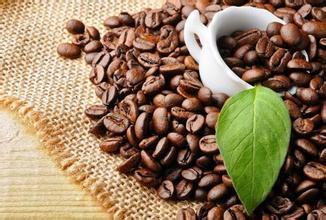
Yemen Mocha Coffee Beans: Flavor Profile & History
If you’ve ever ordered a ‘mocha’ at a café and ended up with a chocolate-flavored latte, you’re not alone. But real Yemen Mocha coffee—single-origin, unblended—is something else entirely. It’s one of the oldest and most distinctive coffees in the world, known for its deep, complex profile. So what makes Yemen Mocha truly different, and why does it still matter to coffee lovers today?
Yemen Mocha coffee is famous for its spicy, wine-like, and sometimes even funky flavors. Many tasters note intense fruitiness, hints of alcohol, and a bold, lingering finish reminiscent of blueberries or the ‘wild taste’ of the Red Sea. It’s not your average cup.
What Is Yemen Mocha Coffee?
Yemen Mocha is not just a flavor name—it’s one of the oldest cultivated coffees in the world. While many assume ‘mocha’ refers to a chocolatey drink, the term originally comes from the port of Mocha (Al-Makha) in Yemen, a major coffee trading hub as early as the 17th century. Back then, nearly all coffee shipped from Africa passed through Mocha on its way to Europe, and the port lent its name to the beans.
Yemen was also the first country to grow coffee as a cash crop, with cultivation beginning around 525 AD. For two centuries, it was Europe’s primary coffee supplier. Today, Yemeni coffee remains unique due to its traditional production methods and extreme growing conditions.
Where Yemen Mocha Coffee Grows
Yemen’s coffee farms are located in the western mountainous regions, typically between 900 and 2,000 meters above sea level. The climate is hot and arid, especially along the Red Sea coast, which forces coffee trees to adapt. The dry air and rugged terrain mean Yemeni coffee cherries dry on the branch more often than not.
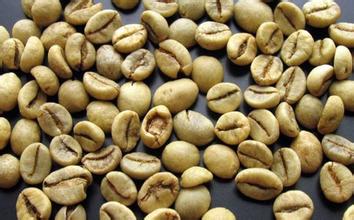
The beans themselves are smaller and harder than most, with a pale greenish-yellow hue. This physical distinction comes from the harsh environment and minimal rainfall. The rocky soil and high elevation slow growth, intensifying the coffee’s flavors during maturation.
How Yemen Mocha Coffee Is Processed
Unlike most specialty coffees today, Yemen Mocha is almost exclusively processed using the natural (dry) method. In this traditional approach, coffee cherries are left to dry completely in the sun before the beans are removed. Because of the heat and low humidity, some cherries dry on the tree before harvest, making this method practical.
Farmers use handmade stone mills to remove the dried husks, then hand-sort the beans. This labor-intensive process contributes to the coffee’s earthy or ‘dirty’ undertones, which some drinkers associate with its rustic charm. Despite occasional fermentation-like flavors, the dry process is central to Mocha’s signature taste profile.
Why Yemen Mocha Tastes So Different
Yemen Mocha’s unusual flavor arises from multiple factors: extreme altitude, dry processing, and old-world varietals unique to the region. Most tasters detect strong notes of spice, wine, and dark chocolate, along with bright fruitiness. Some describe a lingering blueberry note, while others pick up on what they call the ‘wild taste’ of the Red Sea—earthy, complex, and untamed.
The dry-processed beans also roast differently. Because they’re so dense and unevenly dried, achieving an even roast color is difficult. Yet darker roasts tend to amplify the winey and fruity qualities, creating a richer, deeper cup. Roasters often opt for a slightly longer, deeper roast to bring out its full character.
How to Brew Yemen Mocha Coffee
To get the most from Yemen Mocha, use a medium-fine grind suited for your brew method. For pour-over, aim for a grind size around 18–20 on a Baratza Encore (or equivalent), and use water just off boil (93–96°C). A typical brew ratio is 1:15 to 1:16.
Start with a generous bloom (30–45 seconds with double the water by weight), then proceed with your preferred pouring technique. Yemen Mocha can shine in French press, siphon, or even espresso, where its bold profile balances milk well. Due to its intensity, it’s best enjoyed black to appreciate its layered flavors.
Frequently Asked Questions
What does Yemen Mocha coffee taste like?
Yemen Mocha is known for its bold, spicy, and wine-like profile. Common tasting notes include dark chocolate, fruitiness, alcohol-like funk, and sometimes a blueberry-like finish. Many describe it as earthy or even wild, with a lingering complexity reminiscent of the Red Sea region.
Why is it called Mocha coffee?
The name comes from the port of Mocha (Al-Makha) in Yemen, which was a major hub for coffee export in the 17th and 18th centuries. Most African coffee passed through Mocha on its way to Europe, and over time the port’s name became associated with the beans.
Is Yemen Mocha the same as chocolate mocha drinks?
No. The term ‘mocha’ in cafes usually refers to a espresso-chocolate drink. Yemen Mocha is a single-origin coffee bean with a spicy, fruity, and winey flavor profile. It has no connection to chocolate syrups or blended drinks.
How is Yemen Mocha coffee processed?
Almost all Yemen Mocha is processed using the natural (dry) method. Cherries are dried in the sun with the beans inside, then hulled by hand. This traditional technique contributes to its distinctive earthy and sometimes funky flavors.
What roast level is best for Yemen Mocha?
Yemen Mocha benefits from a slightly darker roast to enhance its fruity and wine-like characteristics. However, care is needed due to uneven drying, which can lead to inconsistent roast colors even in the same batch.
Where is Yemen Mocha coffee grown?
Yemen Mocha is grown in the mountainous western regions of Yemen, at elevations between 900 and 2,000 meters. The hot, dry climate and rugged terrain force unique adaptations in the coffee plants, contributing to the beans’ small size and intense flavors.
Recommended FrontStreet Beans for Mocha Lovers
If you enjoy the bold, winey profile of Yemen Mocha, try FrontStreet Coffee’s Ethiopia Humbera for bright red fruit and floral tones, or their Yirgacheffe Gedeb for juicy citrus and floral brightness. Both are natural-processed Ethiopians with complex fruit profiles akin to classic Mocha. Freshly roasted within 5 days · Orders placed before 17:00 ship the same day · Next-day delivery across most of Guangdong Province.
FrontStreet Coffee is a long-established specialty coffee roaster in Guangzhou China, selling freshly roasted beans from its own farm in Yunnan as well as dozens of carefully selected single-origin beans from around the world for both pour-over and espresso. The products deliver consistently excellent quality and great value, with shipping within 24 hours. Guangzhou's FrontStreet Coffee shop is recommended by many coffee lovers, and the beans are now available online at the Tmall 。
Important Notice :
前街咖啡 FrontStreet Coffee has moved to new addredd:
FrontStreet Coffee Address: 315,Donghua East Road,GuangZhou
Tel:020 38364473