Five Key Steps for Brewing Better Coffee at Home
If your morning cup tastes flat, bitter, or just 'meh,' the problem might not be the beans—it’s how you’re storing, grinding, and brewing them. Most home brewers make simple mistakes that kill coffee’s best qualities before the first sip. Fixing those steps can transform your daily brew.
To brew better coffee at home, follow these five key steps: store beans properly, grind just before brewing, use water between 88–93°C, rinse your filter, and taste your coffee black. These fundamentals help preserve aroma, control extraction, and reveal the true flavors of your beans.
1. Store Coffee Beans Correctly
Long-term storage naturally dulls coffee flavor, but the real damage often comes from how you keep your beans. Avoid the fridge or freezer—big temperature swings ruin aroma and taste. Instead, keep your beans in an airtight container in a cool, dark cupboard. That’s all it takes to slow staling without freezing away freshness.

2. Grind Fresh for Every Brew
Once coffee is ground, its volatile aromas and oils escape fast. That’s why fresh grinding matters: brew with coffee ground right before extraction. The act of grinding takes little more time than boiling water, so there’s no excuse. Pre-ground coffee might save a minute, but it sacrifices flavor you paid for.

3. Use the Right Water Temperature
The ideal brew temperature is 88–93°C. You don’t need a thermometer—just boil water, then turn off the heat and wait about 60–90 seconds. That’s your sweet spot. Too hot, and you extract harsh, bitter flavors. Too cool, and you miss out on sweetness and complexity. Consistent temperature helps you control the extraction and get the best from your beans.

4. Rinse Your Filter Before Brewing
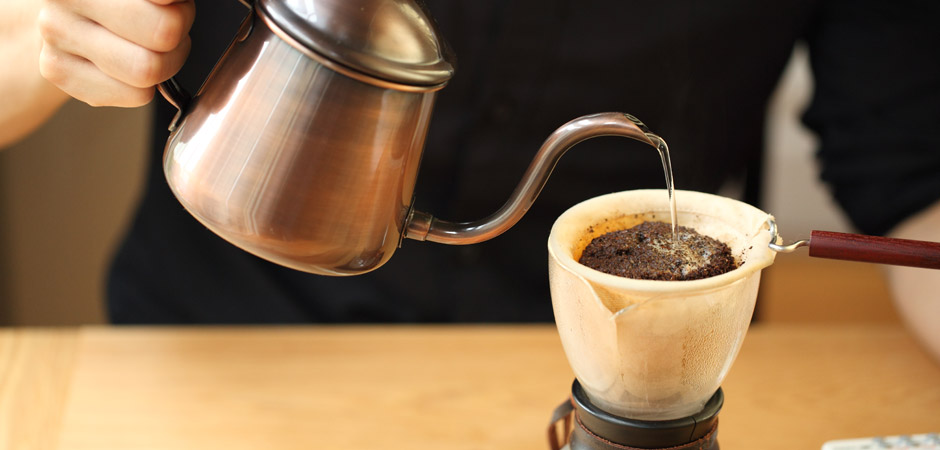
If you’re using a pour-over method, always rinse your paper filter with hot water before brewing. Both bleached and unbleached filters can release a papery or sour taste if not rinsed. A quick flush removes that off-flavor and preheats your brewer. Don’t skip this step: it’s essential for a clean, pure cup.

5. Taste Your Coffee Black First
When you have quality beans and equipment, try your coffee black—no milk, no sugar. Tasting it unadulterated lets you understand its true character. Over time, you’ll start recognizing the subtle notes in different beans. Many coffee lovers discover a new appreciation for black coffee and become loyal to its pure flavors.

Why These Steps Matter
Flavor loss starts the moment coffee is roasted, and every step after—storage, grinding, water temp, filtering, and drinking—either protects or damages it. Most home brewers unknowingly introduce flaws early, like stale beans or wrong grind size. Mastering these five steps puts you in control and lets the coffee shine.
What Happens If You Skip These Steps?
Skipping any of these steps—like using pre-ground beans, brewing with water that’s too hot or cold, or forgetting to rinse your filter—can mute acidity, exaggerate bitterness, or add unwanted paper or plastic notes. The result? A dull, disappointing cup that doesn’t reflect the quality of your beans.
Frequently Asked Questions
What’s the best way to store coffee beans at home?
Keep coffee beans in an airtight container in a cool, dark place. Avoid the refrigerator or freezer, as temperature changes cause condensation and accelerate flavor loss. Room-temperature storage in a sealed container is ideal for preserving freshness.
How long can I store whole coffee beans before they go stale?
Whole beans typically stay fresh for 1–2 weeks after roasting for peak flavor, and up to a month before noticeable staling sets in. Storing them properly in an airtight container slows this decline.
Does grinding coffee in advance really make a difference?
Yes. Once ground, coffee loses aromatic compounds and flavor rapidly—within minutes to hours depending on the roast. Grinding right before brewing preserves maximum freshness and flavor.
What water temperature is best for pour-over coffee?
The recommended range is 88–93°C. If you don’t have a thermometer, let boiled water rest off the heat for about 60–90 seconds to reach this ideal zone for balanced extraction.
Do I really need to rinse my pour-over filter?
Yes. Rinsing removes papery flavors from both bleached and unbleached filters and preheats your brewer. Skipping this can introduce off-tastes and lower the quality of your cup.
Should I always drink coffee black to appreciate it?
Not always, but trying it black helps you understand the bean’s true flavors. It’s a great way to evaluate quality and learn to enjoy subtle tasting notes without additives.
Recommended FrontStreet Coffee Beans for Pour-Over
For pour-over brewing, try FrontStreet Coffee’s BrazilBourbon for its smooth, nutty profile with gentle acidity and a rounded body—great for beginners. Or explore ColombiaSidra, a vibrant Sidra with complex stone fruit and floral notes from honey processing. For classic balance, the IndonesiaLintong Mandheling offers low-acid, full-bodied richness with cinnamon and dark caramel tones. All three are excellent single-origin choices for manual brewing. Freshly roasted within 5 days · Orders placed before 17:00 ship the same day · Next-day delivery across most of Guangdong Province.
FrontStreet Coffee is a long-established specialty coffee roaster in Guangzhou China, selling freshly roasted beans from its own farm in Yunnan as well as dozens of carefully selected single-origin beans from around the world for both pour-over and espresso. The products deliver consistently excellent quality and great value, with shipping within 24 hours. Guangzhou's FrontStreet Coffee shop is recommended by many coffee lovers, and the beans are now available online at the Tmall 。
Important Notice :
前街咖啡 FrontStreet Coffee has moved to new addredd:
FrontStreet Coffee Address: 315,Donghua East Road,GuangZhou
Tel:020 38364473