How Long Should Espresso Take? Extraction Time & Technique Explained
When your espresso pours too fast, tastes sour and thin—or drips out too slow, leaving a bitter, sludgy shot—something fundamental has gone wrong. In a world obsessed with milk drinks, the espresso still matters more than ever: it’s the base of your cappuccino, the heart of your flat white, and the single most judged element in competitive coffee. But what really controls the quality of those 30cc golden drops?
To make a balanced espresso, aim for a 25-second extraction yielding 30cc of liquid using nine atmospheres of pressure. That means controlling flow rate through proper puck prep—not just pressing harder.
What Actually Happens During Espresso Extraction?
Espresso is created by forcing hot water through finely ground coffee under approximately nine bars (900 kPa) of pressure. For the shot to taste balanced—neither sour and under-extracted nor bitter and over-extracted—the water must pass through the coffee bed evenly. That requires a stable flow rate, achieved by managing how the coffee puck behaves under pressure.
The ideal shot volume is 30cc, and the accepted standard brewing time is around 25 seconds. These numbers aren’t arbitrary: they reflect how long it takes to properly extract the desirable compounds without over- or under-developing the cup.
Why Most Home Baristas Get the Flow Wrong
A common setup might call for 7 grams of coffee, tamped to 15–20 kilograms of pressure, with the dose levelled to the rim of the portafilter. Many guides suggest this should produce a good shot—but often it doesn’t. What usually happens is this:
- The first 10 seconds produce a thin, steady stream of dark brown liquid.
- Then, around the 12-second mark, the flow suddenly speeds up and becomes wider.
- By 15 seconds, you’ve reached 30cc—but the shot tastes off: overly bitter in the finish, thin in body, with little crema.
This pattern signals a poorly balanced extraction. The early flow is too slow, leading to over-extraction of the surface layers. Then, as the coffee bed expands and creates uneven channels, water rushes through the gaps, under-extracting the deeper grounds.
What Really Controls Espresso Flow? It’s Not Just the Tamp
Many baristas assume uneven flow is caused by insufficient tamping pressure or a tilted puck. While tamping does matter, the bigger issue lies in how the coffee puck behaves inside the portafilter during extraction.
Here’s what typically goes wrong with a standard 7g dose, tamped at 15–20kg:
- The tightly packed coffee restricts initial flow, causing over-extraction in the early seconds.
- As hot water hits the puck, the coffee grounds expand. This upward expansion creates inconsistent gaps within the coffee bed.
- Once those gaps form, water finds the path of least resistance and flows through unevenly—leading to both channeling and under-extraction later in the shot.
In other words, it’s not just how hard you tamp that affects flow. The space allowed for the coffee to expand—and how evenly the water is forced through the puck overall—plays a huge role in creating stable, uniform extraction.
Step-by-Step: How to Set Up for Stable Espresso Extraction
To achieve a balanced 25-second, 30cc espresso shot, follow this process:
- Dose: Use a standard single shot dose (commonly 7g, though some commercial setups may vary).
- Level: Distribute the grounds evenly across the portafilter basket. Avoid uneven mounds.
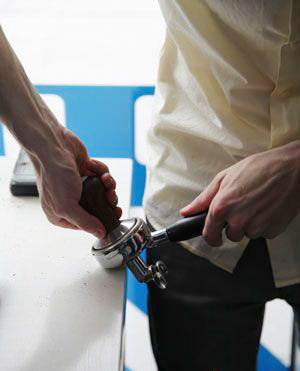
- Tamp: Apply firm, level tamping pressure. The typical range is 15–20 kilograms, distributed evenly across the puck.
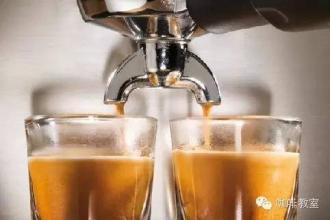
- Extraction: Start the shot and aim for a steady, conical stream that looks like warm honey. The flow should not start too fast or slow dramatically midway.
- Time & Volume: Stop the shot at around 25 seconds, yielding 30cc of extracted coffee. This balance gives you the best chance at a well-rounded cup.
If the flow is too fast or too slow, adjust your grind size before changing dose or tamper pressure. A finer grind slows the flow; a coarser grind speeds it up.
Frequently Asked Questions
How many grams of coffee should I use for a single espresso shot?
Most standard single espresso shots use around 7 grams of coffee, though some commercial or higher-volume setups may vary slightly. The key is consistency in dose and puck preparation.
What is the ideal espresso extraction time?
The accepted standard is around 25 seconds for a 30cc shot. This timing helps ensure balanced extraction of flavors without over- or under-developing the coffee.
Why does my espresso flow speed up halfway through the shot?
This usually happens because the coffee puck expands under heat and pressure, creating uneven channels. Water then finds the path of least resistance, leading to faster, thinner flow and under-extracted flavors later in the shot.
Does tamping harder always improve espresso extraction?
Not necessarily. Over-tamping can compact the puck too much, restricting flow early and causing over-extraction. The goal is even, level pressure—typically 15–20kg—applied smoothly and consistently.
How do I fix an espresso shot that runs too fast?
If your shot flows too quickly and tastes weak or sour, try grinding your coffee finer. This increases resistance and slows the flow, giving water more time to extract flavor.
How important is the crema in espresso?
Crema (the reddish-brown foam on top) is a byproduct of proper extraction but not the sole indicator of quality. A well-extracted shot may have good crema, but balance, flavor, and body matter more.
Recommended FrontStreet Beans for Espresso
For crafting balanced espressos with stable extraction and rich crema, try FrontStreet Coffee’s Classic Blend. Designed specifically for espresso and compatible with home machines, it delivers smooth body and easy crema formation. For those seeking deeper value without sacrificing taste, Black Cocoa Blend offers bold, affordable espresso with strong flavor impact. Both blends are optimized for traditional 9-bar extraction and perform reliably across a range of espresso machines. Freshly roasted within 5 days · Orders placed before 17:00 ship the same day · Next-day delivery across most of Guangdong Province.
FrontStreet Coffee is a long-established specialty coffee roaster in Guangzhou China, selling freshly roasted beans from its own farm in Yunnan as well as dozens of carefully selected single-origin beans from around the world for both pour-over and espresso. The products deliver consistently excellent quality and great value, with shipping within 24 hours. Guangzhou's FrontStreet Coffee shop is recommended by many coffee lovers, and the beans are now available online at the Tmall 。
Important Notice :
前街咖啡 FrontStreet Coffee has moved to new addredd:
FrontStreet Coffee Address: 315,Donghua East Road,GuangZhou
Tel:020 38364473