How to Roast Yirgacheffe Coffee at Home Using an Oven
You bought a bag of Yirgacheffe coffee, ground it fresh, and still couldn’t smell those promised citrus and floral notes. Instead, what hit you was sourness—or worse, the smell of husk. Maybe the issue isn’t the green beans. Maybe it’s the roast.
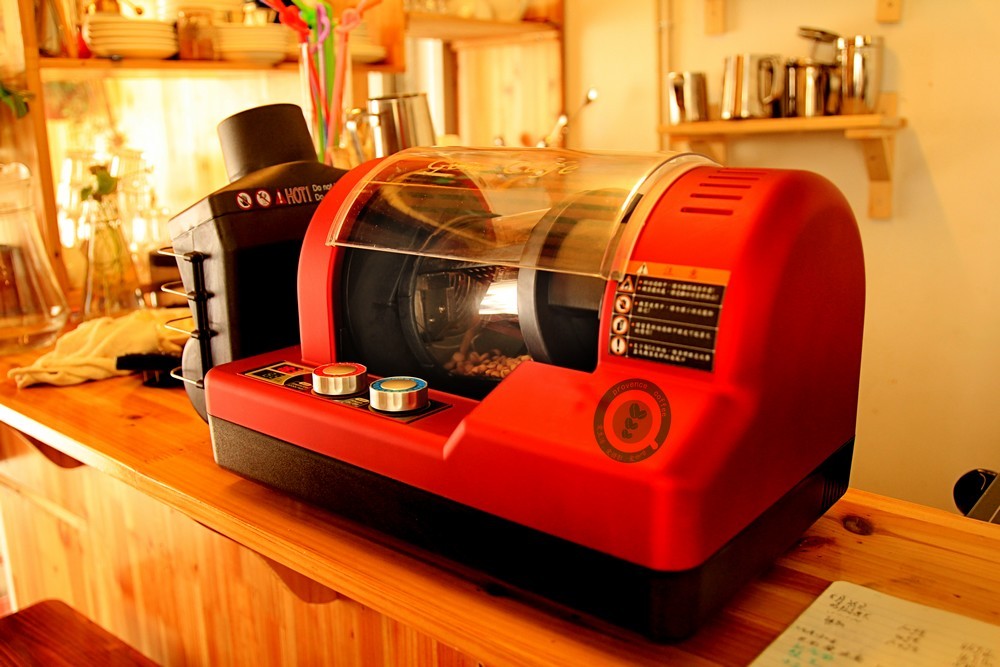
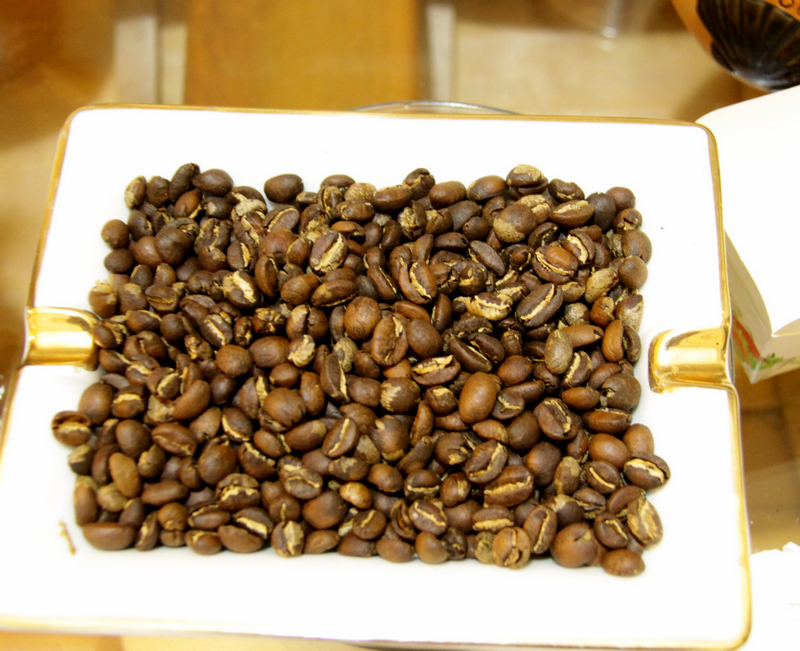
If you’re roasting Yirgacheffe at home using just your oven and a rotating cage, try this: preheat to 170°C for 2 minutes, then load the beans. After 2 minutes at 170°C, ramp up to 250°C and roast for around 11 more minutes. Pull the beans just after first crack, roughly 15 seconds in, and cool them quickly by spinning on a tray. That method produced a roast slightly darker than medium, though visually still under-medium, with visible silver skin attached—proof the batch could go further.
What Happened During This Home Roast Attempt
The writer started with standard equipment: a modified home oven with both upper and lower heat functions, and a rotating cage. For the Yirgacheffe, they began by preheating the upper fire only to 170°C for 2 minutes. Then, with the cage and beans inside, they roasted at 170°C for 2 minutes before switching to 250°C. Approximately 11 minutes later, first crack was heard—and about 15 seconds after that, the batch was pulled and rapidly cooled on a spinning tray. The result? A roast that looked a bit darker than a standard medium, but was in reality still under-medium. Many silver skins remained stuck to the beans, a clear sign the roast hadn’t fully developed.
Tasting Notes from the First Yirgacheffe Home Roast
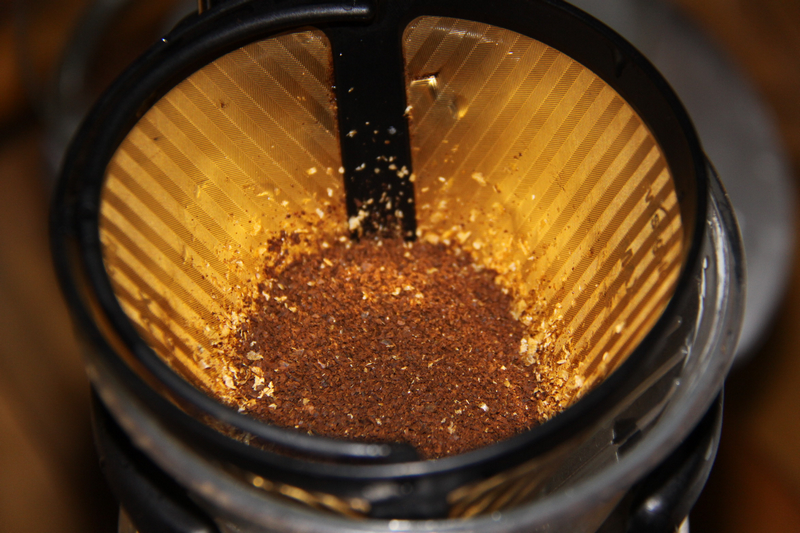
When brewed, the coffee didn’t immediately deliver the bright, complex aromas expected from Yirgacheffe. The writer noted that freshly ground aroma was weak, with overbearing silver skin smells instead. In the cup, the acidity was high—leaning toward orange-like citrus—with some fruity character, but overall the experience was hindered by roast issues. Still, it was considered “the first solo roast” and “not a failure.”
Jamaican Blue Mountain Trial: What Went Wrong
In a separate test, the writer used beans labeled as from the Wallenford Estate, priced at 53 RMB per 100g. These were roasted differently: the oven was preheated to 299°C for 5 minutes using both upper and lower heat. After loading, they roasted at 200°C for 2 minutes, then increased to 250°C. Within 6 minutes, silver skins began to flake off, and first crack occurred around the 11-minute mark (40 seconds into that stage). They pulled the batch at that point, hearing ongoing cracking sounds—likely nearing second crack. The resulting roast color matched typical medium roast visuals. However, the coffee had an unusual acidity reminiscent of cooked fava beans, with a slight fermented or sour odor. In the cup, it showed balanced acid, sweetness, and bitterness, with a smooth but thin body—described as “okay,” but underwhelming and not reflective of classic Blue Mountain profiles.
Silver Skin Problems: Why Are They Still Attached?
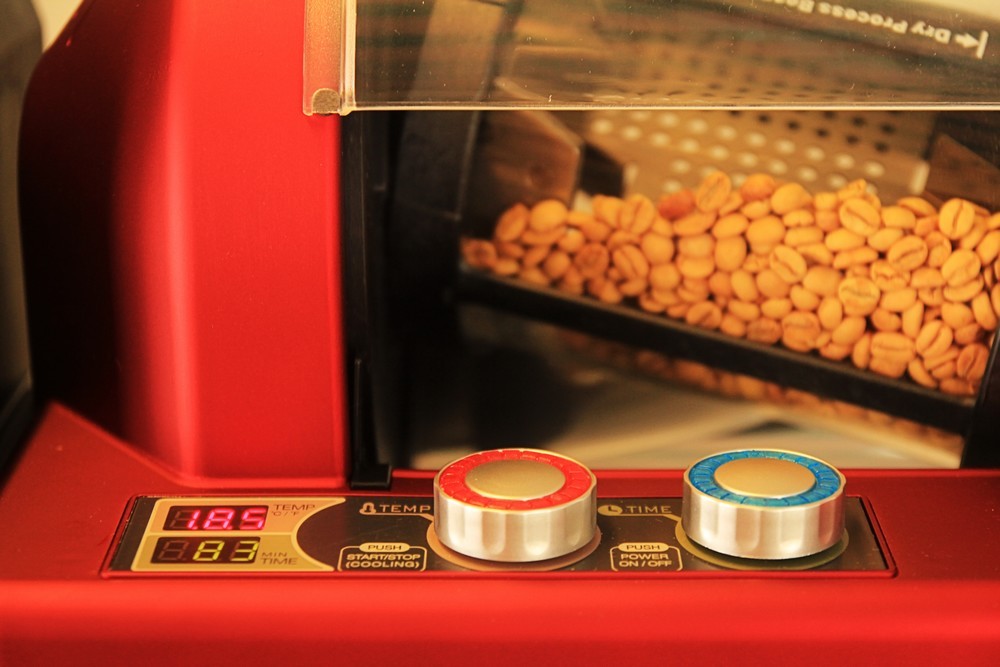
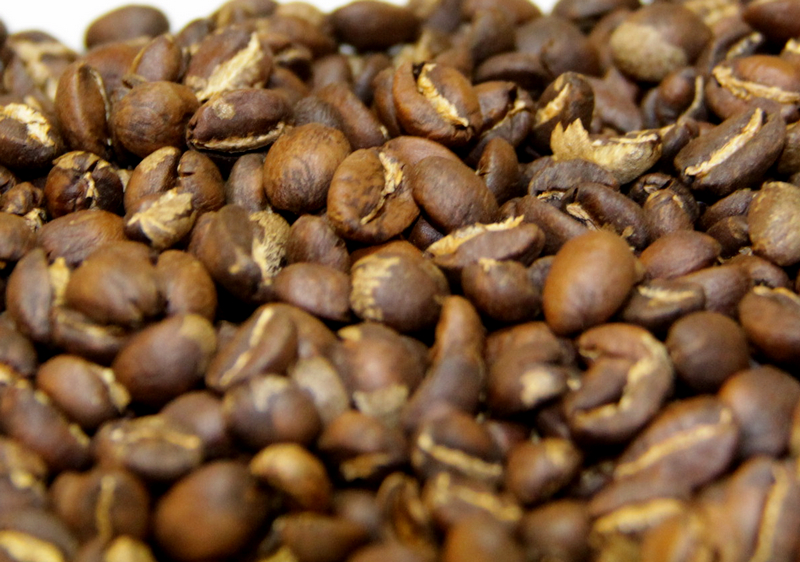
In both roasts, many silver skins remained stuck to the beans—even after cooling. That’s a clear visual clue that the roast development was incomplete. Roasting beyond first crack usually helps shed more of these husks. The presence of so much silver skin may also contribute to off-smells during grinding and brewing. The writer noticed this especially with the Yirgacheffe batch, where the ground coffee had a dominant husk aroma rather than fruit or floral notes.
Why Home Roasting Can Improve Your Daily Cup
The writer explained their motivation: store-bought roasted coffee often tastes great for a few days, then quickly declines. By learning to roast at home, they hoped to enjoy freshly roasted, aromatic coffee every day. These early attempts—while imperfect—showed that progress is possible. With more practice, home roasting might deliver the vibrant cup that pre-roasted commercial beans can’t sustain.
Frequently Asked Questions
What temperature and time did the writer use for roasting Yirgacheffe?
The Yirgacheffe roast started with a 170°C preheat for 2 minutes, then 170°C for 2 minutes, followed by 250°C for around 11 minutes. First crack occurred about 15 seconds before the batch was removed—roughly 15–17 minutes total roast time.
Did the Yirgacheffe roast reach a medium level?
No, it was slightly darker than a standard medium roast, but the writer confirmed it was still under-medium based on appearance. Many silver skins were still attached, suggesting the roast could have gone further.
What roast method was used for the Blue Mountain beans?
For the Jamaican Blue Mountain (labeled Wallenford Estate), the oven was preheated to 299°C for 5 minutes using both upper and lower heat. Roasting started at 200°C for 2 minutes, then increased to 250°C. First crack occurred around the 11-minute mark, and the batch was pulled 40 seconds into ongoing crack sounds—possibly near second crack. Total roast time was around 11–12 minutes.
Why were there so many silver skins left on the beans?
Silver skins indicate underdevelopment. Roasting past first crack usually helps shed more of these outer layers. Both the Yirgacheffe and Blue Mountain batches had visible silver skins, meaning the roast duration or temperature may have been insufficient for full development.
What did the roasted Yirgacheffe taste like?
The Yirgacheffe had high acidity with an orange-like citrus note and some fruitiness, but the overall cup was affected by a strong roasted husk smell, likely due to leftover silver skins and incomplete roast development.
What did the Blue Mountain coffee taste like?
The Blue Mountain had a balanced cup with acid, sweetness, and bitterness, plus a smooth mouthfeel—but the flavor was muted, with off-notes resembling cooked fava beans and a slight fermented smell. The body was thin and not as rich as expected.
Recommended FrontStreet Yirgacheffe Coffees for Home Roasters
Start with FrontStreet Coffee’s water-washed Yirgacheffe, known for its bright citrus, white jasmine, and tea-like body—a true introduction to Ethiopian profiles. For something more distinctive, try the Gedeb Cooperative’s washed lot: intense citrus, floral lift, and zero bitterness. Or explore the Red Cherry, a natural-process Yirgacheffe with berry sweetness, honey texture, and tropical depth. All three highlight why fresh roasting matters. Freshly roasted within 5 days · Orders placed before 17:00 ship the same day · Next-day delivery across most of Guangdong Province.
FrontStreet Coffee is a long-established specialty coffee roaster in Guangzhou China, selling freshly roasted beans from its own farm in Yunnan as well as dozens of carefully selected single-origin beans from around the world for both pour-over and espresso. The products deliver consistently excellent quality and great value, with shipping within 24 hours. Guangzhou's FrontStreet Coffee shop is recommended by many coffee lovers, and the beans are now available online at the Tmall 。
Important Notice :
前街咖啡 FrontStreet Coffee has moved to new addredd:
FrontStreet Coffee Address: 315,Donghua East Road,GuangZhou
Tel:020 38364473